How Do Metabolism Support Supplements Actually Work? Mechanisms, Evidence, and What the Marketing Skips
Updated September 18, 2026 · By Theo Marchetti
The Short Answer
Metabolism support supplements cannot overcome a caloric surplus or replace basic lifestyle fundamentals. When properly formulated, specific bioactives—such as green tea catechins (EGCG), berberine, and capsaicin—can modestly increase resting energy expenditure and support cellular insulin sensitivity via the AMPK pathway. However, most retail supplements dilute these compounds into tiny proprietary blends at fractions of the dosages evaluated in peer-reviewed clinical trials, and claims of 'natural GLP-1 activation' lack scientific backing.
1. The Energetics of Metabolism: What Actually Drives Calorie Burn
To separate realistic supplement mechanisms from marketing exaggerations, it helps to understand how human energy expenditure is distributed across a typical 24-hour cycle. Total Daily Energy Expenditure (TDEE) is divided into three distinct biological components:
- Basal Metabolic Rate (BMR): Accounting for 60% to 70% of daily calorie consumption, BMR reflects the baseline energy required to sustain vital involuntary functions—cellular ion pumps, mitochondrial respiration, liver protein synthesis, cardiovascular work, and renal filtration.
- Thermic Effect of Food (TEF): Comprising approximately 8% to 10% of expenditure, TEF represents the metabolic cost of digesting, absorbing, and metabolizing macronutrients (with protein demanding substantially more energy to process than fats or simple carbohydrates).
- Activity Thermogenesis (EAT & NEAT): Exercise Activity Thermogenesis (intentional workouts) and Non-Exercise Activity Thermogenesis (fidgeting, walking, postural maintenance) account for the remaining 15% to 30% of daily calorie expenditure.
Commercial marketing often suggests that dietary supplements can "supercharge" or "double" your metabolic rate. In reality, human metabolic machinery is tightly regulated by the thyroid, neuroendocrine signaling, and mitochondrial feedback loops designed to conserve energy against starvation. Any safe dietary compound works strictly on the margins, influencing cellular signaling pathways by single-digit percentages.
2. Three Legitimate Biochemical Pathways in Metabolic Supplements
When you strip away hyperbolic sales copy, peer-reviewed clinical research identifies three legitimate cellular mechanisms through which dietary nutrients can influence energy metabolism and body composition:
AMPK Activation & Cellular Glucose Clearance
Adenosine monophosphate-activated protein kinase (AMPK) functions as the central energy sensor inside mammalian cells. When cellular energy is low, AMPK stimulates glucose uptake and fatty acid oxidation while down-regulating lipid and cholesterol synthesis. Botanical compounds like berberine activate AMPK in skeletal muscle and adipose tissue, enhancing insulin-mediated glucose disposal independent of extra insulin secretion, as demonstrated in clinical research published in Metabolism (Yin et al.). Minerals like chromium picolinate work adjacent to this pathway by potentiating insulin receptor kinase activity.
Beta-Adrenergic Stimulation & Lipolysis
Certain bioactives influence the sympathetic nervous system to stimulate intracellular lipolysis—the enzymatic breakdown of stored triglycerides into free fatty acids. Green Tea Extract standardized for epigallocatechin gallate (EGCG) inhibits catechol-O-methyltransferase (COMT), the enzyme that degrades norepinephrine. By prolonging norepinephrine signaling at beta-adrenergic receptors, EGCG promotes elevated resting energy expenditure and fat oxidation, as documented in trials by Dulloo et al. in the American Journal of Clinical Nutrition. Concurrently, botanical extracts like Coleus forskohlii directly stimulate adenylate cyclase, elevating cyclic adenosine monophosphate (cAMP) levels in fat cells.
Transient Thermogenic Uncoupling (TRPV1 Activation)
Pungent botanicals such as capsaicin and cayenne pepper extract bind to transient receptor potential vanilloid 1 (TRPV1) sensory receptors in the oral cavity and gastrointestinal tract. This triggers sympathetic nerve activity that stimulates mitochondrial uncoupling protein-1 (UCP1) in brown and beige adipose tissue, temporarily dissipating chemical energy as heat rather than storing it as ATP. Systematic reviews in Appetite (Whiting et al.) note that capsaicinoids can induce a modest increase in postprandial thermogenesis of around 50 kcal per day.
3. The Clinical Dose Gap & The 'Natural GLP-1' Marketing Fallacy
If the biochemical literature confirms these mechanisms exist, why do real-world consumer experiences with weight-loss supplements remain overwhelmingly underwhelming? Two core problems explain the disconnect:
The Clinical Dose Arithmetic
Peer-reviewed human trials that recorded measurable improvements in metabolic parameters consistently administered substantial, specific ingredient quantities:
- Berberine HCl: Efficacious trials for glucose metabolism and insulin sensitivity universally utilize 1,000 mg to 1,500 mg per day, split across multiple meals.
- Green Tea Extract (EGCG): Meaningful thermogenic increases require standardized preparations providing 400 mg to 500 mg of pure EGCG daily.
- Coleus Forskohlii (Forskolin): Clinical body-composition research relies on 500 mg per day of an extract standardized to 10% forskolin (50 mg active forskolin).
- African Mango Seed (IGOB131): Double-blind trials evaluated 150 mg twice daily (300 mg total) of the patented extract.
- Capsaicinoids: Controlled thermogenic studies utilize 2 mg to 6 mg of active capsaicinoids, requiring specialized enteric delivery to prevent stomach distress.
Now consider standard supplement packaging. Many retail products group seven, eight, or nine ingredients into a single proprietary blend of just 200 mg to 500 mg total per serving. When nine distinct botanicals share a 200 mg capsule or liquid dropper, basic arithmetic proves that each compound cannot exceed 20 to 30 mg—less than 5% of the dose proven effective in published medical literature.
The "Natural GLP-1 / OTC Ozempic" Deception
A recent trend across direct-to-consumer advertising is framing non-prescription herbal blends as "natural GLP-1 activators" or "over-the-counter alternatives to injectable peptide drugs." While nutrient ingestion naturally stimulates endogenous gastrointestinal hormones (such as GLP-1, PYY, and CCK) in small pulses to signal satiety, no dietary supplement comes close to replicating the pharmacological receptor occupancy or prolonged half-life of synthetic GLP-1 receptor agonists. Marketing proprietary botanical drops as GLP-1 mimics is fundamentally misleading and unsupported by clinical evidence.
4. Who May Benefit, Who Should Pass, and Marketing Red Flags
Approaching metabolic supplements with clinical realism protects both your health and your wallet.
Who May Benefit
- Individuals who already maintain an intentional caloric deficit through whole-food nutrition and consistent physical training, seeking an incremental edge in daily energy and focus.
- Those seeking gentle blood-glucose support alongside balanced meals who select formulas providing transparent, clinical doses of compounds like berberine or chromium.
- Consumers who understand that nutritional supplements operate as subtle metabolic modulators (offering a 50–100 kcal daily differential), rather than standalone fat-loss drivers.
Who Should Pass & Seek Medical Guidance
- Anyone experiencing unexplained rapid weight gain or profound fatigue. These symptoms warrant a physician-supervised endocrine panel to evaluate thyroid function (TSH, free T3/T4), cortisol rhythms, or insulin resistance.
- Individuals taking prescription medications for diabetes, hypoglycemia, or cardiovascular conditions. Bioactives that lower blood sugar or alter adrenergic tone can cause adverse drug-herb interactions.
- Pregnant or nursing women, for whom thermogenic compounds and systemic metabolic stimulants are contraindicated.
Marketing Red Flags to Watch For
Steer clear of brands employing predatory marketing tactics: fake celebrity endorsements, countdown timers threatening immediate price hikes, claims of "melting 2 pounds of stubborn fat per day without exercise," or refusal to disclose individual ingredient milligram amounts on the supplement facts label. To explore our rigorous evaluations of specific formulas, visit our Metabolism Support Category Hub.
The Honest Bottom Line
Metabolism support supplements are neither effortless fat-burners nor complete placebos—they are targeted nutritional adjuncts with modest biological effects that are frequently distorted by aggressive marketing. Under rigorous clinical conditions, evidence-backed compounds can increase resting daily expenditure by roughly 50 to 100 kilocalories or assist cellular glucose disposal. That represents a 3% to 5% metabolic shift—helpful as a tailwind when diet, resistance training, and sleep are dialed in, but insufficient to produce meaningful weight reduction in isolation.
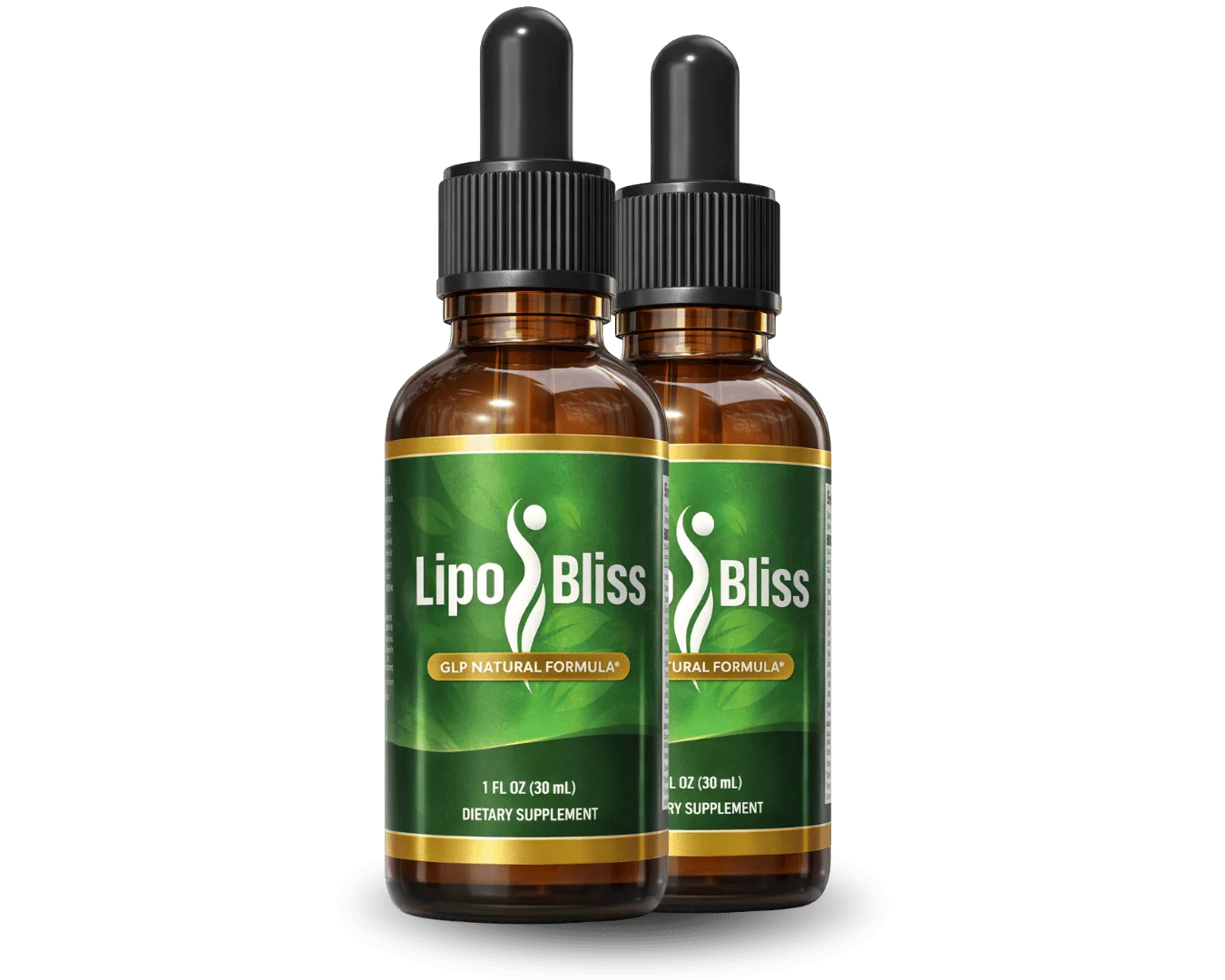
The major dividing line in this category is dosage and transparency. When a commercial brand compresses six to nine botanicals into a 200 mg or 500 mg proprietary blend—such as the formula we examined in our LipoBliss Review—active ingredients are present in microdoses incapable of eliciting the physiological responses seen in published trials. If you choose to explore a metabolic support formula, seek out full label disclosure, ensure individual bioactives approach tested study benchmarks, and view the product solely as secondary support alongside sustainable nutritional habits.
Frequently Asked Questions
Can a metabolism supplement cause weight loss without changes to diet or exercise?
No. Fundamental thermodynamic laws govern human body weight. While evidence-based thermogenic and metabolic compounds can increase resting energy expenditure by approximately 50 to 100 kilocalories per day under optimal conditions, this modest expenditure is easily negated by a single snack or minor caloric inaccuracy. Supplements can serve as a supportive adjunct to an established caloric deficit, but they cannot produce fat loss in the presence of an energy surplus.
Are herbal metabolism drops truly 'natural GLP-1' alternatives?
No. Prescription GLP-1 receptor agonists are synthetic peptide analogs engineered for high receptor affinity and multi-day half-lives. While eating dietary protein, fiber, or certain bitter phytochemicals triggers modest, transient endogenous GLP-1 release as part of normal digestion, no dietary supplement mimics the systemic potency, appetite suppression, or pharmacological kinetics of prescription GLP-1 drugs. Such claims in online advertising represent marketing hyperbole rather than clinical reality.
What is the difference between stimulant and non-stimulant metabolism formulas?
Stimulant-based thermogenics rely primarily on high doses of caffeine anhydrous, guarana, or synephrine to trigger acute sympathetic nervous system release of epinephrine and norepinephrine. While they temporarily elevate heart rate and alertness, they often cause jitteriness, elevated blood pressure, and sleep architecture disruption. Non-stimulant formulas focus instead on cellular pathways like AMPK activation (berberine), insulin sensitization (chromium, cinnamon), or mitochondrial fatty acid transport (L-carnitine) without central nervous system overstimulation.
How long does it take to see if a metabolism supplement is working?
Immediate sensations from stimulant ingredients (such as warmth or increased alertness) can occur within 30 to 60 minutes, but true metabolic and glycemic adaptations require 8 to 12 weeks of consistent daily administration. Studies evaluating berberine, green tea catechins, or chromium assess biomarkers after at least two to three months alongside standardized lifestyle conditions.

Theo covers Weight Management supplements for NutrasInsights, checking label doses against the published research before any product earns a recommendation.