News & Trends
Why the products we review are trending — market context, seasonality and demand, newest first.
News & Trends

Cognitive Health Trends 2026: The Nootropic Boom, Proprietary Blend Math, and Why Dose Transparency Matters More Than Ever
Industry and consumer analysis of 2026 cognitive health supplement trends: the nootropic market's projected growth to $14.8B by 2034, how Bacopa monnieri's genuine clinical evidence (300 mg/day for memory free recall) is undercut by proprietary blends delivering a fraction of studied doses, why Lion's Mane (Hericium erinaceus) clinical trials are still catching up to marketing claims, the structural impossibility of fitting clinical nootropic doses into a 151 mg proprietary blend, and what transparent labeling reveals about the gap between cognitive supplement marketing and delivered efficacy across the memory-support and nootropic-formulas categories.

Energy & Vitality Trends 2026: The Adaptogen Surge, the NAD+ Gamble, and Why Clinical Doses Still Don't Fit in a Gummy
Industry and consumer analysis of 2026 energy and vitality supplement trends across the U.S., U.K., Germany, and France. Covers the adaptogen mainstreaming wave (ashwagandha, rhodiola, cordyceps), why NAD+ precursors like NMN shifted marketing from longevity to daily energy despite thin human evidence, how the caffeine-alternatives segment (projected USD 5.4 billion by 2031) reflects genuine consumer demand for jitter-free energy but often repackages under-dosed botanicals, and the post-pandemic emergence of respiratory-support as an energy subcategory. Documents the structural dosing gap in gummy formats for adaptogen ingredients, maps clinical dose thresholds from systematic reviews and meta-analyses, and explains why the energy supplement market (USD 48.3 billion in 2026) rewards marketing velocity over evidence depth.
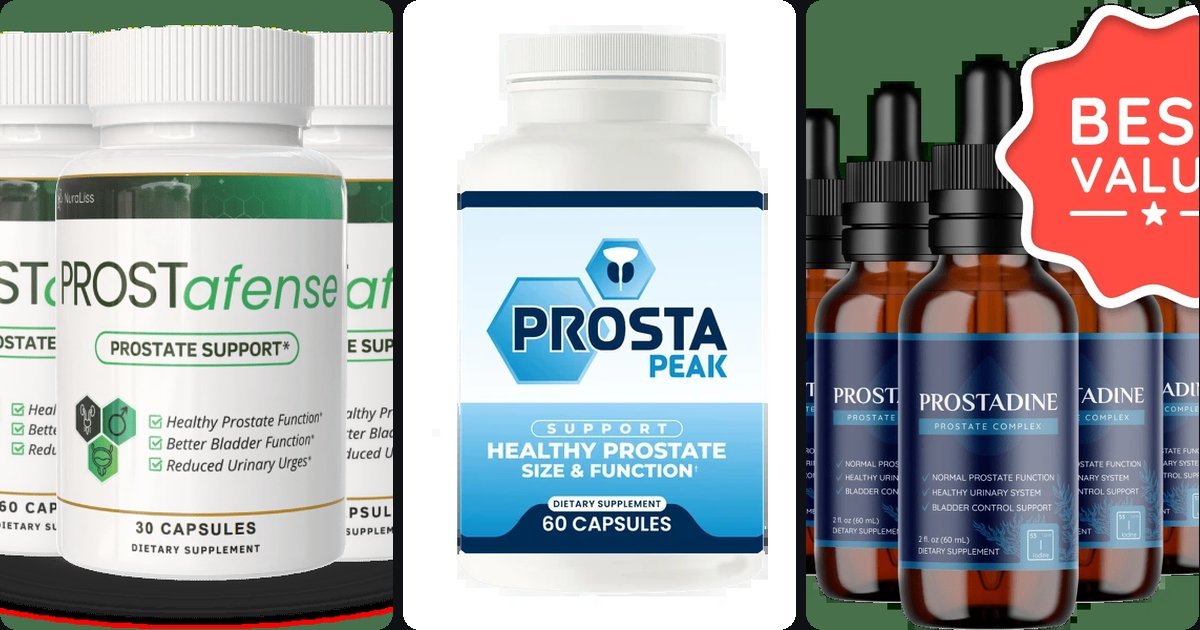
Men's Health Trends 2026: Why the Prostate Supplement Boom Outpaced the Evidence — and What Buyers Should Check First
Analysis of 2026 men's health supplement trends: prostate support formulas are the fastest-growing subcategory in the U.S. urology supplements market (USD 843 million in 2025, projected USD 893 million in 2026), driven by aging demographics — benign prostatic changes affect roughly 50% of men by age 60 and over 80% by age 70. Three independently reviewed products (ProstaFense, ProstaPeak, Prostadine) illustrate the category's structural transparency problem: all use proprietary blends that prevent dose verification against clinical evidence. Saw palmetto (the category's anchor ingredient) showed benefit in early meta-analyses but the 2023 Cochrane update found no significant advantage over placebo for IPSS scores. Beta-sitosterol (60–130 mg/day) and pygeum bark (100–200 mg/day) retain stronger evidence from systematic reviews, but both require disclosed doses to verify. The article maps ingredient-level evidence thresholds, explains why multi-ingredient proprietary blends structurally prevent verification, and directs readers to dose-verified reviews of each formula.
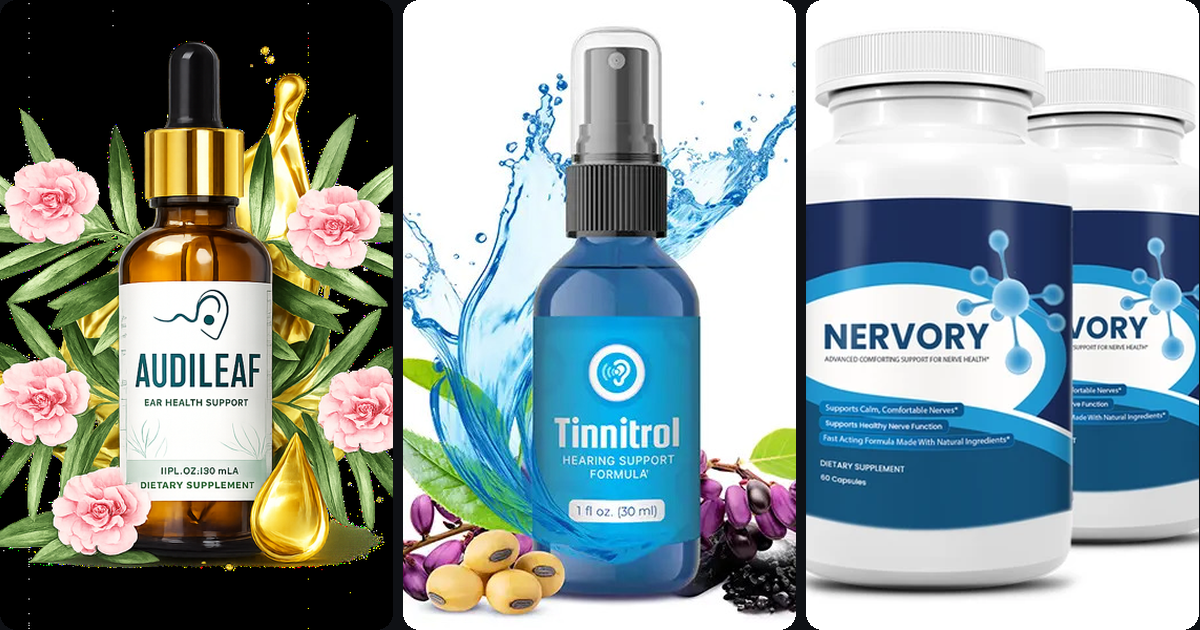
Sensory Health Trends 2026: Why Hearing and Nerve Supplements Are Booming — and What the Labels Still Don’t Show
Cross-cluster analysis of 2026 sensory health supplement trends spanning hearing support (AudiLeaf, Tinnitrol, ZenCortex) and nerve support (NervoLyn, Nervory): how WHO’s 1.5-billion hearing-loss estimate, earphone-driven noise exposure in young adults, and viral ‘red pepper seed hack’ social media trends are driving consumer demand for sensory supplements; why proprietary blends compressing 9–14+ ingredients into 200 mg total doses cannot deliver clinically studied amounts of grape seed extract, ginkgo biloba, alpha-lipoic acid (600 mg/day), or passionflower; and how the one transparent formula in the nerve cluster (Nervory, fully disclosed doses) contrasts with the category norm of undisclosed proprietary blends.

Metabolic Health Trends 2026: How Continuous Glucose Monitors Made Blood Sugar Mainstream — and Why Most Supplements Still Underdeliver
Analysis of 2026 metabolic health supplement trends: how over-the-counter continuous glucose monitors (Abbott Lingo, Dexcom Stelo, cleared for non-diabetic use starting 2024) mainstreamed consumer interest in glucose spikes and insulin resistance beyond the diagnosed-diabetic population, driving demand for blood-sugar-support supplements; why proprietary-blend formulas in the blood-sugar-support cluster — Gluco Recover (7 mcg chromium picolinate plus a 200 mg undisclosed 8-herb blend) and GlucoArmor (17+ ingredients in a fully undisclosed proprietary blend) — cannot deliver clinically studied doses of berberine (500-1,500 mg/day), chromium picolinate (200-1,000 mcg/day), or cinnamon bark extract (120-6,000 mg/day depending on form); and why 'natural metformin' and 'reverse diabetes' marketing claims misrepresent the underlying evidence.
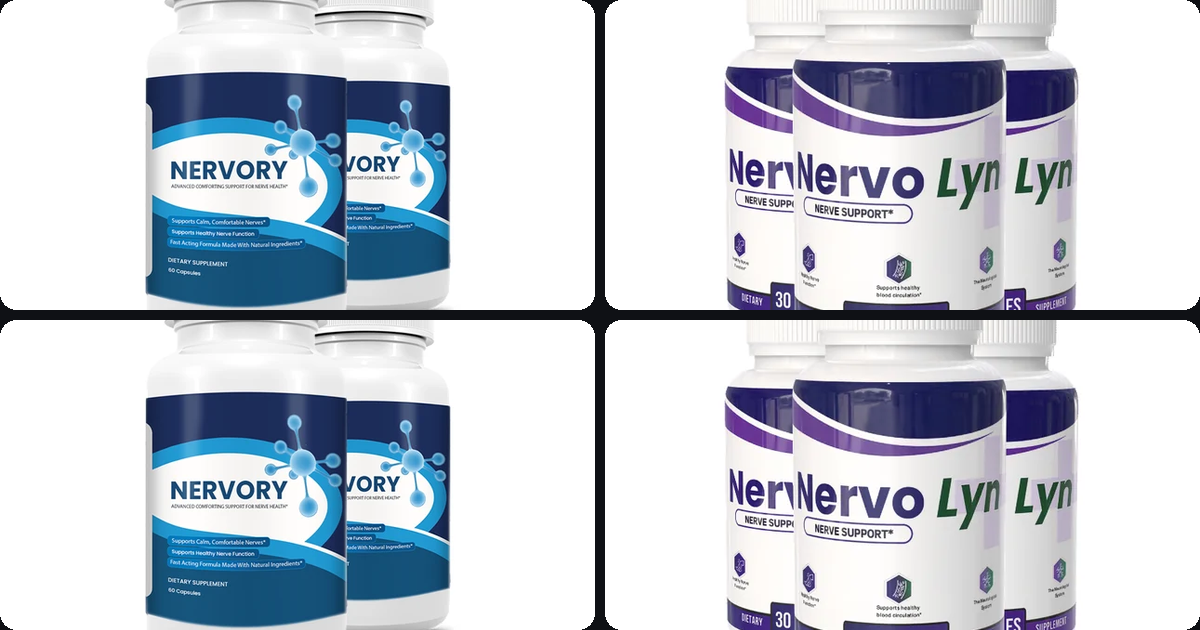
Joint & Nerve Mobility Trends 2026: Why Formulas Are Ditching Generic Glucosamine for Neuro-Vascular Support
Industry and consumer analysis on 2026 joint mobility trends: why supplement formulators are moving beyond generic glucosamine to target microvascular health (vasa nervorum), sensory nerve pathways, and transparent dosing.