Metabolic Health Trends 2026: How Continuous Glucose Monitors Made Blood Sugar Mainstream — and Why Most Supplements Still Underdeliver
Published September 28, 2026 · By Owen Fitzgerald
At a Glance
Over-the-counter continuous glucose monitors reached the general wellness market starting in 2024, and by 2026 "glucose spikes" had become a mainstream health topic far beyond the diagnosed-diabetic population that used to be the only audience for blood sugar supplements. Demand for blood-sugar-support formulas has followed — but the products absorbing that demand, including two we've independently reviewed this year, still lean on undisclosed proprietary blends that cannot deliver ingredient doses anywhere near what the clinical research requires.
1. The CGM Effect: How a Medical Device Created a Wellness Category
Continuous glucose monitors (CGMs) were, until recently, a prescription tool for managing diagnosed diabetes. That changed when Abbott's Lingo and Dexcom's Stelo received FDA clearance for over-the-counter sale to adults without diabetes starting in 2024 — no prescription, no doctor's visit, just a sensor patch and a smartphone app showing a live glucose graph.
The downstream effect on consumer behavior has been significant. People who had never thought about their blood sugar outside of an annual physical started watching real-time graphs spike after a bowl of pasta or a soda. Terms like "glucose spike," "metabolic flexibility," and "insulin resistance" moved from endocrinology textbooks into everyday wellness vocabulary — the same trajectory "gut health" and "cortisol" took in prior years.
This matters for the supplement market because it created an entirely new buyer: not the person managing type 2 diabetes with a physician, but the metabolically healthy adult who saw one worrying spike on a CGM graph and started searching for something to "flatten" it. That searcher is the target audience for the blood-sugar-support formulas now flooding affiliate networks — and, critically, they are far less likely to have a clinician checking the label math before they buy.
2. What We Found When We Checked the Label Math
Our blood-sugar-support cluster now includes two independently reviewed formulas riding this demand, and both illustrate the same structural problem from different angles.
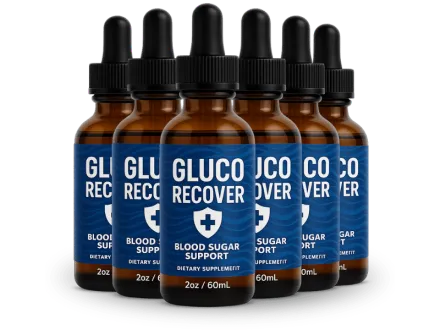
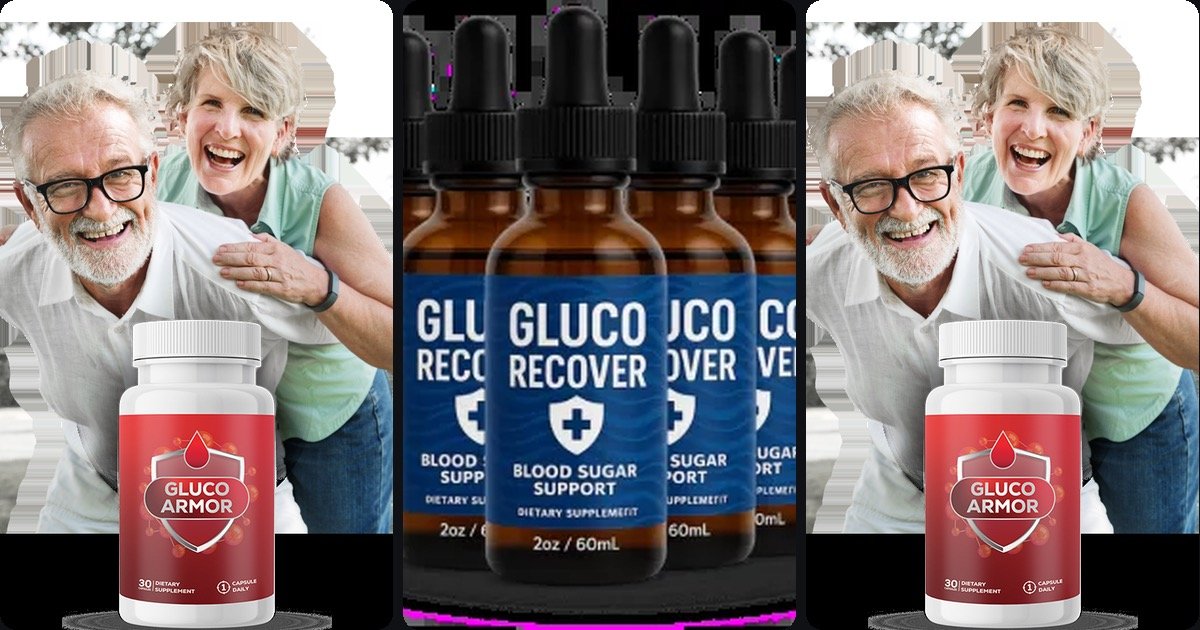
Gluco Recover is a liquid dropper formula whose only disclosed dose — 7 mcg of chromium picolinate — sits 96–99% below the 200–1,000 mcg/day range used in clinical trials. The remaining eight botanicals (gymnema sylvestre, coleus forskohlii, cayenne pepper, ginseng, maca, green tea, astragalus, and L-carnitine) are compressed into a 200 mg proprietary blend with no individual doses disclosed, making it mathematically impossible for most of them to be present in a clinically relevant amount.
GlucoArmor takes the opposite marketing approach — leading with ingredient count rather than a single flashy compound, listing 17-plus ingredients including gymnema sylvestre, cinnamon bark, alpha-lipoic acid, chromium, banaba leaf, bitter melon, and white mulberry. But every one of those ingredients sits inside an undisclosed proprietary blend, which means the impressive ingredient list tells a buyer nothing about whether any single compound reaches a dose with clinical backing.
Neither formula is dishonest about what it contains. Both are structured in a way that makes it impossible to verify whether what they contain is present in a meaningful amount — and that distinction is exactly what a CGM-primed buyer, unfamiliar with supplement label conventions, is least equipped to catch.
3. The "Natural Metformin" Marketing Fallacy Hasn't Gone Away
The mainstreaming of glucose literacy has an unwelcome side effect: it gives "natural metformin" and "reverse insulin resistance" marketing language a more sophisticated-sounding audience to land with. Berberine is the compound most often positioned this way, and the comparison is not entirely invented — a landmark trial published in Metabolism (Yin et al., 2008) found that berberine at 1,500 mg/day reduced fasting blood glucose by 25.9% in newly diagnosed type 2 diabetes patients, a result in the range of metformin at a comparable dose.
What the marketing omits is the dose. That trial used 1,500 mg/day of pharmaceutical-grade berberine under clinical supervision. An umbrella meta-analysis by Asbaghi et al. (2023) confirmed the glycemic benefit across multiple systematic reviews, but consistently at doses in the 500–1,500 mg/day range. Neither Gluco Recover nor GlucoArmor discloses a berberine-comparable dose anywhere near that range — GlucoArmor doesn't disclose one at all, since berberine isn't even part of its list, and formulas across this category that do include it typically deliver a small fraction of the studied amount inside a shared proprietary blend.
No dietary supplement reverses type 2 diabetes or is a substitute for metformin, insulin, or physician-supervised care. That claim violates FDA structure/function guidelines regardless of how convincing the underlying mechanism sounds.
4. What the Evidence Actually Supports, at What Dose
Underneath the marketing noise, several compounds in this category do have genuine clinical support — when dosed adequately:
- Chromium picolinate: Trials use 200–1,000 mcg/day. A 2015 meta-analysis found modest fasting-glucose improvement in that range, though effects on HbA1c were inconsistent across studies.
- Cinnamon bark extract: A 2023 dose-response meta-analysis (Jamali et al.) found the clearest fasting-glucose and HbA1c benefits above 1,500 mg/day for whole powder, or from roughly 120 mg/day for concentrated standardized extracts.
- Alpha-lipoic acid: Studied at 300–1,800 mg/day for metabolic endpoints, with a 2020 dose-response meta-analysis confirming dose-dependent effects on cardiometabolic markers.
- Banaba leaf extract (corosolic acid): Early-stage evidence suggests a glucose-lowering effect through GLUT4 activation, though most trials remain small and short-term.
The pattern holds across the category: the biochemistry is real, but it only shows up at doses that a 200 mg proprietary blend, split among seven or eight ingredients, cannot physically contain. For the full mechanistic breakdown of how these pathways work, see our Blood Sugar Support Explained guide.
5. What This Means for Buyers Coming from a CGM
If a glucose graph is what brought you to this category in 2026, three things will protect you from the widest gap between marketing and evidence:
- A CGM spike is not a diagnosis. A single post-meal glucose spike in a metabolically healthy adult is a normal physiological response, not evidence of insulin resistance requiring supplementation. Talk to a physician before treating a wellness-app graph as a medical finding.
- Check the label math before the ingredient list. A long ingredient list inside an undisclosed proprietary blend, like GlucoArmor's, tells you nothing about dose. A single disclosed dose that is still far below the clinical range, like Gluco Recover's 7 mcg of chromium, tells you the formula was not built to match the research it implicitly references.
- Treat "natural metformin" language as a red flag, not a selling point. The mechanistic overlap between berberine and metformin is real; the equivalence implied by that phrase is not, especially at retail doses.
For independent, dose-verified reviews of specific blood-sugar-support formulas, visit our Best Blood Sugar Support Supplements 2026 and the individual analyses linked there.

Owen is a staff editor at NutrasInsights covering Energy & Vitality and Metabolic Health supplements. He checks label doses against the published research before any product earns a recommendation.