How Do Blood Sugar Support Supplements Actually Work? Mechanisms, Evidence, and What the Marketing Skips
Updated September 24, 2026 · By Theo Marchetti
The Short Answer
Blood sugar support supplements cannot replace diet, exercise, or physician-prescribed medication. When formulated at clinically studied doses, specific botanical compounds — particularly berberine, cinnamon bark extract, and chromium picolinate — can modestly improve fasting glucose and insulin sensitivity through AMPK activation, insulin receptor potentiation, and carbohydrate digestion modulation. However, most retail supplements compress five to nine ingredients into tiny proprietary blends at fractions of the doses evaluated in peer-reviewed clinical trials, and marketing claims of "natural metformin" or "reversing diabetes naturally" are dangerously misleading.
1. How Your Body Actually Regulates Blood Sugar
Before evaluating any supplement's claims, it helps to understand the biological machinery that maintains blood glucose within a narrow, tightly regulated range of approximately 70 to 100 mg/dL in healthy fasting adults.
- Insulin Secretion & Glucose Disposal: When blood glucose rises after a meal, pancreatic beta cells release insulin. Insulin binds to receptors on muscle, liver, and adipose tissue, triggering translocation of glucose transporter proteins (primarily GLUT4) to the cell surface — opening a channel that moves glucose from the bloodstream into cells for energy production or glycogen storage.
- Hepatic Gluconeogenesis: Between meals and overnight, the liver produces new glucose from amino acids, lactate, and glycerol to maintain baseline blood sugar levels. Excess hepatic glucose output is a hallmark of insulin resistance and is one of the pathways targeted by metformin.
- Peripheral Insulin Sensitivity: Skeletal muscle is responsible for roughly 80% of postprandial glucose disposal. When muscle cells become less responsive to insulin's signal (insulin resistance), glucose remains elevated in the bloodstream, forcing the pancreas to secrete progressively more insulin — a cycle that can eventually exhaust beta cell function.
- Incretin Hormones (GLP-1 & GIP): Gut-derived hormones released during food intake amplify insulin secretion and suppress glucagon. Pharmaceutical GLP-1 receptor agonists exploit this pathway at pharmacological concentrations far beyond what any food or supplement can replicate.
This multi-organ regulatory system is robust and redundant by evolutionary design. Any safe dietary compound operates within the margins of this system — modulating signaling sensitivity by single-digit percentages, not overriding fundamental endocrine architecture.
2. Four Legitimate Biochemical Pathways in Blood Sugar Supplements
When you strip away hyperbolic marketing copy, peer-reviewed research identifies four distinct cellular mechanisms through which dietary bioactives can influence glycemic parameters:
AMPK Activation & Insulin-Independent Glucose Uptake
AMP-activated protein kinase (AMPK) is the central cellular energy sensor. When activated, AMPK stimulates glucose uptake into skeletal muscle and enhances fatty acid oxidation — independent of insulin signaling. Berberine is the strongest botanical AMPK activator studied in human trials. A landmark trial published in Metabolism (Yin et al., 2008) found that berberine at 1,500 mg/day reduced fasting blood glucose by 25.9% and HbA1c from 9.5% to 7.5% in newly diagnosed type 2 diabetes patients — results comparable to metformin at the same dose. Alpha-lipoic acid also activates AMPK, though through a distinct antioxidant-mediated mechanism.
Insulin Receptor Potentiation
Chromium picolinate is a component of chromodulin, a low-molecular-weight peptide that binds to the insulin receptor and amplifies insulin signaling. In theory, supplemental chromium enhances insulin-mediated glucose disposal in individuals with suboptimal chromium status. However, meta-analyses show mixed results — a 2015 meta-analysis found modest improvement in fasting glucose at doses of 200+ mcg/day but no significant effect on HbA1c. Cinnamon bark extract also appears to enhance insulin receptor phosphorylation and GLUT4 translocation through its polyphenol content, as documented in Davis & Yokoyama's meta-analysis.
Carbohydrate Digestion Inhibition (Alpha-Glucosidase Pathway)
Some botanical compounds inhibit alpha-glucosidase and alpha-amylase — the digestive enzymes that break complex carbohydrates into absorbable glucose molecules. By slowing carbohydrate digestion, these compounds can blunt postprandial glucose spikes (the sharp rise in blood sugar after meals). Banaba leaf extract (corosolic acid) works partly through this mechanism, with early research showing it may decrease blood sugar levels through multiple pathways including GLUT4 activation. Cinnamon's procyanidins also exhibit alpha-glucosidase inhibitory activity.
Hepatic Glucose Output Reduction
Berberine has been shown to inhibit hepatic gluconeogenesis — the liver's production of new glucose — through an insulin-independent pathway. This is mechanistically similar to one of metformin's primary actions, which is likely why berberine earned the "nature's metformin" comparison. However, the magnitude and pharmacokinetics differ substantially from pharmaceutical intervention.
3. The Five Core Ingredients: What the Evidence Actually Shows
Nearly every blood sugar support supplement on the market draws from the same pool of five botanical and mineral ingredients. The clinical evidence behind each varies dramatically in quality and dose requirements:
- Berberine HCl: The strongest evidence base. Effective dose: 500–1,500 mg/day, split across meals. An umbrella meta-analysis (Asbaghi et al., 2023) confirmed improvements in fasting glucose, insulin resistance, and inflammatory markers across multiple systematic reviews. Critical context: berberine inhibits CYP450 enzymes and must not be combined with metformin or other glucose-lowering drugs without physician supervision.
- Cinnamon Bark Extract: Positive but heterogeneous evidence. A 2023 dose-response meta-analysis (Jamali et al.) found statistically significant fasting glucose and HbA1c reductions, with the clearest benefits at doses above 1,500 mg/day for whole powder, or as low as 120 mg/day for concentrated standardized extracts. The Cassia variety contains coumarin, a hepatotoxin at chronic high doses — Ceylon cinnamon is preferred for long-term use.
- Chromium Picolinate: Mixed evidence. Clinical trials use 200–1,000 mcg/day. Some studies report modest fasting glucose improvement; others show no significant effect. The Daily Value is 35 mcg — products providing 25–50 mcg deliver nutritional adequacy but fall well below therapeutic trial doses.
- Alpha-Lipoic Acid (ALA): A mitochondrial cofactor and antioxidant. Studied at 300–1,800 mg/day for metabolic endpoints. A 2020 dose-response meta-analysis confirmed dose-dependent effects on body weight and cardiometabolic markers. The most commonly studied dose for body composition is 600 mg/day.
- Banaba Leaf Extract (Corosolic Acid): Early-stage evidence. Most studies are small, short-term, or animal-model-based. The proposed mechanism (GLUT4 activation independent of insulin) is plausible but insufficiently validated in large human RCTs. Typically standardized to 1–2% corosolic acid.
4. The Clinical Dose Gap: Why Most Retail Products Underdeliver
If the biochemistry behind these ingredients is legitimate, why are real-world consumer outcomes with blood sugar support supplements so often disappointing? The answer lies in basic arithmetic:
Peer-reviewed clinical trials that recorded measurable glycemic improvements administered specific, substantial ingredient quantities:
- Berberine: 1,000–1,500 mg/day
- Cinnamon Extract: 120–6,000 mg/day (extract vs. powder)
- Chromium Picolinate: 200–1,000 mcg/day
- Alpha-Lipoic Acid: 300–1,800 mg/day
- Banaba Extract: 32–48 mg/day (standardized to 1% corosolic acid)
Now consider standard supplement packaging. Many retail formulas — including gummy-format products we have reviewed — compress three to six of these ingredients into a single serving of 100–500 mg total. When three ingredients share a 100 mg gummy, basic division proves that each compound receives 25–40 mg — representing 2% to 8% of the dose documented as effective in published trials.
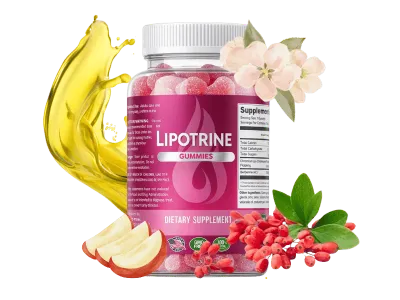
We have documented this pattern across multiple products in our metabolism-support reviews. Lipotrine, for example, transparently discloses 40 mg berberine, 28 mg cinnamon bark, and 25 mcg chromium per gummy — a fully transparent label, but every ingredient falls dramatically below studied dose ranges. Others, like LipoMeltX, refuse to disclose individual ingredient doses entirely, making dose-versus-evidence comparison impossible.
5. The "Natural Metformin" and "Reverse Diabetes" Marketing Fallacies
Two dangerous marketing trends currently pervade the blood sugar supplement space:
The "Natural Metformin" Comparison
While berberine and metformin share overlapping mechanisms (AMPK activation, hepatic gluconeogenesis inhibition), equating a dietary supplement to a pharmaceutical drug is fundamentally misleading. Metformin is a precisely dosed, extensively studied molecule with over 60 years of clinical safety data, well-characterized pharmacokinetics, and established dosing protocols supervised by physicians who monitor liver and kidney function. A retail berberine supplement — particularly one delivering 40 mg in a gummy — is not interchangeable with metformin. The Yin et al. trial that found comparable results used 1,500 mg/day of pharmaceutical-grade berberine under clinical supervision — conditions that do not apply to over-the-counter supplements purchased online.
The "Reverse Diabetes Naturally" Claim
No dietary supplement reverses type 2 diabetes. Claims to that effect violate FDA structure/function guidelines, misrepresent the chronic, progressive nature of metabolic disease, and may discourage individuals from seeking the medical care they need. Supplements that modestly support glycemic parameters in healthy individuals or those with impaired fasting glucose operate in a fundamentally different clinical context than managing diagnosed diabetes — a distinction that predatory advertising routinely erases.
6. Who May Benefit, Who Should Pass, and Marketing Red Flags
Approaching blood sugar support supplements with clinical realism protects both your health and your wallet.
Who May Benefit
- Adults with impaired fasting glucose (pre-diabetic range, 100–125 mg/dL) who are already implementing dietary and exercise modifications and want evidence-based nutritional support — under physician awareness.
- Individuals seeking specific, clinically dosed single-ingredient supplements (e.g., standalone berberine at 500 mg per capsule, two to three times daily) rather than underdosed multi-ingredient blends.
- Consumers who understand that even the best-studied compounds produce modest glycemic improvements (5%–15% fasting glucose reduction) as part of a comprehensive metabolic health strategy, not as standalone interventions.
Who Should Pass & Seek Medical Guidance
- Anyone with diagnosed type 2 diabetes who believes a supplement can replace metformin, insulin, or physician-supervised care. Self-managing diabetes with supplements risks severe complications including diabetic ketoacidosis, retinopathy, and cardiovascular events.
- Individuals taking prescription glucose-lowering medications. Bioactives like berberine, cinnamon, and chromium can potentiate hypoglycemia when combined with metformin, insulin, or sulfonylureas — drug-supplement interactions in this category are not hypothetical.
- Pregnant or nursing women, for whom most botanical glucose-lowering compounds are contraindicated due to insufficient safety data.
Marketing Red Flags to Watch For
Be immediately skeptical of supplements featuring: undisclosed ingredient doses hidden in "proprietary blends," before-and-after glucometer photos from unverified testimonials, claims of "reversing" or "curing" diabetes, fake physician endorsements with no verifiable credentials, or panic-driven urgency tactics ("only 12 bottles left at this price"). A formula that hides its milligrams is a formula that cannot withstand dose-versus-evidence scrutiny. To explore our rigorous evaluations of specific formulas, visit our Metabolism Support Category Hub and Best Metabolism Support Supplements 2026.
The Honest Bottom Line
Blood sugar support supplements occupy a narrow but real window of biological activity. When properly formulated at clinical doses, compounds like berberine, cinnamon bark extract, and alpha-lipoic acid can modestly improve fasting glucose and insulin sensitivity through well-documented cellular pathways — AMPK activation, insulin receptor potentiation, and carbohydrate digestion modulation. That represents a genuine, evidence-backed nutritional contribution.
The problem is not the science — it is the execution. The vast majority of retail blood sugar formulas compress five to nine ingredients into doses that represent single-digit percentages of what clinical trials actually used. When a gummy delivers 40 mg of berberine and the published evidence requires 500–1,500 mg, no amount of marketing sophistication bridges that 25-to-37-fold gap. If you choose to explore blood sugar support supplementation, prioritize full label transparency, verify that each ingredient approaches its studied dose range, consult your healthcare provider about drug-supplement interactions, and view the product strictly as a supporting element within diet, exercise, and — when medically indicated — pharmaceutical management.
Frequently Asked Questions
Can a blood sugar supplement replace metformin or other diabetes medications?
No. While some botanical compounds like berberine share overlapping mechanisms with metformin (AMPK activation, hepatic glucose output reduction), they are not pharmacological equivalents. Metformin has over six decades of clinical safety data, precisely characterized dose-response curves, and is administered under physician supervision with regular monitoring of kidney and liver function. No dietary supplement has been evaluated with the same rigor or regulatory oversight. Never substitute a supplement for prescribed medication without explicit physician guidance.
How much berberine per day do clinical studies actually use for blood sugar?
The most commonly studied dose range is 500 to 1,500 mg per day of Berberine HCl, typically split into two or three doses taken with meals. The landmark Yin et al. (2008) trial used 500 mg three times daily (1,500 mg/day total). An umbrella meta-analysis by Asbaghi et al. (2023) confirmed glycemic benefits across multiple reviews using this dose range. Supplements delivering substantially less than 500 mg per serving — particularly gummy formulations constrained to 40 mg — fall well below the minimum dose with published clinical evidence. See our full Berberine ingredient profile for details.
Is chromium picolinate effective for blood sugar support?
The evidence is mixed. Chromium is an essential trace mineral involved in insulin signaling, and some meta-analyses show modest improvement in fasting glucose at supplemental doses of 200–1,000 mcg per day. However, other meta-analyses — including a review of 14 RCTs — found no statistically significant effect on HbA1c. Supplements providing the Daily Value (35 mcg) ensure nutritional adequacy but deliver far less than the doses studied for therapeutic glycemic effects. Chromium picolinate is best understood as a supporting mineral, not a standalone blood sugar intervention. See our Chromium Picolinate ingredient profile.
What should I look for on a blood sugar supplement label?
Three things: (1) Full ingredient disclosure — every active ingredient listed with its individual milligram dose, not hidden in a "proprietary blend." (2) Doses that approach published clinical trial ranges for at least the primary active ingredient. (3) Identification of the extract form and standardization (e.g., "Berberine HCl 97%" or "Cinnamon Bark Extract standardized to cinnamaldehyde"). If a label compresses five or more ingredients into a combined total under 500 mg, basic arithmetic guarantees each ingredient is severely underdosed relative to the published evidence.
Can I take blood sugar supplements with diabetes medications?
Only under direct physician supervision. Berberine, cinnamon, chromium, and alpha-lipoic acid all have the potential to lower blood sugar. Combining them with insulin, metformin, sulfonylureas, or other glucose-lowering medications increases the risk of hypoglycemia — a potentially dangerous drop in blood sugar. Additionally, berberine inhibits CYP450 liver enzymes (CYP2D6, CYP2C9, CYP3A4), which can alter blood levels of many prescription medications. Always consult your healthcare provider before adding any blood sugar support supplement to an existing medication regimen.

Theo covers Weight Management supplements for NutrasInsights, checking label doses against the published research before any product earns a recommendation.