Sensory Health Trends 2026: Why Hearing and Nerve Supplements Are Booming — and What the Labels Still Don’t Show
Published October 7, 2026 · By Sophie Callahan
At a Glance
Sensory health — hearing support and nerve comfort — has become one of the fastest-growing supplement categories in 2026. An aging global population, earphone-driven noise exposure among young adults, and viral social media trends are pulling millions of new buyers into this space. But across the five formulas we’ve independently reviewed in both clusters, the same structural problem keeps appearing: proprietary blends with undisclosed doses that make it impossible to verify whether key ingredients reach the amounts studied in clinical trials.
1. The Sensory Health Boom: Aging Demographics Meet Digital Noise
The World Health Organization’s global hearing loss estimates set the context: over 1.5 billion people currently live with some degree of hearing loss, and that number is projected to reach 2.5 billion by 2050, with more than 700 million requiring rehabilitation. The WHO’s 2021 World Report on Hearing made these figures publicly visible in a way that earlier epidemiological papers never achieved — and supplement marketers noticed.
At the same time, noise-induced hearing loss is no longer an occupational hazard confined to factory workers and musicians. A 2024 cross-sectional study in young adults found that the majority of habitual earphone users showed bilateral, mild, sensorineural hearing impairment predominantly at high frequencies — the acoustic signature of chronic noise damage. A global trend analysis projecting to 2040 confirmed that hearing loss prevalence among 15–39-year-olds is rising, not plateauing.
On the nerve side, the demand driver is more diffuse: a combination of aging-population neuropathy awareness and a viral social media phenomenon — the “red pepper seed hack” — that positioned capsaicin and TRPV1 receptor activation as a breakthrough for nerve discomfort. Whether or not the underlying biochemistry is sound, the marketing language it generated pulled consumers toward a category they would not have searched for a year earlier.
The result is two historically small supplement clusters — hearing support and nerve support — now absorbing demand from a much wider audience than either was designed to serve.
2. Hearing Support: Three Formulas, One Pattern
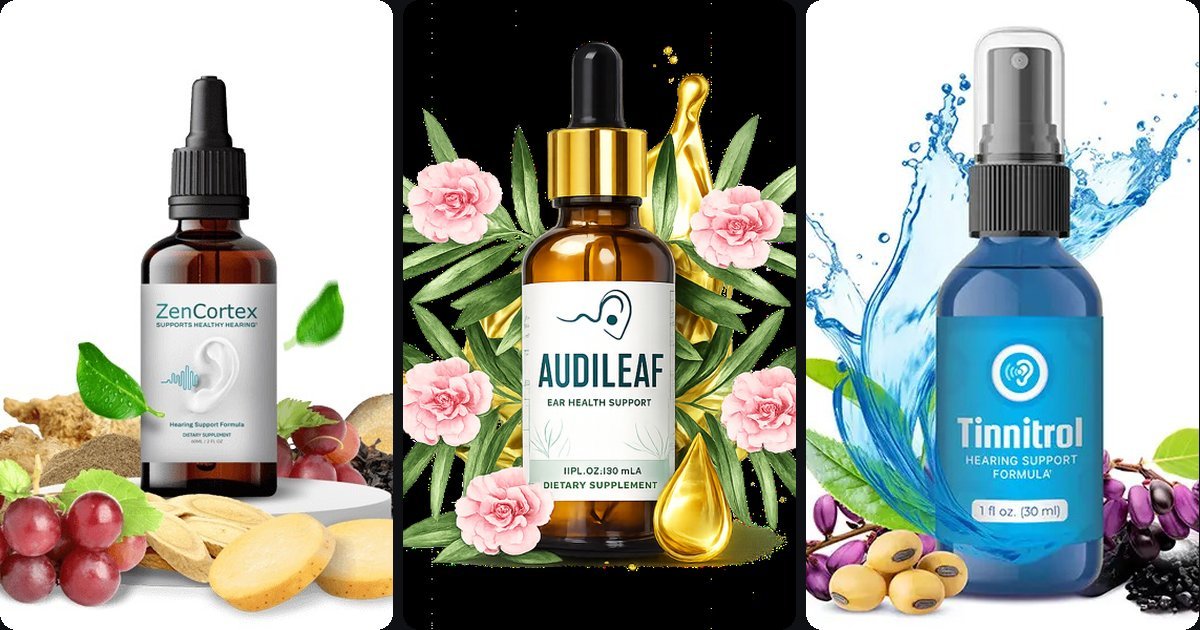
Our hearing-support cluster includes three independently reviewed formulas released in 2026, and all three illustrate the same structural problem from slightly different angles.
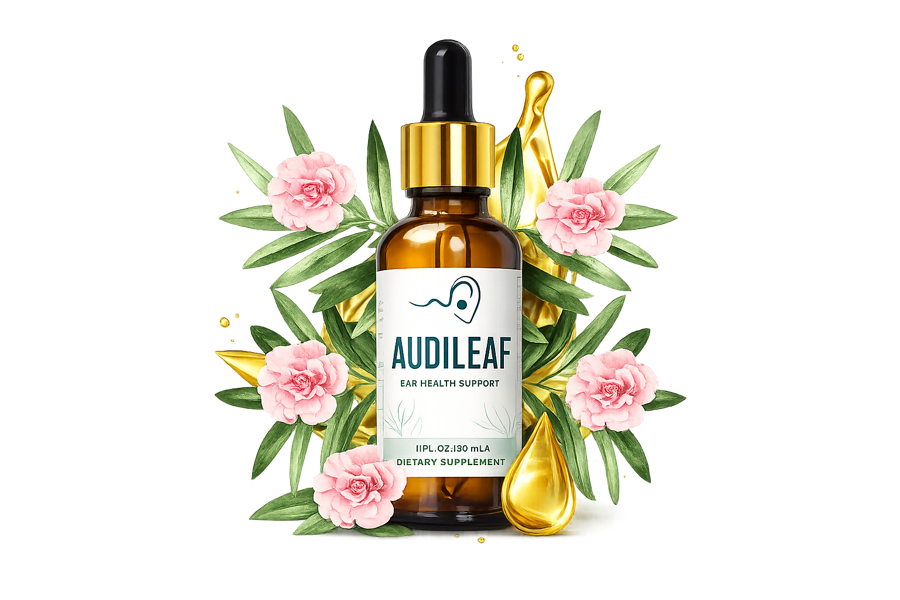
AudiLeaf is a liquid dropper formula combining nine botanicals and amino acids — maca root, grape seed extract, green tea, Panax ginseng, Siberian ginseng, astragalus, and more — into a 200 mg proprietary blend. Nine ingredients sharing 200 mg means each one averages roughly 22 mg, assuming equal distribution. For context, clinical trials of grape seed extract (proanthocyanidins) for antioxidant endpoints typically use 150–300 mg/day; ginseng trials typically use 200–400 mg/day. Even if a single ingredient received disproportionate weighting, the total dose ceiling leaves almost no room for any of them to reach a clinically studied amount.
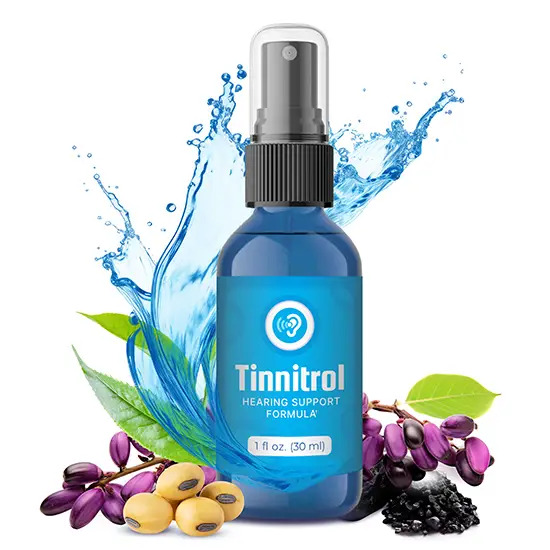
Tinnitrol takes a different approach entirely: a sublingual spray targeting neurotransmitter pathways with Alpha-GPC, GABA, L-Dopa Bean (Mucuna pruriens), Moomiyo (shilajit), L-Arginine, and L-Tyrosine. The concept — sublingual delivery bypassing first-pass metabolism to support auditory signaling — is pharmacologically interesting. The problem is that every single ingredient dose is undisclosed, making it impossible to evaluate whether any of them reach the threshold studied in the literature.
ZenCortex is the most ingredient-heavy of the three: 14-plus botanicals crammed into a 200 mg proprietary blend plus 0.7 mcg of chromium picolinate. Fourteen ingredients dividing 200 mg gives an arithmetic average under 15 mg each — a dose range that is, for compounds like astragalus (clinical trials use 500–2,000 mg/day) or maca root (trials use 1,500–3,000 mg/day), effectively a trace amount.
The pattern across all three: each formula contains ingredients with some published evidence for adjacent health endpoints (antioxidant activity, neuroprotection, circulatory support). But the delivery vehicle — a small proprietary blend divided among many compounds — makes it structurally impossible for most of those ingredients to be present at the doses the underlying research actually used. For the full mechanistic breakdown of how these formulas claim to work, see our Hearing Support Explained guide.
3. Nerve Support: When Marketing Outpaces the Label
The nerve-support category has a different dynamic. Where hearing supplements lean on obscure botanical stacks, nerve supplements more often anchor to a single headline ingredient or mechanism — and the marketing sometimes promises compounds that don’t appear on the label at all.
The viral “red pepper seed hack” is the clearest example. The premise — that capsaicin activates TRPV1 receptors to modulate pain signaling in peripheral nerves — is pharmacologically real. Capsaicin-based topical preparations (like 8% capsaicin patches) have published evidence for neuropathic pain management. But the transition from that evidence to oral supplements marketed with “red pepper seed” language introduces a gap: several formulas in this space use the language and imagery of capsaicin-driven TRPV1 activation in their marketing while the supplement facts panel contains no capsaicin at all. The consumer who arrives via a social media video about a “red pepper trick” has no reason to suspect the formula they’re buying doesn’t contain the compound they came for.
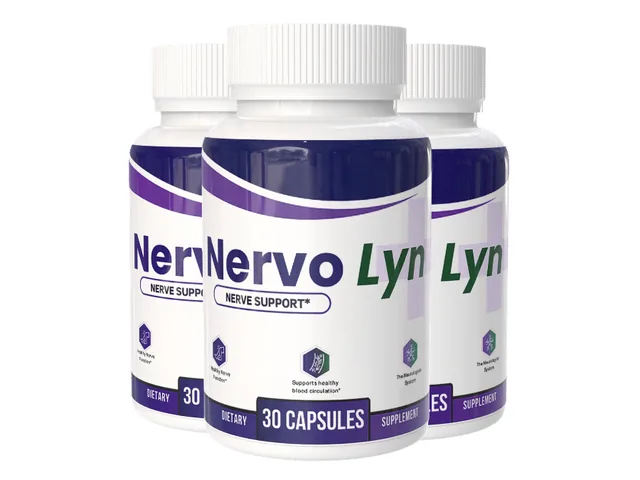
NervoLyn takes a more conventional formulation approach: 80 mg of magnesium glycinate plus a 575 mg proprietary blend containing alpha-lipoic acid, butcher’s broom, L-carnitine, turmeric, and CoQ10. The disclosed magnesium dose — 80 mg — delivers only 19–26% of the adult RDA (310–420 mg/day), and the five remaining ingredients share an undisclosed 575 mg. Alpha-lipoic acid, the strongest evidence-backed ingredient in the blend for nerve-related endpoints, is studied at 600 mg/day as a standalone dose in clinical trials for diabetic polyneuropathy — a dose the entire proprietary blend would struggle to accommodate even if alpha-lipoic acid received the majority share.
Nervory stands out as the one formula in either cluster with fully transparent dosing: 145 mg passionflower, 110 mg marshmallow root, 100 mg corydalis, 50 mg prickly pear 20:1 extract, and 45 mg California poppy. The doses are modest by clinical-trial standards, but because they are fully disclosed, a buyer can actually compare each one against the published literature. A systematic review of Passiflora incarnata found that passionflower preparations reduced anxiety levels in the majority of clinical trials examined, though doses and preparations varied widely across studies.
4. The Proprietary Blend Problem Spans Both Categories
Step back from the individual products and the common thread is obvious: four of the five formulas we’ve reviewed across both categories use proprietary blends that hide individual ingredient doses. The hearing-support cluster is the more extreme case — all three formulas compress their entire botanical stacks into 200 mg total, shared among 9 to 14+ ingredients — but the nerve-support cluster shows the same structural pattern in NervoLyn’s 575 mg undisclosed blend.
This is not unique to sensory health supplements; it is the dominant formulation strategy across most direct-to-consumer supplement categories. But it is particularly consequential in a YMYL (Your Money or Your Life) category where buyers are often arriving with a genuine health concern — tinnitus, peripheral nerve discomfort, age-related hearing changes — and are least equipped to decode the label conventions that separate marketing from dosing reality.
The one exception — Nervory’s fully disclosed label — demonstrates that label transparency is commercially viable. A buyer can look at Nervory’s panel, check each dose against PubMed, and make an informed decision. That should be the baseline, not the outlier.
5. What the Evidence Actually Supports — at What Dose
Beneath the proprietary-blend problem, several ingredients commonly used in sensory health formulas do have published evidence — but consistently at doses that a small shared blend cannot physically deliver:
- Alpha-lipoic acid (nerve support): A 2023 meta-analysis confirmed that oral alpha-lipoic acid at 600 mg/day improves neuropathy symptom scores (TSS) and nerve conduction velocity, with a dose-dependent effect. A Cochrane review (2024) found the intravenous evidence strongest, with oral evidence still growing.
- Ginkgo biloba (hearing/tinnitus): A Cochrane review (2013, updated) examining four trials with 1,543 participants found no evidence that Ginkgo biloba was effective for tinnitus as a primary complaint. Some limited positive findings exist for the specific standardized extract EGb 761, but the overall evidence does not support the broad “hearing support” claims commonly seen in supplement marketing.
- Passionflower (nerve comfort): A 2020 systematic review found that the majority of clinical trials reported reduced anxiety after Passiflora incarnata administration, with effects modulated through the GABA system without causing the cognitive impairment seen with benzodiazepines. However, doses and extraction methods varied substantially across studies.
- Magnesium (nerve function): Essential for nerve transmission, but the adult RDA is 310–420 mg/day. NervoLyn’s 80 mg delivers roughly one-fifth of that baseline — a supplemental contribution, not a therapeutic dose.
- Grape seed extract (antioxidant/circulatory): Animal studies show antioxidant protection against oxidative stress in neural tissue, but no published human trials have demonstrated a direct hearing-preservation effect. The clinical trials that do exist for cardiovascular and antioxidant endpoints use 150–300 mg/day — a dose a 200 mg shared blend cannot accommodate alongside eight other ingredients.
For detailed mechanistic breakdowns of these pathways, see our Hearing Support Explained and Nerve Support Formulas Explained guides.
6. What This Means If You’re Shopping for Sensory Support in 2026
Whether you arrived at this category through an audiologist’s recommendation, a tinnitus search at 2 a.m., or a social media video about a “pepper hack,” three principles will protect you from the widest gaps between marketing and evidence:
- Check whether the formula discloses individual ingredient doses. A proprietary blend hiding 9–14 ingredients inside 200 mg tells you only the total weight, not whether any single ingredient reaches a meaningful amount. If the label won’t tell you the dose, the formula was not designed for a buyer who checks.
- Verify that the headline marketing ingredient actually appears on the supplement facts panel. In the nerve-support category specifically, we have documented formulas that market themselves around capsaicin or “red pepper seed” mechanisms while the supplement facts panel contains neither compound. Read the panel, not the sales page.
- Compare disclosed doses against the clinical literature, not just the ingredient list. Magnesium at 80 mg sounds scientific until you learn the RDA is 310–420 mg. Chromium at 0.7 mcg sounds precise until you learn trials use 200–1,000 mcg. The presence of an ingredient is not the same as the presence of a clinically relevant dose.
For dose-verified recommendations in each cluster, see our Best Hearing Support Supplements 2026, Best Nerve Support Formulas 2026, and the Hearing Support Buying Guide.

Sophie is a staff editor at NutrasInsights focused on Cognitive Health. She researches ingredient evidence and compares label doses against the studies vendors cite before any product earns a recommendation.