Hearing Support Buying Guide (2026): Proprietary Blend Math, Delivery Formats, and Red Flags
Updated October 7, 2026 · By Sophie Callahan
At a Glance
Hearing support supplements promise to protect inner ear hair cells, improve cochlear blood flow, or quiet tinnitus — but the category runs almost entirely on liquid proprietary blends that hide individual ingredient doses. Before buying, do the math: a 200 mg herbal blend split across 9–14 botanicals delivers roughly 14–22 mg per ingredient, while clinical studies on grape seed extract, ginseng ginsenosides, and GABA use doses measured in hundreds or thousands of milligrams. No delivery format — dropper or sublingual spray — bypasses that arithmetic.
1. Why Hearing Support Supplements Deserve Special Scrutiny
Age-related hearing decline (presbycusis) and tinnitus are among the most common sensory complaints in adults over 50, and there is no FDA-approved pharmaceutical that reverses sensorineural hearing loss once it occurs. That gap creates enormous demand — and an equally large opening for supplements to overstate what they can deliver. The sales pages in this category routinely promise to “restore your hearing naturally,” “silence tinnitus,” or “regenerate auditory nerve cells,” none of which any dietary supplement has been clinically demonstrated to do in human trials.
What the published research does show is more modest: certain botanical compounds exhibit otoprotective properties in preclinical models — protecting cochlear hair cells from oxidative damage, supporting nitric-oxide-mediated blood flow in the stria vascularis, or modulating GABAergic signaling in the auditory cortex. Whether a specific product can plausibly deliver those effects comes down to two questions: does it contain ingredients with real preclinical or clinical evidence for auditory pathways, and does the label disclose enough to confirm each dose is anywhere near the range studied?
2. The Ingredient Landscape: What the Evidence Actually Shows
Strip away the marketing language (“revolutionary ear formula,” “20:1 super-extract”) and this category draws from a relatively small pool of botanicals and amino acids. Here is what the published literature says about each — and the dose ranges that evidence is built on.
Grape Seed Extract (OPC): Preclinical Antioxidant Promise
Grape seed proanthocyanidins (OPCs) are potent antioxidants that cross the blood-labyrinth barrier in animal models. Research on Vitis vinifera extracts has demonstrated increased expression of antioxidant enzymes in both the cochlear spiral ganglion and auditory hair cells, with evidence that grape-derived polyphenols may protect against noise-induced hearing loss in animal models. A 2025 systematic review confirmed that higher antioxidant intake is associated with preserved auditory function (PMID 40416381). Clinical studies on grape seed extract for cardiovascular endpoints typically use 150–600 mg/day — orders of magnitude above what a 200 mg blend shared among 9–14 ingredients can deliver.
Panax Ginseng: Ginsenoside-Mediated Otoprotection
Ginsenosides — bioactive saponins from Panax ginseng — have demonstrated otoprotective effects in multiple preclinical models. Korean red ginseng ameliorated acute cochlear damage in mice, with significantly lower ABR (auditory brainstem response) thresholds compared to untreated controls (PMID 23164932). A separate study showed that ginseng extract pretreatment increased cell viability and attenuated cisplatin-induced reactive oxygen species in auditory cells (PMID 20020438). These are encouraging preclinical results, but the doses used in animal studies are not directly translatable to a fraction of a 200 mg proprietary blend — clinical Panax ginseng studies for other endpoints typically test 200–400 mg/day of standardized extract.
GABA: The Auditory Cortex Connection
GABA (gamma-aminobutyric acid) has the most direct mechanistic link to tinnitus of any ingredient in this category. MR spectroscopy studies have documented lower GABA concentration in the auditory cortex of tinnitus patients compared to controls (PMID 35260698), and additional research confirms that auditory cortex neurochemistry — specifically GABA levels — correlates with the presence and severity of tinnitus (PMID 26538652). Oral GABA supplements, however, face a significant delivery challenge: GABA crosses the blood-brain barrier poorly when taken orally. Clinical studies on oral GABA for other endpoints (anxiety, sleep) typically use 100–800 mg/day. A sublingual spray format may theoretically improve absorption, but no human trial has demonstrated that sublingual GABA reaches auditory cortex concentrations sufficient to modulate tinnitus.
L-Arginine: Nitric Oxide and Cochlear Blood Flow
L-Arginine is a precursor to nitric oxide (NO), a vasodilator that helps regulate cochlear blood flow. Animal studies show that blocking NO synthesis with L-NAME produces dose-dependent depression of cochlear vascular conductance, while L-Arginine infusion partially reverses the effect (PMID 12542197). Inhibition of NO synthase also causes measurable elevation of hearing thresholds in animal models (PMID 9743071). The evidence linking NO to cochlear circulation is solid, but these are intravenous or cochlear-perfusion studies in animals, not oral-supplement trials in humans. Clinical L-Arginine studies for vascular endpoints use 3,000–6,000 mg/day — a dose that cannot physically fit inside a liquid dropper serving.
Astragalus: Astragaloside IV in Preclinical Models
Astragaloside IV, a saponin from Astragalus membranaceus, has been shown to attenuate cisplatin-induced ototoxicity by preserving mitochondrial function and activating the Nrf2 signaling pathway (PMID 41990879). A related compound, cycloastragenol, markedly attenuated cisplatin-induced hearing loss in animal models with improved ABR thresholds via the PI3K/Akt/mTOR pathway (PMID 42098483). These are promising otoprotective mechanisms, but they come from in vitro and in vivo animal research — not from human clinical trials with oral astragalus supplements at the doses that appear in hearing-support blends.
Alpha-GPC: Cholinergic Support, Not Auditory-Specific
Alpha-GPC (alpha-glycerylphosphorylcholine) is an efficient choline donor that raises acetylcholine levels. A multicenter Italian trial on 2,044 post-stroke patients used 1,000 mg/day intramuscularly followed by 400 mg three times daily orally (PMID 8030842). A more recent randomized crossover study found cognitive improvements at 315–630 mg in healthy adults (PMID 39683633). Alpha-GPC has no published evidence specific to auditory pathways, hearing preservation, or tinnitus — its inclusion in hearing formulas is based on a general “brain health” rationale, not ear-specific research.
Other Common Inclusions
Several ingredients appear across the hearing-support formulas we’ve reviewed but have no published hearing-specific evidence at all:
- Maca Root: An adaptogen studied for energy and libido at 1,500–3,000 mg/day. No auditory or otoprotective research exists.
- Green Tea Extract: Rich in EGCG with general antioxidant properties. Some products list a “20:1 extract ratio” but disclose no standardization to EGCG content or total milligrams.
- Mucuna pruriens (L-Dopa Bean): A natural source of L-Dopa, studied for dopaminergic support. No direct tinnitus or hearing research.
- Moomiyo (Shilajit): A traditional Ayurvedic mineral pitch with general adaptogenic claims. No auditory-specific evidence.
- L-Tyrosine: An amino acid precursor to dopamine and norepinephrine. Studied for cognitive performance under stress, not for hearing.
3. The Proprietary Blend Trap: Liquid Dropper and Sublingual Spray Math
Unlike the capsule-dominated blood sugar and weight management categories, hearing support supplements are overwhelmingly liquid — either 1 mL dropper servings or sublingual sprays. The format changes, but the dose-math problem does not.
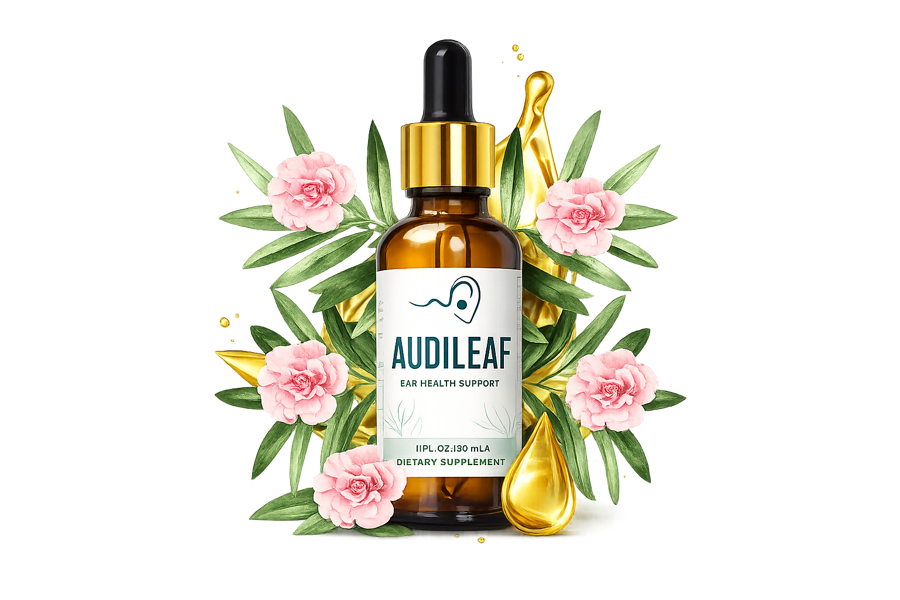
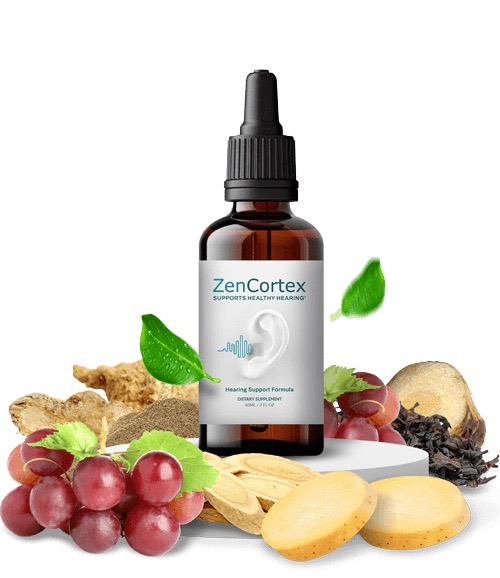
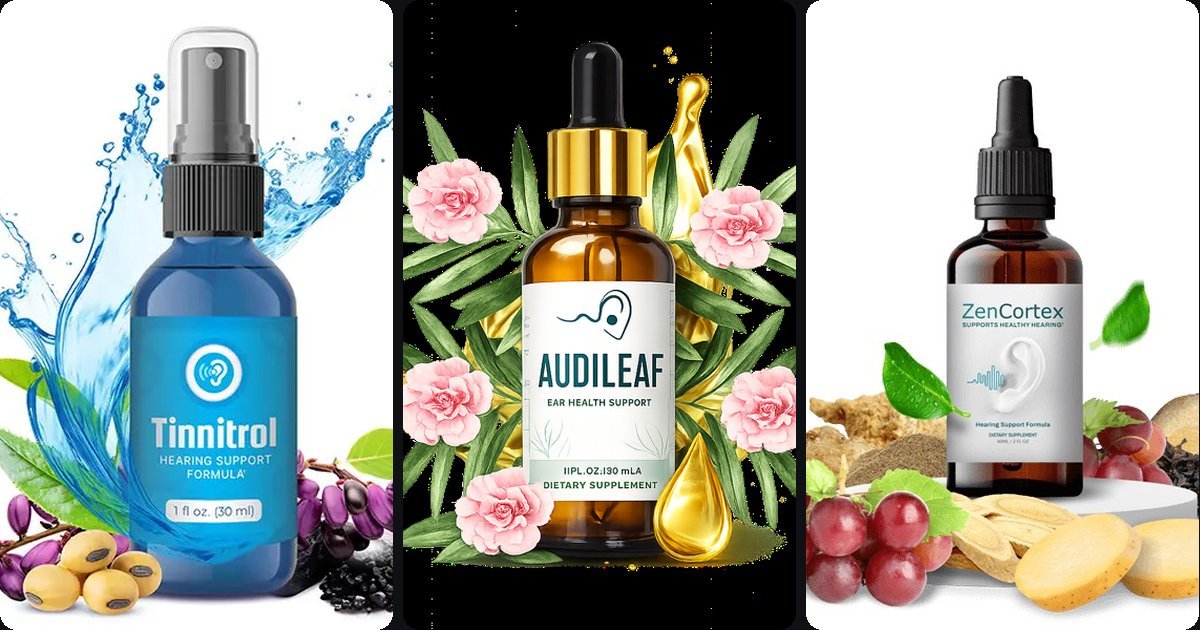
Liquid Dropper Constraints (AudiLeaf, ZenCortex)
- Both AudiLeaf and ZenCortex use a 200 mg proprietary herbal blend in a 1 mL dropper serving.
- AudiLeaf distributes that 200 mg across 9 botanicals and amino acids: an average of roughly 22 mg per ingredient if evenly split.
- ZenCortex distributes that same 200 mg across 14+ ingredients: an average of roughly 14 mg per ingredient.
- For context, the clinical studies on grape seed extract use 150–600 mg/day. On Panax ginseng, 200–400 mg/day. On GABA (oral), 100–800 mg/day. A 14–22 mg share of a 200 mg blend is at best 3–15% of these minimum studied doses.
- The only individually disclosed ingredient in both formulas is chromium picolinate: AudiLeaf at 7 mcg (20% DV) and ZenCortex at 0.7 mcg (2% DV) — both nutritionally negligible amounts that serve no therapeutic purpose for hearing or any other endpoint.
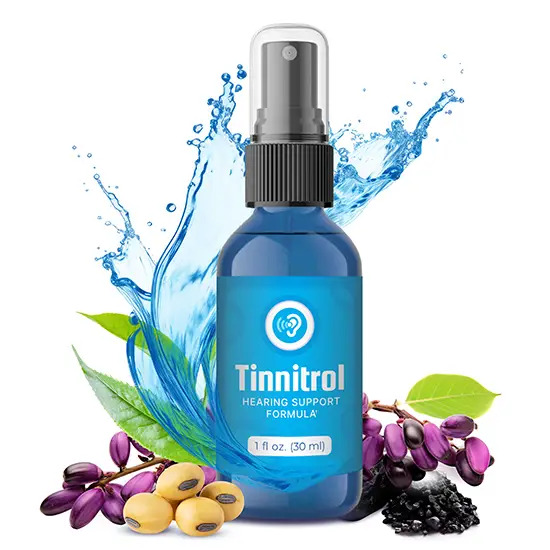
Sublingual Spray Constraints (Tinnitrol)
- Tinnitrol uses a sublingual spray format with 6 ingredients, but every single dose is undisclosed. No Supplement Facts panel is publicly available.
- Sublingual delivery is a legitimate pharmaceutical format that can improve bioavailability for certain compounds by bypassing first-pass hepatic metabolism. GABA, the mechanistically most relevant ingredient for tinnitus, may benefit from sublingual absorption.
- However, without knowing how many milligrams of GABA (or any other ingredient) each spray delivers, the theoretical bioavailability advantage is unverifiable. A better-absorbed dose of an unknown amount remains an unknown amount.
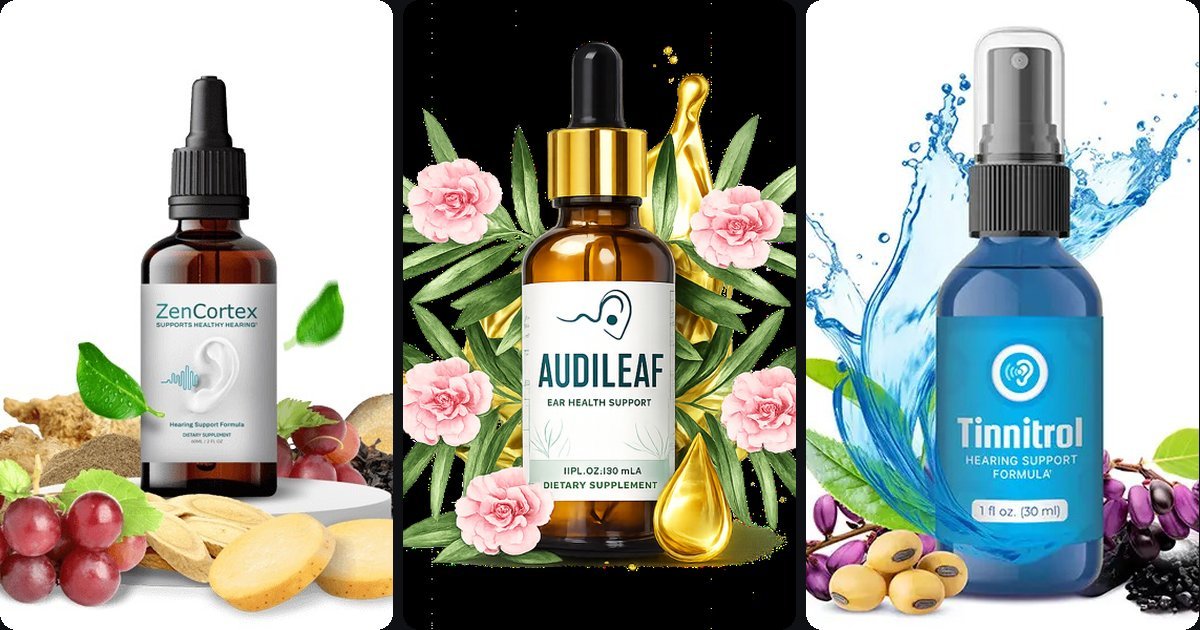
Across all three hearing-support products we’ve reviewed, the pattern is consistent: the 200 mg blend ceiling (or unknown spray volume) structurally prevents any single ingredient from reaching its studied dose, and the label conceals the exact shortfall.
4. Red Flags, Deceptive Marketing, and Category-Wide Patterns
1. “Restore Your Hearing Naturally” and Regeneration Claims
Once cochlear hair cells are damaged, they do not regenerate in humans — this is a fundamental biological fact, not a limitation of current technology. Any product claiming to “restore,” “reverse,” or “regenerate” hearing is making a claim that contradicts the current state of auditory medicine. These are also illegal disease claims under FDA supplement regulations.
2. “Silence Your Tinnitus” Promises
Tinnitus is a symptom with multiple underlying mechanisms (cochlear damage, central auditory processing changes, GABAergic imbalances), and there is no known cure — pharmaceutical or otherwise. Sales language promising to “silence” or “eliminate” tinnitus overstates what even the most promising pharmaceutical candidates in clinical trials have achieved, let alone an oral supplement with undisclosed doses.
3. Unverifiable Creator Credentials
ZenCortex credits a “Jonathan Miller” with no disclosed medical, nutritional, or scientific credentials. Tinnitrol’s creator, Mike Rubens, also has no independently verifiable background in audiology, neuroscience, or nutrition. If the person claiming to have “formulated” a product targeting auditory nerve function has no audiology, neuroscience, or related credential, treat that formula with extra skepticism.
4. Citations by Count, Not by Reference
ZenCortex’s sales page claims to reference “21 studies” but does not link to or name a single one. A product that says “backed by clinical research” without a single verifiable PMID or DOI is asking you to take its word for it — the same standard this guide explicitly refuses to accept.
5. Template Reuse and Cross-Product Overlap
AudiLeaf and ZenCortex share a nearly identical formula architecture: 200 mg proprietary herbal blend, 1 mL liquid dropper, many of the same ingredients (maca root, grape seed, ginseng, astragalus, green tea, GABA or L-Arginine), and an identical chromium-picolinate footnote. When two products in the same category share this level of structural overlap, it raises a legitimate question about whether each formula was independently developed for its specific purpose or assembled from the same white-label template.
6. Premium Pricing for Undisclosed Quantities
Tinnitrol prices at $179 per bottle with every ingredient dose undisclosed. AudiLeaf and ZenCortex range from $49–$79 per bottle depending on bundle size, also with fully proprietary blends. For comparison, standalone grape seed extract capsules with 400 mg of disclosed, standardized OPCs typically cost $10–$20 per month from established supplement brands. Paying a premium for an undisclosed amount of the same ingredient inside a crowded blend is a poor value proposition.
5. The Buyer’s Decision Framework
Before purchasing any hearing support supplement, run it through this five-step check:
- Check Label Transparency: Does the Supplement Facts panel disclose the exact amount of every active ingredient? A proprietary blend with no per-ingredient breakdown means you cannot verify any dose. In the three hearing-support products we’ve reviewed, none disclose individual ingredient amounts — that is a category-wide failure, not a product-specific one.
- Do the Blend Math: Take the total proprietary blend weight and divide by the number of ingredients. If the average comes out under 25 mg, no ingredient can realistically reach even 10% of its clinical study dose. A 200 mg blend with 14 ingredients averages 14 mg each.
- Check the Evidence Level: Separate preclinical (animal/cell) evidence from human clinical trial evidence. Most ingredients in this category have preclinical otoprotective data only. Preclinical promise is a reason to watch an ingredient — not a reason to buy it at an undisclosed dose in a retail supplement.
- Evaluate the Marketing Claims: Any product claiming to restore hearing, regenerate hair cells, or cure tinnitus is making statements that contradict auditory medicine. Structure/function language (“supports healthy auditory function”) is the legal limit for supplements — and even that is aspirational at sub-clinical doses.
- Confirm Buyer Protections: Look for a minimum 60-day money-back guarantee, explicit one-time purchase terms, and a reputable payment processor. AudiLeaf and ZenCortex offer 60-day guarantees; Tinnitrol offers 90 days. All three sell through BuyGoods or MaxWeb with standardized refund handling.
What We Found in Our Reviews
Across the three hearing support products we’ve reviewed to date, the highest-scoring product — AudiLeaf (3.2/5) — earned that score primarily for having a tighter ingredient list (9 versus 14+ in ZenCortex) and documented GMP certification, not because its doses are clinically verified. Tinnitrol (2.0/5) has the most mechanistically relevant ingredient for tinnitus (GABA) delivered sublingually, but discloses nothing about any dose. ZenCortex (1.7/5) spreads 200 mg across 14+ ingredients, making meaningful dosing of any single one structurally impossible.
See the full breakdown and ranking in our Best Hearing Support in 2026 guide. For the underlying biology — how cochlear hair cells work, what oxidative stress does to the stria vascularis, and why the marketing consistently outruns the evidence — read our companion explainer: How Do Hearing Support Supplements Actually Work?. Browse every product we’ve evaluated in the Hearing Support Category Hub.
Frequently Asked Questions
Can a dietary supplement reverse hearing loss?
No. Sensorineural hearing loss involves permanent damage to cochlear hair cells, which do not regenerate in humans. No dietary supplement has been demonstrated in human clinical trials to reverse established hearing loss. Certain ingredients show otoprotective properties in preclinical models — meaning they may help protect against further damage in controlled lab settings — but that is fundamentally different from reversing existing damage in a living person.
Is sublingual delivery actually better than a regular capsule for hearing supplements?
Sublingual delivery bypasses first-pass liver metabolism, which can improve bioavailability for certain compounds. For GABA specifically, this is a theoretically relevant advantage since oral GABA crosses the blood-brain barrier poorly. However, improved bioavailability of an unknown dose is still an unknown outcome. Without a disclosed milligram amount per spray, there is no way to evaluate whether the sublingual format delivers a meaningful quantity of any ingredient to the auditory system.
Why do so many hearing supplements use a 200 mg proprietary blend?
Two hundred milligrams is approximately the active-ingredient payload of a standard 1 mL liquid dropper serving. Multiple hearing-support products converge on this number because it reflects a format constraint, not a formulation decision. The products differ in how many ingredients they pack into that fixed 200 mg budget — 9 in AudiLeaf, 14+ in ZenCortex — but none can escape the arithmetic: dividing a small total across many ingredients produces sub-clinical amounts of each.
What is the single most promising ingredient for tinnitus support?
Based on published evidence, GABA has the strongest mechanistic link to tinnitus. MR spectroscopy studies have documented reduced GABA levels in the auditory cortex of tinnitus patients compared to controls (PMID 35260698, PMID 26538652). However, oral GABA supplements face a blood-brain-barrier problem, and no human trial has demonstrated that oral or sublingual GABA supplementation at any dose reduces tinnitus severity. It remains the most biologically plausible candidate, not a proven intervention.
Should I take a hearing supplement alongside hearing aids?
Hearing aids address the mechanical amplification deficit caused by hair cell damage. A supplement marketed for “hearing support” targets different theoretical mechanisms (antioxidant protection, blood flow, neurotransmitter balance). The two are not substitutes for each other, and a supplement should never delay a visit to an audiologist. If you are considering a supplement alongside hearing aids, discuss it with your audiologist or physician — particularly if the supplement contains ingredients like GABA or L-Arginine that have neuroactive or vasodilatory properties.

Sophie covers Cognitive Health supplements for NutrasInsights, checking label doses against the published research before any product earns a recommendation.