How Do Nerve Support Formulas Actually Work? Mechanisms, Evidence, and What the Marketing Skips
Updated September 10, 2026 · By Julian Bellamy
The Short Answer
Nerve support supplements do not regrow dead nerves or replace medical diagnosis. What they can do—when formulated with evidence-based ingredients—is neutralize reactive oxygen species in peripheral tissue, support microvascular blood flow (vasa nervorum), and provide cofactor nutrients for cellular energy. However, retail formulas frequently dilute these compounds into proprietary blends at fractions of the doses validated in clinical trials.
1. The Anatomy of Peripheral Nerve Discomfort
To evaluate whether a supplement can help with nerve sensations, it helps to first understand why peripheral nerves are so susceptible to distress. Peripheral nerves—particularly the long sensory axons that run from the spine down into the tips of the toes and fingers—are some of the longest and most metabolically demanding cells in the human body.
Unlike central nervous system neurons nestled securely behind the blood-brain barrier, peripheral nerves depend on a delicate microscopic network of capillaries known as the vasa nervorum. These tiny blood vessels deliver oxygen, glucose, and micronutrients while clearing metabolic waste. If capillary blood flow declines, or if systemic inflammation generates excess reactive oxygen species (ROS), peripheral nerve fibers begin to experience oxidative stress and hypoxia.
This oxidative state impairs the myelin sheath—the protective insulating layer surrounding nerve fibers—and disrupts the sodium-potassium pumps that maintain electrical membrane potentials. The result is spontaneous, erroneous signaling: sensory fibers misfire, registering phantom sensations like tingling ("pins and needles"), prickling, numbness, or burning sensations, most prominently at night when ambient distractions drop.
2. Three Real Mechanisms: How Ingredients Interact with Nerve Tissue
When you strip away the sensational sales copy, peer-reviewed nutritional research does identify three legitimate biochemical pathways through which dietary compounds can support nerve health:
Antioxidant Defense & Free Radical Scavenging
Peripheral nerves have relatively weak intrinsic antioxidant defenses. High metabolic activity combined with abundant lipid membranes makes them prime targets for lipid peroxidation. Alpha-lipoic acid (ALA) is considered the benchmark nutrient in this category because it is amphiphilic—operating in both lipid membranes and aqueous cellular fluid. ALA neutralizes free radicals directly and recycles endogenous antioxidants like glutathione, vitamin C, and coenzyme Q10. In published human trials, such as the landmark SYDNEY 2 trial, oral administration of ALA significantly improved sensory symptom scores by reducing oxidative neuro-vascular damage.
Microvascular Perfusion (Supporting the Vasa Nervorum)
Without adequate microcirculatory perfusion, nerves simply cannot maintain normal conduction velocity. Compounds derived from vascular botanicals—such as Butcher's Broom (Ruscus aculeatus) and standardized flavonoid extracts—act on capillary fragility and venous tone. By improving microvascular elasticity and reducing interstitial fluid pooling, these extracts help ensure oxygen and nutrient delivery reach distal extremities that often feel icy or numb.
Mitochondrial Energy & Neurotransmitter Modulation
Sensory neurons require continuous adenosine triphosphate (ATP) production to maintain resting membrane potential. Acetyl-L-carnitine (ALCAR) shuttles long-chain fatty acids into neuronal mitochondria for beta-oxidation and acetyl-CoA synthesis, fueling nerve fiber energy requirements. Simultaneously, minerals like magnesium glycinate serve as physiological calcium channel blockers, preventing excessive neuronal excitation through NMDA receptors and promoting calm, stabilized firing patterns.
3. The Clinical Dose Gap: Why Most Retail Blends Fall Short
If the science supporting these compounds is so compelling, why do so many people report that commercial nerve supplements failed to deliver results? The answer almost always comes down to arithmetic and proprietary blends.
Clinical trials that demonstrated statistically significant improvements in nerve comfort utilized substantial, rigorous daily doses:
- Alpha-Lipoic Acid: Clinical efficacy in the SYDNEY 2 and NATHAN 1 trials was established at 600 mg per day.
- Acetyl-L-Carnitine: Human peripheral neuropathy trials utilized between 1,500 mg and 3,000 mg per day.
- Coenzyme Q10: Mitochondrial support research generally evaluates doses between 200 mg and 400 mg per day.
- Magnesium: Neuromuscular and sleep support studies typically administer 300 mg to 500 mg of elemental magnesium.
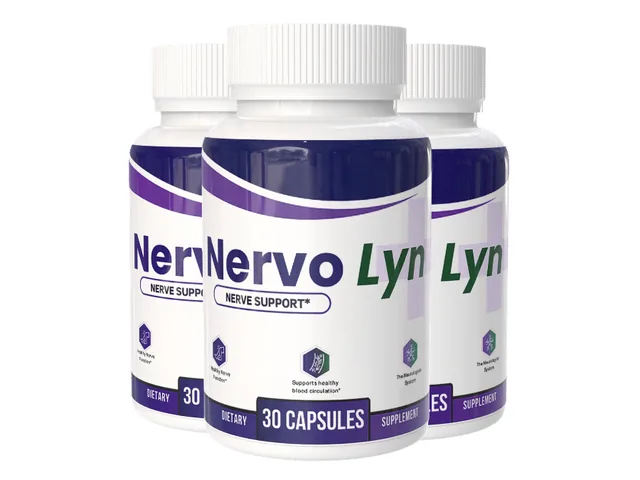
Now look closely at typical retail formulas. A standard capsule can physically hold only about 600 to 750 mg of powdered ingredients. Many commercial products lump five, six, or seven active ingredients into a single "proprietary nerve blend" totaling 500 to 575 mg. As we observed in our NervoLyn Review, when five separate compounds must share a 575 mg envelope, it is physically impossible for even a single ingredient to reach its clinically validated threshold. Vendors get to claim the ingredient is present on the label, but consumers receive a sub-therapeutic microdose.
4. Who Benefits, Who Should Pass, and Red Flags to Avoid
A dietary supplement is not a universal solution, and realistic expectations are essential for both safety and satisfaction.
Who May Benefit
- Adults noticing occasional, age-related tingling, cold hands and feet, or sensory sensitivity after long periods of standing or sitting.
- Individuals who have consulted a physician, confirmed there is no acute spinal or systemic pathology, and want nutritional support to accompany diet, exercise, and blood sugar management.
- People looking for antioxidant and microvascular support who are willing to commit to a consistent 60-to-90-day regimen.
Who Should Pass & Seek Medical Care
- Anyone experiencing sudden-onset numbness, progressive muscle weakness, difficulty lifting the front of the foot ("foot drop"), or loss of bowel or bladder control. These are neurological emergencies requiring urgent medical diagnosis.
- Individuals with diagnosed diabetic polyneuropathy or severe radiculopathy who believe a supplement can replace physician-directed therapy. Supplements do not repair severed axons or decompress pinched nerve roots.
Marketing Red Flags to Watch For
Be instantly skeptical of sales pages featuring evergreen countdown clocks ("discount expires in 14:59"), fake stock counters ("only 7 bottles remaining"), promises of "overnight nerve restoration," or formulas that hide behind proprietary blends without disclosing individual milligrams. For a comprehensive look at how specific brands measure up, visit our Nerve Support Formulas Category Hub.
The Honest Bottom Line
Nerve support supplements are neither miracle cures nor total scams—they are a class of targeted nutraceuticals where the underlying biochemistry makes sense, but commercial execution often disappoints. If you experience occasional tingling, numbness, or cold extremities and have had secondary medical causes ruled out by a physician, compounds like alpha-lipoic acid, acetyl-L-carnitine, and microcirculation botanicals can provide meaningful physiological support over an 8-to-12-week horizon.
However, real results require clinical dosages. Formulas hiding behind tiny proprietary blends (such as 500–600 mg total for five or six compounds) cannot mathematically deliver the active concentrations demonstrated in peer-reviewed trials. If you choose to trial a nerve support supplement, always prioritize full label transparency, verify that individual active amounts approach clinical study levels, and confirm that the purchase includes an unconditional money-back guarantee.
Frequently Asked Questions
Can dietary supplements actually regenerate damaged nerves?
Dietary supplements cannot regenerate severed, dead, or severely damaged peripheral nerves. What specific nutrients (like alpha-lipoic acid and acetyl-L-carnitine) can do is reduce oxidative stress, improve microvascular perfusion through the vasa nervorum, and support cellular energy production in surviving axons. Axonal recovery is a slow biological process (typically around 1 mm per day) that depends fundamentally on systemic health, glycemic control, and underlying nerve pathology.
How long does a nerve support supplement take to show noticeable effects?
In randomized controlled trials such as the SYDNEY 2 study on alpha-lipoic acid, measurable improvements in peripheral sensory comfort typically took 3 to 5 weeks to manifest, with compounding benefits observed across 3 to 6 months of consistent daily administration. If a commercial formula claims instant relief within 48 hours, it is relying on marketing exaggeration rather than physiological reality.
What is the difference between alpha-lipoic acid and R-alpha-lipoic acid?
Standard alpha-lipoic acid (ALA) is a 50/50 synthetic racemic mixture of two enantiomers: R-ALA (the naturally occurring, biologically active form) and S-ALA (an unnatural byproduct of chemical synthesis). R-ALA exhibits superior bioavailability and plasma absorption compared to the racemic mix, meaning a lower dose of pure R-ALA (around 200–300 mg) can match or exceed the therapeutic potential of 600 mg of standard racemic ALA.
Are nerve support formulas safe to take alongside prescription medications?
While most vitamins and botanicals in nerve supplements are well-tolerated, notable interactions can occur. Alpha-lipoic acid can increase insulin sensitivity and lower blood glucose, which may require monitoring if taking anti-diabetic medications. Botanicals that affect vascular tone or platelet aggregation (such as butcher's broom or turmeric) require caution alongside blood pressure or anticoagulant drugs. Always bring the physical bottle to your doctor or pharmacist.

Julian is a staff editor at NutrasInsights focused on Joint & Mobility. He researches ingredient evidence and compares label doses against the studies vendors cite before any product earns a recommendation.