Cognitive Health Trends 2026: The Nootropic Boom, Proprietary Blend Math, and Why Dose Transparency Matters More Than Ever
Published October 21, 2026 · By Sophie Callahan
At a Glance
The global nootropic supplement market surpassed $6 billion in 2025, driven by rising demand for cognitive support among professionals, students, and aging populations. But the gap between what supplement labels promise and what the clinical evidence supports has never been wider. Proprietary blends that pack seven ingredients into 151 mg, mushroom nootropics riding a research wave that is still building, and a consumer base that increasingly knows the difference between structure/function claims and real evidence — that is the landscape in 2026.
1. The $6 Billion Nootropic Market: What Is Driving the Demand
The global nootropic supplements market was valued at $6.02 billion in 2025 and is projected to reach $14.79 billion by 2034, growing at a compound annual rate of 10.5%. That is not just industry optimism — it reflects a structural shift in how consumers think about cognitive health.
Three forces are converging. First, an aging population: adults over 50 are the fastest-growing segment of supplement consumers, and cognitive decline is their top health concern. Second, workplace and academic pressure: professionals and students are seeking any legal edge for focus, memory retention, and sustained attention. Third, the preventive-wellness movement: younger consumers who once dismissed supplements are now incorporating nootropic ingredients into daily routines alongside exercise and sleep optimization.
North America remains the largest regional market, driven by mature e-commerce channels and a strong direct-to-consumer supplement culture. Asia-Pacific is the fastest-growing region, with rising disposable incomes and expanding digital retail accelerating adoption.
The demand is real. The question is whether the products meeting that demand are delivering clinically meaningful doses of the ingredients that justify the marketing.
2. Bacopa Monnieri: A Real Ingredient with a Dosing Problem
If there is one ingredient that defines the gap between nootropic evidence and nootropic marketing, it is Bacopa monnieri. It is one of the best-studied botanical nootropics in existence — and one of the most frequently under-dosed.
A systematic review of randomized, controlled human clinical trials found that Bacopa monnieri improved performance on 9 of 17 tests in the domain of memory free recall, with consistent benefits for delayed recall and learning rate (Pase et al., J Altern Complement Med, 2012; PMID 22747190). A more recent 2024 systematic review expanded the evidence base to 22 clinical trials, confirming neuroprotective and cognitive-enhancing effects linked to Bacopa's ability to mitigate oxidative stress and modulate inflammatory pathways (Fatima et al., Antioxidants, 2024; PMID 38397460).
The critical number: 300 mg/day of a standardized extract (typically 50% bacosides) is the minimum dose used across the positive clinical trials. Most studies that found meaningful cognitive improvements used 300–450 mg daily over 8–12 weeks.
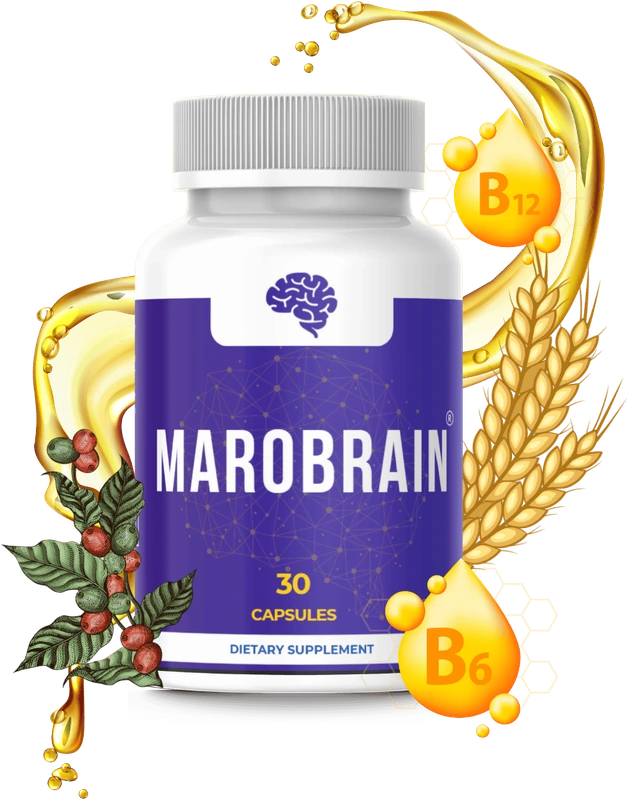
Now look at what the supplement market actually delivers. In our Marobrain review, the entire proprietary blend — containing Bacopa monnieri, Huperzine-A, Rhodiola rosea, L-Tyrosine, theacrine, theobromine, and caffeine — totals 151 mg. Seven ingredients, 151 mg total. Even if Bacopa were the only ingredient in that blend, it would still fall short of the minimum studied dose by half. Mathematically, it is receiving a fraction of 151 mg shared across seven compounds.
This is not a problem unique to one product. It is a structural feature of proprietary-blend nootropics — and the reason why label transparency is not optional for this category.
3. Lion's Mane and the Mushroom Nootropic Wave
Hericium erinaceus — Lion's Mane — has become the consumer-facing symbol of the "mushroom nootropic" trend. Google search interest for "Lion's Mane supplement" has grown steadily since 2022, and the ingredient now appears in a significant share of new cognitive health product launches. The marketing narrative is compelling: a functional mushroom that may support nerve growth factor (NGF) production and promote neuroplasticity.
The clinical evidence is genuine but still early-stage. A randomized, double-blind, placebo-controlled trial involving adults aged 40–75 with self-reported cognitive difficulty found that eight weeks of daily supplementation with 2 g of H. erinaceus fruiting body and mycelial biomass produced measurable cognitive improvements compared to placebo, with 109 participants in the primary analysis (Frontiers in Nutrition, 2025; PMID 40276537). A systematic review that included five randomized controlled trials and three pilot clinical trials found a combined weighted mean increase of 1.17 points on the Mini-Mental State Examination in intervention groups.
Two caveats that the marketing rarely mentions. First, most positive trials used 1–3 g/day of Lion's Mane fruiting body or extract — doses that are difficult to deliver in capsule formats and nearly impossible in gummies. Second, the majority of the mechanistic evidence (NGF stimulation, neuroplasticity) comes from in vitro and animal studies. The human clinical trial base, while growing, is still small and heterogeneous. Promising is not proven.
The honest read: Lion's Mane is a legitimate research target with plausible mechanisms and some early clinical support. It is not yet a compound where you can cite a dose, point to a robust human evidence base, and say "this works." Consumers paying premium prices for Lion's Mane supplements deserve to know the difference.
4. The Proprietary Blend Problem — When 151 mg Has to Cover Seven Ingredients
The cognitive health category has a transparency problem that mirrors what we documented in Weight Management Trends 2026 for the metabolism-support space — except here, the gap between clinical doses and delivered doses is often even wider.
Consider the clinical evidence thresholds for common nootropic ingredients:
- Bacopa monnieri: 300–450 mg/day standardized extract for memory benefits.
- Rhodiola rosea: 200–600 mg/day (3% rosavins) for stress resilience and cognitive function under fatigue (Hung et al., Phytomedicine, 2011; PMID 22643043).
- L-Tyrosine: 500–2,000 mg/day for cognitive performance under acute stress conditions.
- Alpha-GPC: 300–1,200 mg/day for cholinergic support. Clinical trials in cognitive decline populations used 400 mg three times daily (De Jesus Moreno, Clin Ther, 2003; PMID 12637119).
- Huperzine-A: 50–200 mcg/day — the rare exception that works at microgram-level doses.
Add up just the minimums for Bacopa, Rhodiola, and L-Tyrosine alone: 300 + 200 + 500 = 1,000 mg. That is before you consider any other active ingredient.
A proprietary blend totaling 151 mg cannot deliver clinical doses of even one of those three compounds, let alone all seven ingredients it contains. This is not opinion — it is arithmetic. And yet the marketing copy surrounding these products cites the same clinical studies that used doses five to ten times higher than what the blend can physically contain.
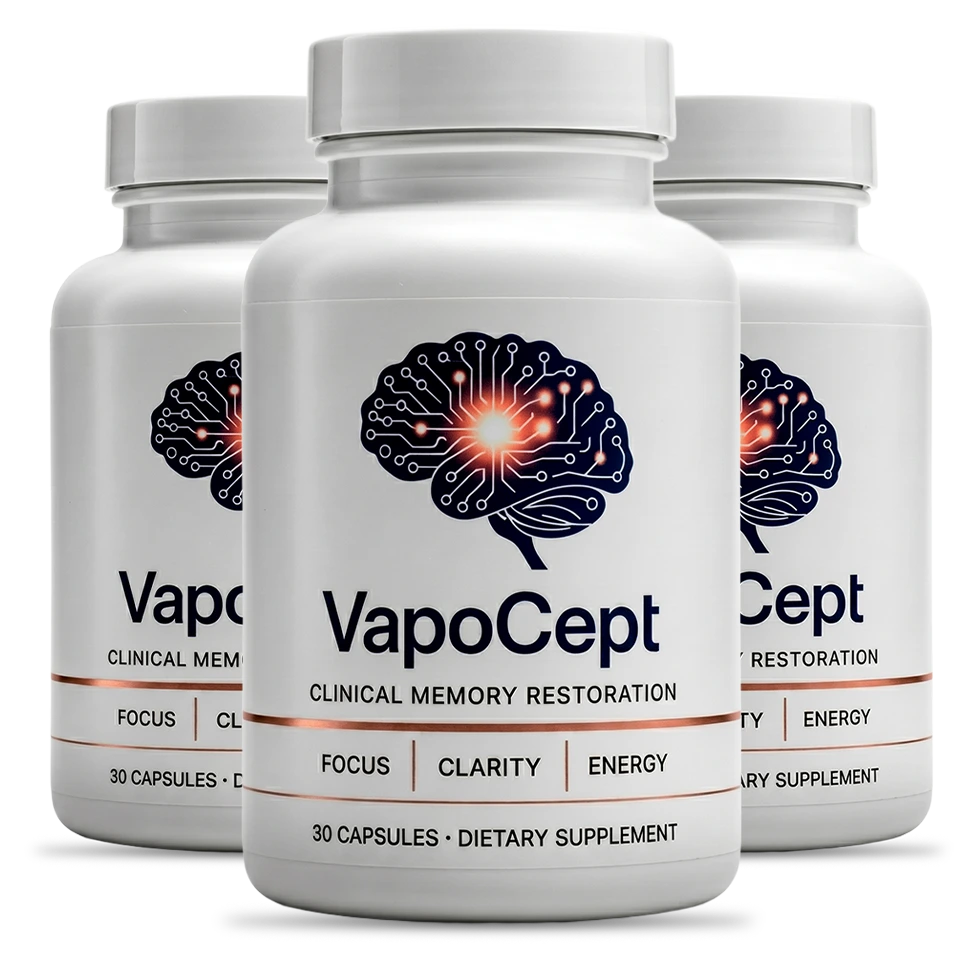
Our VapoCept review shows what the other end of the transparency spectrum looks like: a formula that discloses individual ingredient amounts, allowing dose-vs-evidence comparison on every line of the Supplement Facts panel. Whether those disclosed doses are adequate is a separate question — but at least you can evaluate them.
For a detailed walkthrough of what to look for on a nootropic label, see our Nootropic Formulas Buying Guide (2026).
5. The Cholinergic Angle: Alpha-GPC, Citicoline, and the Evidence Threshold
A growing sub-trend within cognitive health supplements is the "cholinergic support" positioning — products built around Alpha-GPC (L-alpha-glycerylphosphorylcholine) and citicoline (CDP-choline), compounds that provide choline for acetylcholine synthesis in the brain.
The preclinical science is solid. Alpha-GPC crosses the blood-brain barrier, enhances cholinergic neurotransmission, and upregulates neurotrophic factors including BDNF (Neuropsychiatric Disease and Treatment, 2024). Clinical studies have reported benefits in patients with vascular dementia, mild cognitive impairment, and Parkinson's-related cognitive decline — mostly at doses of 400 mg three times daily (1,200 mg/day total).
Two honest observations the marketing omits. First, most positive clinical trials were conducted in populations with diagnosed cognitive impairment or neurodegenerative conditions — not in healthy adults looking for a productivity edge. The evidence that Alpha-GPC enhances cognition in healthy, cognitively normal individuals is limited. Second, 1,200 mg/day is a substantial dose. Products delivering 150–300 mg per serving are providing a fraction of what the clinical literature studied.
Citicoline has a similar profile: genuine evidence in clinical populations at therapeutic doses (500–2,000 mg/day), with much thinner support for cognitive enhancement in healthy adults. A large trial (the COBRIT study) found no benefit for citicoline in traumatic brain injury patients, a reminder that even well-characterized compounds do not universally deliver on every claim made about them.
The takeaway for consumers: cholinergic support is a real mechanism, and these are real compounds. But "supports brain function" on a label containing 200 mg of Alpha-GPC is citing evidence generated at six times that dose in a different population. Read the dose before you read the claim.
6. What This Means for Buyers in 2026
The cognitive health supplement category in 2026 has more evidence behind it than any previous year — and more products that fail to deliver on that evidence. If you are evaluating nootropic formulas this year, four principles will help you navigate the gap:
- Demand milligram-level disclosure: A proprietary "Cognitive Blend" is a promise you cannot verify. If the vendor does not tell you exactly how much of each ingredient is in the formula, you cannot compare their product against the clinical evidence they cite. Full stop.
- Do the math before you buy: Look up the minimum dose studied in clinical trials for each active ingredient. If the total blend is smaller than what a single ingredient requires, the formula is structurally under-dosed — no matter how impressive the ingredient list looks.
- Distinguish population-specific evidence from general claims: Many nootropic ingredients have meaningful clinical evidence in patients with diagnosed cognitive impairment. That does not automatically translate to benefits for healthy 30-year-olds looking for a focus boost. Vendors who blur this distinction are counting on you not to notice.
- Be skeptical of single-ingredient narratives: "Lion's Mane boosts brain power" is a headline, not an evidence summary. The real picture is nuanced: some positive trials, small sample sizes, heterogeneous study designs, promising but not conclusive. That nuance matters when you are deciding where to spend your money.
For our dose-verified reviews of individual cognitive health products, visit the Cognitive Health Department Hub. For a deeper look at how memory-support ingredients work at the molecular level, see our Memory Support Explained guide.

Sophie covers Cognitive Health supplements for NutrasInsights, checking label doses against the published research before any product earns a recommendation.