Nootropic Formulas Buying Guide (2026): Clinical Doses, Proprietary Blend Math, and What to Actually Look For
Updated October 20, 2026 · By Sophie Callahan
At a Glance
Nootropic supplements promise sharper focus, better memory, and mental clarity without a prescription, but the category runs on proprietary blends that hide individual ingredient amounts. Before buying, check every active compound against its clinically studied threshold: Bacopa monnieri at 300–640 mg/day, Huperzine-A at 200–400 mcg/day, Rhodiola rosea at 200–600 mg/day, and L-Tyrosine at 500–2,000 mg/day. A capsule serving that squeezes seven compounds into 151 mg total cannot deliver a clinically meaningful dose of more than one.
1. Why Shopping for a Nootropic Supplement Demands Extra Scrutiny
Nootropic supplements sit in one of the fastest-growing corners of the supplement market, driven by adults seeking cognitive support for demanding workdays, academic performance, and age-related memory concerns. The category also sits close to serious neurological conditions — Alzheimer’s disease, ADHD, and age-related cognitive decline affect tens of millions of Americans — which makes it a YMYL (Your Money or Your Life) topic where misleading claims carry real consequences.
Sales pages routinely promise to “unlock your brain’s full potential,” describe a product as a “genius pill,” or invoke fabricated neuroscience like “neural pathway reactivation” that a proprietary blend supposedly triggers. None of that is how cognition works, and no over-the-counter supplement diagnoses, treats, cures, or prevents any neurological condition.
What certain botanical and amino acid ingredients can do, when dosed at the levels used in published clinical trials, is offer modest structure/function support for memory consolidation, attention under stress, and cerebral blood flow. Whether a specific product can plausibly deliver that support comes down to two questions: does it use ingredients with genuine clinical evidence, and does the label disclose enough to confirm the dose reaches the range that evidence used?
2. The Core Nootropic Ingredients: What Clinical Evidence Actually Supports
Strip away marketing language like “advanced cognitive matrix” and examine the compounds this category actually draws from, along with the daily doses used in the trials that studied them:
Bacopa Monnieri: The Most-Studied Botanical Nootropic
Bacopa monnieri is a marsh plant with a long Ayurvedic tradition and a solid modern evidence base. Its bacosides enhance synaptic communication and may protect neurons from oxidative damage. A 2013 acute crossover RCT by Downey et al. tested 320 mg and 640 mg of CDRI-08 extract and found dose-dependent improvements in sustained cognitive performance. A 2008 RCT by Calabrese et al. demonstrated cognitive and mood improvements in elderly subjects with standardized whole-plant extract. The clinical range is 300–640 mg/day of extract standardized to at least 20% bacosides. Effects are gradual — most trials measured outcomes at 8–12 weeks of daily use. A formula offering 30–50 mg of Bacopa buried inside a proprietary blend is decorative, not functional.
Huperzine-A: Effective at Microgram Levels
Huperzine-A, extracted from the club moss Huperzia serrata, is a potent acetylcholinesterase inhibitor — it slows the breakdown of acetylcholine, the neurotransmitter most directly involved in memory formation and recall. A 1995 multicenter RCT by Xu et al. used 200 mcg twice daily and demonstrated significant memory improvement. A 2020 Phase II RCT by Zafonte et al. further explored its neuroprotective potential for cognitive recovery. The clinical range is 200–400 mcg/day. Because effective doses are measured in micrograms rather than milligrams, Huperzine-A is the one nootropic ingredient that can reach a clinically relevant level even inside a small proprietary blend. However, it inhibits acetylcholinesterase — anyone taking anticholinergic drugs, blood pressure medications, or blood thinners should consult a physician before use.
Rhodiola Rosea: Cognitive Performance Under Stress
Rhodiola rosea is an adaptogen that modulates cortisol and supports mental performance under fatigue and stress conditions. A 2000 double-blind crossover trial by Darbinyan et al. tested 170 mg/day of SHR-5 standardized extract in physicians during night duty and found improvements in mental performance. The clinical range is 200–600 mg/day of extract standardized to 3% rosavins and 1% salidroside. The benefit is situational — Rhodiola shows its strongest effects when cognitive demand is high and rest is limited, not as a baseline enhancer in well-rested individuals.
L-Tyrosine: Amino Acid Precursor for Dopamine and Norepinephrine
L-Tyrosine is the direct precursor to dopamine and norepinephrine, the catecholamine neurotransmitters that govern focus, motivation, and working memory. A 1999 RCT by Deijen et al. found that tyrosine supplementation improved cognitive task performance in military cadets during a week-long combat training course. Acute stress studies use 100–150 mg/kg (7–10 g for a 70 kg adult); daily supplemental doses in nootropic formulas are typically 500–2,000 mg. Even at the lower end of that range, L-Tyrosine requires three to four times more material than most proprietary blends contain in total.
Ginkgo Biloba: Cerebral Blood Flow, Not a Memory Drug
Ginkgo biloba leaf extract enhances cerebral blood flow through vasodilation and platelet-activating factor inhibition. A 2002 meta-analysis by Birks & Grimley Evans for the Cochrane Library assessed standardized Ginkgo extract (EGb 761) across multiple trials, with outcomes on cognitive function, neuropsychiatric symptoms, and clinical global impression. More recent systematic reviews have confirmed modest but consistent effects on attention and processing speed at 120–240 mg/day of standardized extract (24% flavone glycosides, 6% terpene lactones). Ginkgo inhibits platelet aggregation — it should not be combined with blood-thinning medication without medical supervision.
Phosphatidylserine: A Membrane Phospholipid
Phosphatidylserine (PS) is a phospholipid concentrated in neuronal cell membranes. It supports cell-to-cell signaling and has been studied for age-related cognitive decline. A 2015 systematic review by Glade & Smith (PMID 25933483) evaluated PS supplementation across multiple trials and concluded that 100–300 mg/day of soy-derived or sunflower-derived PS may support memory, learning, and concentration in older adults. PS is a gram-level ingredient — at 100–300 mg, it can easily consume a third to half of a standard capsule’s payload if the formula is honest about its dose.
Alpha-GPC: Choline Donor
Alpha-GPC (alpha-glycerylphosphorylcholine) is a bioavailable choline donor that crosses the blood-brain barrier and supports acetylcholine synthesis. Clinical trials have used 300–600 mg/day for cognitive endpoints, and higher doses (1,200 mg/day) in clinical settings for vascular dementia. As a choline source, Alpha-GPC complements rather than overlaps with acetylcholinesterase inhibitors like Huperzine-A — one increases supply, the other slows breakdown. A product combining both at meaningful doses would need to disclose each amount individually, because the interaction between supply-side and breakdown-side choline modulation is dose-dependent.
Stimulant Stack: Caffeine, Theacrine, and Theobromine
Many nootropic formulas include stimulant compounds for the “mental energy” component. Theacrine (TeaCrine) was studied at 200 mg/day in a 2016 trial by Kuhman et al. showing subjective energy improvements without habituation. Theobromine, derived from cacao, has mild vasodilatory and stimulant properties at 100–500 mg/day. Caffeine is the most-studied psychoactive compound on earth, with well-established alertness effects at 50–400 mg/day. The problem is not the evidence — it’s that a product claiming all three plus four or five other compounds in a 150–200 mg blend cannot physically fit a meaningful dose of any single stimulant, let alone all three. When the total blend is smaller than one cup of coffee’s caffeine content, the “energy” claim is aspirational at best.
3. The Proprietary Blend Trap: Capsule Math for Nootropics
The proprietary blend is the single most common evasion in this category: grouping five, seven, or even ten ingredients under one combined milligram total while disclosing nothing about the individual amounts. Basic arithmetic on capsule formats shows why this matters more in nootropics than almost any other supplement category.
Why Nootropics Are Especially Vulnerable to Blend Padding
- A standard “size 00” capsule holds 600–750 mg of active powder.
- A two-capsule daily serving offers a maximum payload of roughly 1,200–1,500 mg.
- Reaching clinical doses of just Bacopa (300 mg) plus L-Tyrosine (500 mg) plus Rhodiola (200 mg) already consumes 1,000 mg — most of a two-capsule budget — before adding phosphatidylserine, caffeine, Huperzine-A, or any co-factor.
- Nootropic ingredients span a wider dose range than most supplement categories: from Huperzine-A (200 micrograms) to L-Tyrosine (500–2,000 milligrams) — a 2,500–10,000x difference. A single proprietary blend number tells you nothing about which end of that range each ingredient sits at.
What We Found in Our Reviews
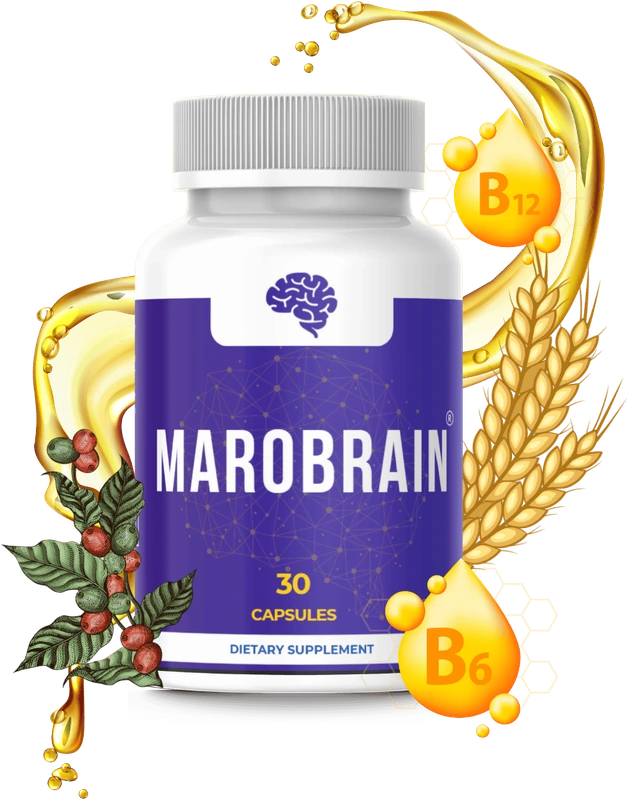
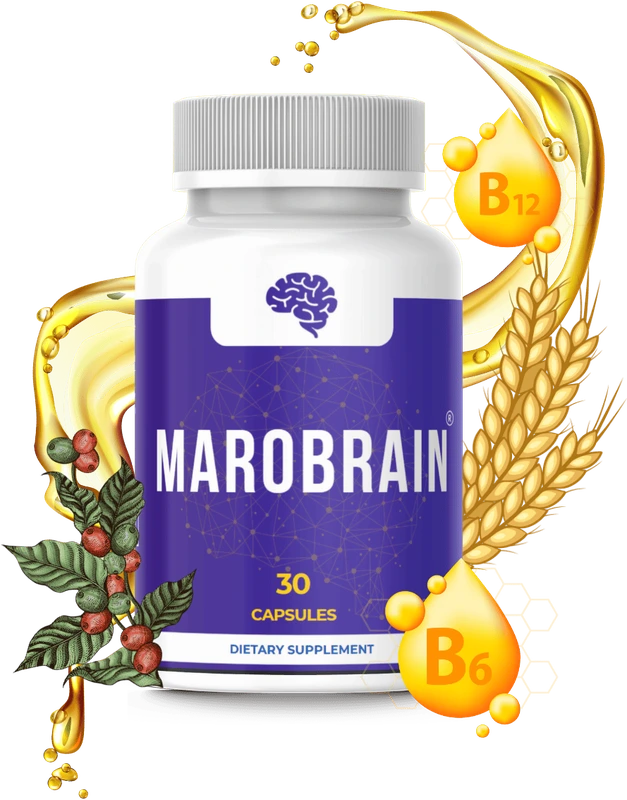
In our Marobrain review, the formula packs seven named nootropic ingredients — Bacopa monnieri, Huperzine-A, Rhodiola rosea, L-Tyrosine, theacrine, theobromine, and caffeine — into a 151 mg proprietary blend. The arithmetic average per ingredient is approximately 21.6 mg. Clinical doses for the key compounds are: Bacopa 300–640 mg, L-Tyrosine 500–2,000 mg, Rhodiola 200–600 mg, theacrine 200 mg, and caffeine 50–400 mg. Only Huperzine-A, effective at 200–400 mcg, can plausibly reach its clinical threshold. For every other ingredient in the blend, the 151 mg total makes clinically meaningful dosing structurally impossible.
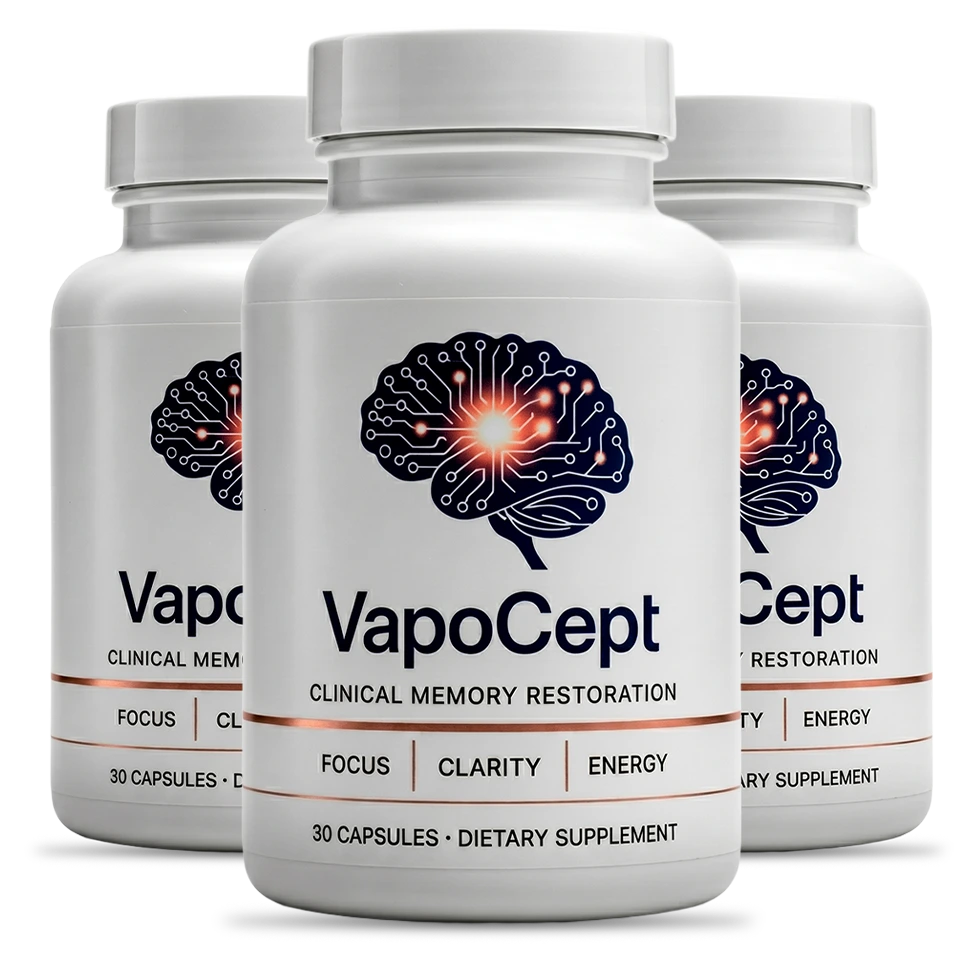
In our VapoCept review, the formula combines Bacopa monnieri, Ginkgo biloba, phosphatidylserine, and an antioxidant complex (vitamin C, lutein, alpha-lipoic acid) in a proprietary blend. Individual ingredient doses are not disclosed on the label. The ingredient selection aligns with published evidence — Bacopa and Ginkgo both have systematic reviews behind them — but without per-ingredient disclosure, verifying whether either reaches its studied threshold is impossible.
The pattern across both products is consistent: real, evidence-backed ingredient selection paired with a proprietary blend format that prevents the buyer from confirming whether any single compound reaches a clinically meaningful dose.
4. Red Flags, Deceptive Marketing, and What to Skip
Watch for these patterns when evaluating a nootropic supplement sales page:
1. “Genius Pill” and “Limitless” Framing
Any product claiming to dramatically enhance intelligence, “unlock hidden brainpower,” or deliver pharmaceutical-grade cognitive enhancement is making claims no dietary supplement can support. The real-world effect of even the best-studied nootropic compounds is modest improvement in specific cognitive domains — sustained attention, working memory under stress, or age-related recall — not a transformative IQ boost. If a sales page references the movie Limitless or implies a similar effect, that’s marketing fiction.
2. Fabricated Neuroscience Terminology
Watch for invented terms like “neural pathway reactivation,” “brain fog flush,” “synapse reconstruction protocol,” or “cognitive cloud technology.” None of these are real mechanisms described in the neuroscience literature. They are manufactured to create a problem the product then claims to solve. Real nootropic mechanisms have precise names — acetylcholinesterase inhibition, AMPK activation, BDNF upregulation — and can be verified in PubMed.
3. Undisclosed Stimulant Stacking
Some nootropic blends include caffeine from multiple sources (green coffee bean, guarana, green tea extract) without disclosing the combined caffeine dose. A buyer who already drinks coffee could unknowingly consume 300–500 mg of total daily caffeine, pushing past the FDA’s 400 mg/day guideline and triggering anxiety, insomnia, or cardiovascular effects. Any product containing caffeine from any source should disclose the total caffeine per serving in milligrams.
4. Unverifiable Formulator Credentials
A sales page crediting a “Dr. Smith” or “leading neuroscientist” without a verifiable name, institutional affiliation, or publication record provides no meaningful authority signal. If the formulator’s credentials cannot be independently confirmed through a university faculty page, published research, or professional licensing database, treat any claim of scientific expertise behind the formula with skepticism.
5. “Clinically Proven” Without Linking to the Trials
Some vendor pages claim “backed by 14 clinical studies” or “scientifically validated” without linking to a single one. A real citation names the journal, the year, and ideally a PMID or DOI you can verify independently — the same standard this guide holds itself to. A study count without links is a marketing prop.
6. Hidden Auto-Ship or Subscription Traps
Confirm the purchase is a one-time payment before checkout. Both nootropic products we’ve reviewed sell through BuyGoods or MaxWeb with explicit one-time purchase terms and 60-day money-back guarantees — a minimum acceptable standard. If a checkout page pre-checks a “subscribe and save” box or buries recurring charges in fine print, walk away.
5. The Buyer’s Decision Framework
Before purchasing any nootropic formula, run it through this five-step check:
- Check Label Transparency: Does the Supplement Facts panel disclose the exact amount of every active ingredient? A proprietary blend with no per-ingredient breakdown means you cannot verify the dose — treat that as a disqualifying factor, not a minor inconvenience.
- Verify Dose Alignment: For each disclosed ingredient, compare the label amount to the clinical range in Section 2. If every disclosed dose sits at 5–15% of the studied range, the formula is decorative rather than functional. Pay special attention to Bacopa (needs 300+ mg), L-Tyrosine (needs 500+ mg), and Rhodiola (needs 200+ mg).
- Do the Capsule Math: A two-capsule serving holds roughly 1,200–1,500 mg of active powder. Count the ingredients and divide. If the formula lists seven compounds in a 150–200 mg blend, the average per ingredient is about 20–30 mg — a fraction of what most nootropic compounds need.
- Assess the Stimulant Load: If the formula contains caffeine (from any source — green coffee bean, guarana, green tea), check the total caffeine per serving. Add it to your daily coffee or tea intake. If the combined total exceeds 400 mg, you’re above the FDA’s guideline for most adults.
- Confirm Buyer Protections: Look for a minimum 60-day money-back guarantee, explicit one-time purchase terms, and a reputable payment processor. Nootropic effects are gradual — most clinical trials measured outcomes at 8–12 weeks — so a 30-day guarantee is too short to evaluate the product fairly.
Where to Go From Here
For the underlying biochemistry — how acetylcholine, dopamine, and cerebral blood flow relate to everyday cognition — read our companion explainer: How Do Memory Support Supplements Actually Work?. For deep dives on individual compounds, explore our ingredient profiles for Bacopa monnieri, Huperzine-A, Rhodiola rosea, L-Tyrosine, Alpha-GPC, Theacrine, and Theobromine. Browse every product we’ve evaluated in the Memory Support Category Hub.
Frequently Asked Questions
What is the single most important number to check on a nootropic supplement label?
The individual milligram dose of each active ingredient. A long, impressive-looking ingredient list means nothing if the doses are sub-clinical or hidden behind a proprietary blend. Compare each disclosed ingredient against the ranges in Section 2 — Bacopa monnieri at 300–640 mg/day, L-Tyrosine at 500–2,000 mg/day, Rhodiola at 200–600 mg/day, and Huperzine-A at 200–400 mcg/day. If the label uses a proprietary blend that hides individual amounts, you cannot perform this comparison at all.
Can a nootropic supplement replace medication for ADHD, Alzheimer’s, or other cognitive conditions?
No. No dietary supplement is approved to diagnose, treat, cure, or prevent any neurological condition, and none of the ingredients in this guide have been studied as replacements for prescribed cognitive medication. Anyone with a diagnosed condition — ADHD, Alzheimer’s disease, vascular dementia, or clinical depression — should manage it under a physician’s care. A nootropic supplement is, at best, a minor adjunct discussed with that physician.
Is it safe to combine a nootropic supplement with other medications?
Several nootropic ingredients have meaningful drug interactions. Huperzine-A inhibits acetylcholinesterase and should not be combined with anticholinergic drugs or cholinesterase inhibitors (donepezil, rivastigmine) without medical supervision. Ginkgo biloba inhibits platelet aggregation and may increase bleeding risk when combined with blood thinners (warfarin, aspirin). Caffeine interacts with numerous medications. Anyone on prescription medication should consult a physician before adding a nootropic supplement.
How long should I take a nootropic supplement before expecting results?
The clinical trials behind the botanical ingredients in this guide — Bacopa, Ginkgo, phosphatidylserine — typically measured cognitive outcomes at 8–12 weeks of consistent daily use, and only at the doses listed in Section 2. Stimulant ingredients (caffeine, theacrine) produce acute effects within 30–60 minutes but are not the same as long-term cognitive support. Any sales page promising dramatic mental improvement in a few days is making a claim the evidence does not support.
Are proprietary blend nootropics always bad?
Not inherently — a proprietary blend is a labeling choice, not a formulation flaw. The problem is that it prevents verification. A nootropic formula could contain full clinical doses behind a proprietary label, but the buyer has no way to confirm it. In a category where most ingredients need hundreds of milligrams to reach their studied dose, and where the total blend is often 150–500 mg, the odds of adequate dosing for more than one compound are mathematically slim. Transparent labeling with individual per-ingredient doses is always preferable.

Sophie covers Cognitive Health supplements for NutrasInsights, checking label doses against the published research before any product earns a recommendation.