Weight Management Trends 2026: The GLP-1 Halo Effect, Gummy Formats, and the Dosing Gap Nobody Talks About
Published September 23, 2026 · By Theo Marchetti
At a Glance
The weight management supplement market in 2026 is being reshaped by three converging forces: the GLP-1 medication boom that rewired consumer expectations overnight, a rapid shift toward gummy delivery formats that physically cannot carry clinical-level ingredient doses, and mounting regulatory pressure for full label transparency. The result is a category where marketing language has outpaced the science by a wide margin — and where informed buyers need to understand the structural constraints before they shop.
1. The GLP-1 Halo Effect: How Prescription Drugs Rewrote Supplement Marketing
The meteoric rise of semaglutide (Ozempic, Wegovy) and tirzepatide (Mounjaro) since 2023 did something no supplement marketing campaign ever could: it made the general public fluent in metabolic biochemistry. Millions of consumers who previously thought of weight management as "eat less, move more" now understand — at least at a headline level — that hormonal pathways like GLP-1 signaling play a fundamental role in appetite regulation and metabolic rate.
Supplement manufacturers noticed. By mid-2025, the phrase "natural GLP-1 support" had become the single most common positioning claim in the metabolism support category. Berberine — a plant alkaloid with genuine clinical evidence for modest metabolic benefits — was rebranded almost overnight as "Nature's Ozempic" across social media and vendor sales pages.
The problem is one of magnitude. Randomized controlled trials show berberine at 1,500 mg/day produces roughly 1–3% body weight reduction over 12 weeks (Xu et al., JAMA Network Open). Semaglutide at the 2.4 mg Wegovy dose produces 12–15% over a similar window — five to ten times the effect. Both compounds are real; the marketing framing that equates them is not.
This matters because the "GLP-1 halo" creates an expectation gap. Consumers arrive at a supplement sales page primed by prescription-drug results, encounter language designed to bridge the two, and end up evaluating a 40 mg berberine gummy against a mental benchmark set by injectable semaglutide. The mechanism is real; the implied equivalence is marketing.
2. The Gummy Format Boom — and Its Structural Dosing Ceiling
Gummy supplements now account for nearly 29% of new product launches in the weight management space, up from roughly 18% in 2023. The appeal is obvious: better taste, no pill fatigue, strong social-media aesthetics, and higher compliance rates among younger consumers. Industry projections put the global gummy supplement market on track to exceed $42 billion by 2030.
But gummies have a physics problem that no amount of flavoring can solve. A standard gummy weighs 3–5 grams total, and most of that mass is gelatin (or pectin), sweetener, and coating. The payload available for active ingredients is typically 200–600 mg — total, across all actives combined.
Now consider the clinical evidence for the most common metabolism-support ingredients:
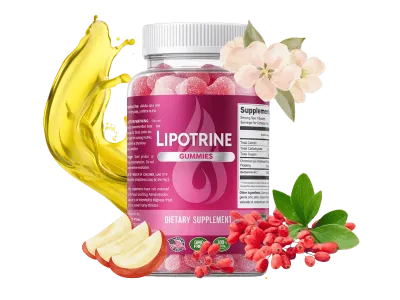
- Berberine: Randomized trials use 500–1,500 mg/day. A gummy delivering 40 mg of berberine — as we documented in our Lipotrine review — provides roughly 2.7% of the minimum studied dose.
- Cinnamon bark extract: Clinical studies use 120–6,000 mg/day. The 28 mg delivered in a single gummy format sits well below the lower bound.
- Chromium picolinate: Studied at 200–1,000 mcg/day for insulin sensitivity effects. At 25 mcg per gummy, you would need 8–40 gummies daily to reach the studied range.
This is not an indictment of gummies as a format — they work well for nutrients needed in microgram quantities (vitamin D, B12, melatonin). It is a structural observation: when a formula requires milligram-scale botanical doses to match its clinical citations, the gummy format forces a compromise that vendors rarely disclose.
For a deeper look at the metabolic pathways these ingredients target and the doses required to meaningfully engage them, see our Metabolism Support Explained guide.
3. Proprietary Blends vs. Full Transparency: The Label War
The third defining trend of 2026 is the accelerating consumer backlash against proprietary blends — and the regulatory pressure reinforcing it. Industry surveys indicate that 39% of supplement consumer complaints now center on label transparency, and over 50% of new launches feature clean-label certifications.
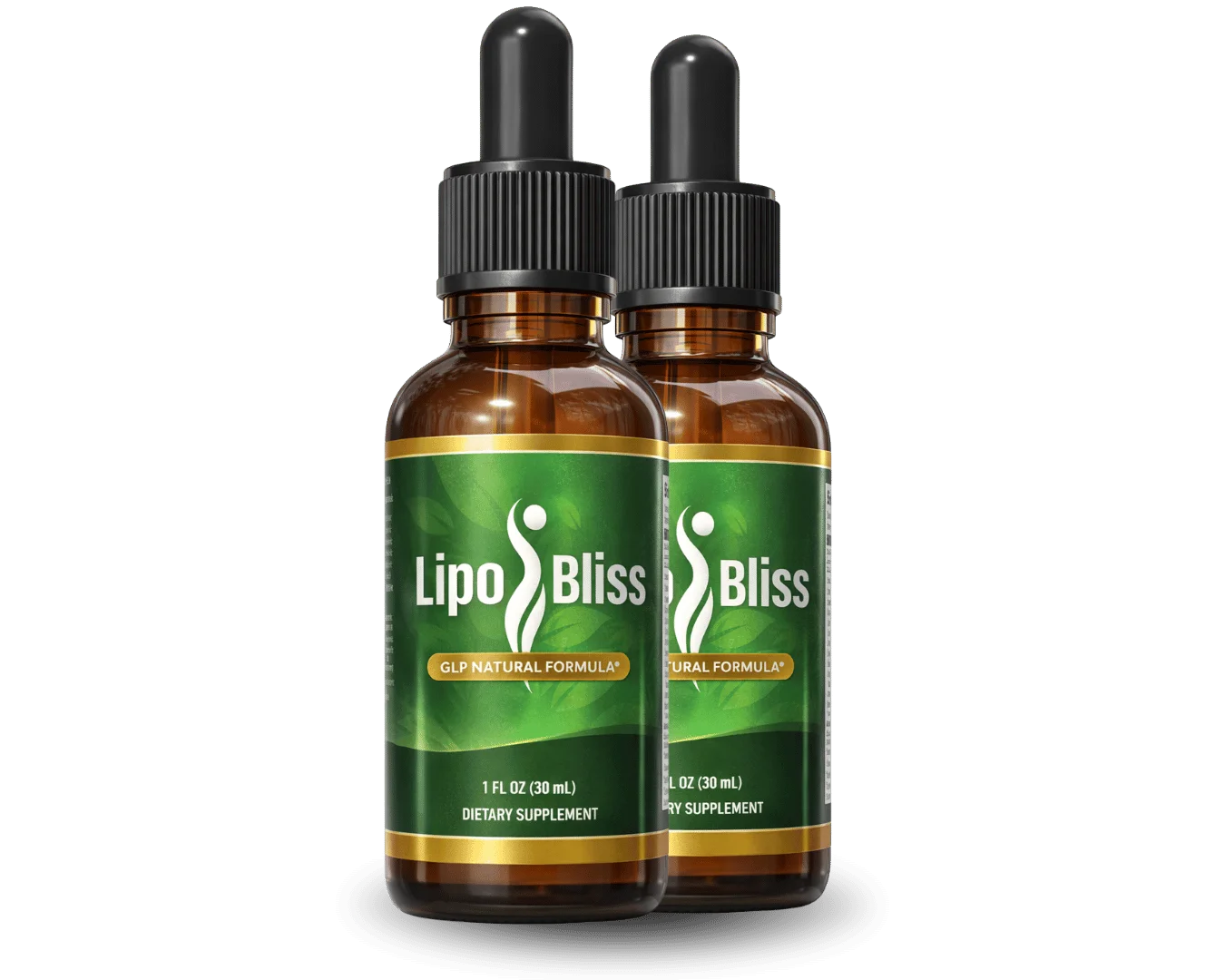
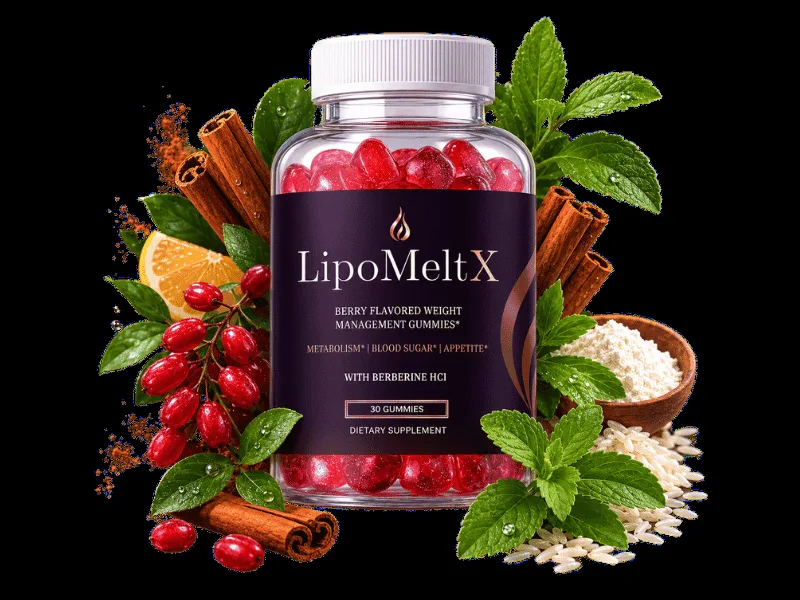
In the metabolism-support sub-category, the transparency spectrum is wide. At one end, formulas like Lipotrine disclose every milligram on their Supplement Facts panel — even when those milligrams reveal uncomfortably low doses. At the other end, formulas like LipoBliss wrap eight ingredients inside a 200 mg proprietary blend, making it impossible to verify whether any single compound reaches a meaningful threshold. And formulas like LipoMeltX list six ingredient categories without disclosing individual doses at all.
Here is the editorial position we have arrived at after reviewing every metabolism-support formula in our pipeline: full label transparency is not sufficient — but it is necessary. A product that discloses 40 mg of berberine is still under-dosed, but at least you can evaluate it. A product that hides behind a "Metabolic Support Complex" gives you nothing to evaluate except marketing copy.
The FTC's increased enforcement activity around structure/function claim substantiation in 2025–2026 is pushing the market in the right direction. Vendors who lead with transparency are earning higher consumer trust and repurchase rates — even when their disclosed doses reveal the gap between marketing and clinical evidence.
4. What the Evidence Actually Supports
Amid the marketing noise, certain ingredients do have meaningful clinical backing for metabolic support — when dosed adequately:
- Berberine (1,500 mg/day): A 2025 meta-analysis across randomized controlled trials confirmed significant reductions in BMI (0.6–1.3 points), waist circumference, triglycerides (23% decrease), and LDL cholesterol over 12–24 week interventions (European Journal of Medical Research, 2025). The mechanism involves AMPK activation — a genuine metabolic pathway, not marketing shorthand.
- Green tea extract (EGCG, 400–500 mg/day): Modest but consistent evidence for thermogenic support and fat oxidation when the catechin content is standardized and the dose is adequate.
- Chromium picolinate (200–1,000 mcg/day): Evidence supports a role in insulin sensitivity at therapeutic doses, though weight loss effects are secondary and small.
The common thread: every one of these compounds requires doses that are difficult or impossible to deliver in a single daily gummy. Capsule and liquid formats remain the only realistic delivery methods for clinical-dose metabolic support.
5. What This Means for Buyers in 2026
If you are evaluating metabolism-support supplements this year, three principles will protect you from the widest marketing gaps:
- Separate the GLP-1 framing from the supplement evidence: Berberine is a legitimate compound with real clinical data. It is not "Nature's Ozempic." If a vendor's positioning depends on that equivalence, treat the rest of their claims with proportional skepticism.
- Check the format against the dose: Before buying any gummy metabolism formula, look at the Supplement Facts panel. If a single gummy claims to deliver clinically effective doses of berberine, cinnamon, and chromium simultaneously, the math does not work — and a vendor who implies otherwise is counting on you not checking.
- Demand full milligram disclosure: A proprietary blend is a promise you cannot verify. If the vendor is confident in their formula, every ingredient amount will be on the label.
For independent, dose-verified reviews of specific metabolism-support formulas, visit our Metabolism Support Category Hub and read the individual analyses linked there.

Theo Marchetti is a staff editor at NutrasInsights focused on Weight Management. Theo researches ingredient evidence, compares label doses against the studies vendors cite, and writes up the findings in plain language so readers can judge a product on the science rather than the sales page.