Joint & Nerve Mobility Trends 2026: Why Formulas Are Ditching Generic Glucosamine for Neuro-Vascular Support
Published September 15, 2026 · By Julian Bellamy
At a Glance
The joint health market in 2026 is undergoing a major structural shift. Consumer fatigue with generic glucosamine-chondroitin blends—which frequently failed to address radiating leg aches or burning sensations—has catalyzed demand for multi-pathway formulas. Brands are increasingly targeting microvascular perfusion, oxidative neuro-stress, and peripheral nerve pathways, while facing rising regulatory pressure to eliminate undisclosed proprietary blends.
1. The Demise of the 1990s Glucosamine-Only Paradigm
For nearly three decades, the retail joint health aisle was dominated by a single, repetitive blueprint: large horse pills containing 1,500 mg of glucosamine hydrochloride paired with chondroitin sulfate. While originally hailed as a revolutionary approach to cartilage preservation, long-term human clinical trials—most notably the landmark National Institutes of Health (NIH) GAIT study—revealed that generic glucosamine provided modest, inconsistent benefits for the broad population of adults experiencing daily mobility stiffness.
By 2026, consumer patience with legacy formulas has largely eroded. Millions of aging adults dutifully swallowed glucosamine for years only to find that their discomfort persisted—particularly in the lower back, knees, and distal extremities. The fundamental flaw was not that cartilage support is useless, but rather that joint discomfort rarely exists in a vacuum. Discomfort often stems from a complex intersection of synovial inflammation, microvascular restriction, and peripheral nerve sensitization.
2. The Neuro-Vascular Convergence: Why Nerves and Joints Share the Same Pain Pathways
The defining innovation of the 2026 nutraceutical landscape is the clinical recognition of the neuro-vascular axis in mobility. Orthopedic research has increasingly demonstrated that as joint spaces narrow with age, the microscopic capillaries supplying the surrounding synovial membranes and neighboring nerve bundles (such as the sciatic and tibial branches) experience chronic compressive and oxidative stress.
When these tiny microvessels—the vasa nervorum—suffer reduced perfusion, sensory nerve fibers begin misfiring. What consumers perceive as "knee arthritis" or "hip stiffness" is frequently a hybrid state where joint wear is magnified by peripheral nerve hyper-excitability, tingling in the calves, or burning sensations in the soles of the feet at night.
As a result, modern formulators are moving away from passive structural building blocks toward active neuro-protective and microvascular compounds. Leading formulations now incorporate therapeutic antioxidants like alpha-lipoic acid (ALA) to reduce reactive oxygen species, bioavailable benfotiamine to protect capillary endothelial lining, and targeted botanicals such as Butcher's Broom (Ruscus aculeatus) and Passionflower to support venous return and calm agitated nerve signaling.
3. Clean Labels and the Backlash Against Proprietary Blends
Parallel to scientific evolution is a dramatic consumer revolt against opaque labeling. Throughout the 2010s and early 2020s, supplement manufacturers frequently hid sub-therapeutic dosages behind "Proprietary Joint Complexes." A vendor could boast that their product contained alpha-lipoic acid, turmeric, and boswellia, yet allocate only 400 mg total across all five ingredients—rendering every compound clinically inert.
In 2026, increased regulatory enforcement by the Federal Trade Commission (FTC) regarding structure/function substantiation, combined with tech-enabled consumer label analysis, has shifted market share decisively toward 100% transparent dosing.
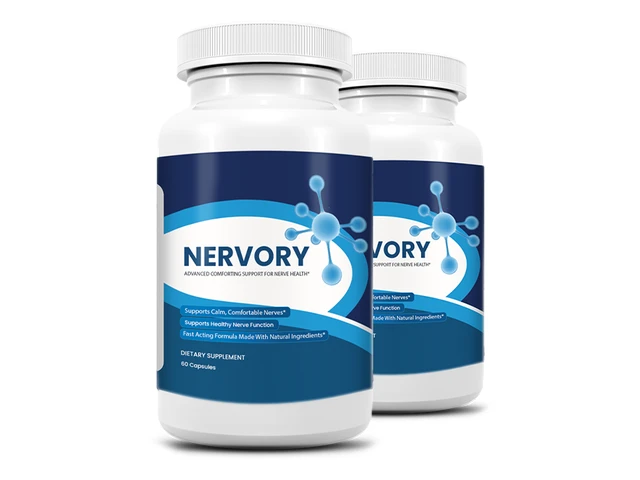
Consumers are actively favoring brands that disclose every exact milligram on their Supplement Facts panels, such as our reviewed standout Nervory, which avoids proprietary blends entirely. When consumers can verify that active ingredients meet peer-reviewed clinical benchmarks, trust and repurchase rates rise substantially.
4. What This Means for Buyers in 2026
If you are re-evaluating your joint and mobility routine this year, keep three evidence-based principles at the forefront of your purchasing decisions:
- Differentiate Between Mechanical and Sensory Discomfort: If your symptoms include tingling, electric twinges, numbness, or nighttime burning in addition to stiffness, a standard joint pill will likely disappoint. You require targeted neuro-vascular support.
- Demand Complete Label Transparency: Never purchase a formula that conceals active ingredients behind a proprietary blend. If a brand is proud of its formulation, individual milligrams will be listed openly.
- Prioritize Microvascular Circulation: Look for formulas that support blood flow to extremities via vascular botanicals and cellular antioxidants, ensuring active nutrients actually reach deprived peripheral nerve endings.
To see how commercial formulas stack up under independent laboratory and label scrutiny, consult our Nerve Support Formulas Category Hub and read our comprehensive clinical analysis in Nerve Support Formulas Explained.
Related: Nervory
Our top-rated nerve support formula with 100% transparent botanical labeling, zero proprietary blends, and clinically backed microvascular cofactors.

Julian is a staff editor at NutrasInsights focused on Joint & Mobility. He researches ingredient evidence and compares label doses against the studies vendors cite before any product earns a recommendation.