Energy & Vitality Trends 2026: The Adaptogen Surge, the NAD+ Gamble, and Why Clinical Doses Still Don't Fit in a Gummy
Published October 19, 2026 · By Owen Fitzgerald
At a Glance
The energy and vitality supplement market is projected to reach $48.3 billion in 2026, driven by three overlapping waves: adaptogens moving from niche wellness shelves to mainstream retail, NAD+ precursors pivoting their marketing from longevity to daily energy despite limited human trial data, and a booming caffeine-alternatives segment that often repackages under-dosed botanicals as "clean energy." Meanwhile, the gummy format's structural dosing ceiling remains the category's elephant in the room — most adaptogen ingredients require hundreds of milligrams that a 4-gram gummy simply cannot deliver.
1. The Adaptogen Mainstreaming: Ashwagandha, Rhodiola, and Cordyceps Go Mass-Market
Five years ago, ashwagandha was a specialty-store ingredient that most consumers couldn't pronounce. In 2026, it anchors energy formulas at every major U.S. retailer, and the adaptogen energy shot market alone has grown to $2.21 billion — up from $2.01 billion in 2025, reflecting a 9.5% annual growth rate.
The clinical picture for ashwagandha is genuinely promising — within limits. A 2025 systematic review covering 11 systematic reviews and 151 original studies across 9,005 participants found that ashwagandha supplementation at 300–600 mg/day of root extract (standardized to withanolides) produced significant improvements in VO2max, muscular strength, and self-reported fatigue, with a high probability of clinically meaningful effects (Bonilla et al., Quality in Sport, 2025). Additional meta-analytic data confirmed improvements in time to exhaustion, lean body mass, and testosterone levels.
Rhodiola rosea tells a more cautious story. A systematic review of 11 trials found that two of six studies on physical fatigue and three of five on mental fatigue reported meaningful benefits at doses of 200–600 mg/day (Ishaque et al., BMC Complementary and Alternative Medicine, 2012). However, all included studies exhibited either high risk of bias or reporting flaws, and the heterogeneity of outcome measures made meta-analysis impossible. Promising, but not yet settled.
Cordyceps militaris — the mushroom extract that dominates "natural energy" marketing on social media — sits somewhere in between. A 2026 narrative review in Nutrients acknowledged improved time-to-exhaustion in some trials (roughly 70 seconds in one study using a multi-mushroom blend) but noted that small sample sizes, heterogeneous protocols, and inconsistent results across trained vs. untrained populations prevent firm conclusions (Nutrients, 2026). The evidence exists, but it is thinner than the marketing suggests.
Here is the pattern: ashwagandha has the deepest evidence base, rhodiola has plausible but methodologically shaky support, and cordyceps is still building its case. All three get marketed with the same confident "clinically proven" language.
2. NAD+ Precursors: The Longevity-to-Energy Pivot
Nicotinamide mononucleotide (NMN) and nicotinamide riboside (NR) — the two NAD+ precursors that dominate the longevity supplement aisle — have quietly shifted their marketing positioning in 2026. Where early adopters bought these compounds hoping to slow aging, the mass-market pitch now centers on "cellular energy," "mitochondrial support," and "daily vitality."
The repositioning makes biochemical sense on paper: NAD+ is a fundamental coenzyme in mitochondrial energy production. As NAD+ levels decline with age, so does the efficiency of the electron transport chain. Supplementing with precursors raises measurable blood NAD+ levels — a 2024 Japanese clinical trial confirmed that 250 mg/day of NMN for 8 weeks significantly increased NAD+ in peripheral blood mononuclear cells (Endocrine Journal, 2024).
The disconnect is between the biomarker and the outcome. A 2025 systematic review and meta-analysis of eight randomized controlled trials — 342 participants total, dosages ranging from 250 to 2,000 mg/day over 14 days to 12 weeks — found no significant improvements in fasting glucose, fasting insulin, glycated hemoglobin, insulin resistance markers, or lipid profiles (NAD+ Precursor Meta-Analysis, 2025). The metabolic claims that underpin most "energy" marketing for NMN remained unsubstantiated in aggregate data.
This is the recurring gap in NAD+ supplement marketing: raising a biomarker is not the same as delivering a felt benefit. Consumers buying a $60–120/month NMN supplement for "daily energy" are paying for a biochemically plausible hypothesis with measurable intermediate effects but no demonstrated endpoint in human trials.
3. Caffeine Alternatives: Clean Energy or Clean Marketing?
The global caffeine alternatives market was valued at $2.98 billion in 2025 and is projected to reach $5.42 billion by 2031 at a 10.5% CAGR. The consumer demand is real: an increasing number of buyers want sustained energy without the jitters, crashes, and sleep disruption that come with high-dose caffeine.
The most common "caffeine alternative" ingredients in 2026 energy supplements include L-theanine (often stacked with low-dose green tea caffeine), guayusa extract, yerba mate, and mushroom-based formulas (lion's mane, cordyceps, reishi). The better-designed products combine a modest caffeine dose (40–80 mg, roughly the equivalent of half a cup of coffee) with L-theanine at a 1:2 caffeine-to-theanine ratio — a stack with genuine clinical support for sustained alertness without anxiety.
The problem is that many products marketed as "caffeine-free energy" are actually either: (a) delivering caffeine from a botanical source and simply not calling it caffeine, or (b) replacing caffeine with adaptogens and nootropics at doses far below what clinical trials tested. A cordyceps gummy marketed as a "clean energy replacement for coffee" that delivers 100 mg of cordyceps extract per gummy — when trials used 1,000–4,000 mg/day — is not a caffeine alternative. It is a marketing position.
The honest framing: the L-theanine + moderate-caffeine combination has real evidence. Everything else in the "caffeine alternative" category requires dose scrutiny before you can evaluate it against the claims.
4. Respiratory Support: The Subcategory Nobody Expected
One of the more interesting structural shifts in the energy and vitality space is the emergence of respiratory support as a distinct supplement subcategory. Products targeting airway comfort, mucosal health, and breathing efficiency have grown from a niche corner of the market into a recognized segment — driven partly by post-pandemic health awareness and partly by an aging population increasingly concerned about baseline respiratory function.
The ingredients in this space — N-acetylcysteine (NAC), vitamin D, quercetin, elderberry, and Pelargonium sidoides — operate through different mechanisms than traditional "energy" ingredients. Rather than stimulating metabolism or modulating stress hormones, they target mucosal integrity, antioxidant defense in lung tissue, and normal immune surveillance in the respiratory tract. The connection to vitality is indirect but real: breathing efficiency is foundational to energy levels, and compromised respiratory function is one of the most common yet overlooked contributors to chronic fatigue.
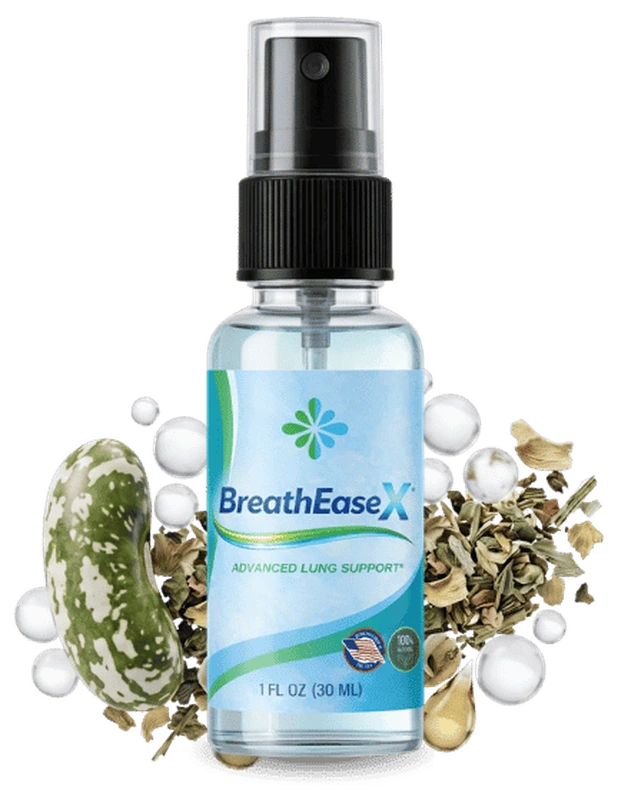
We have reviewed one formula in this space — BreathEaseX — and documented both the genuine clinical evidence behind its ingredient class and the transparency limitations of its proprietary blend. For a deeper look at the mechanisms and dose thresholds across the respiratory-support ingredient landscape, see our Respiratory Support Explained guide.
5. The Gummy Dosing Problem — Again
The gummy format constraint we documented in our Weight Management Trends 2026 analysis applies with equal force to the energy and vitality category — arguably more so, because the clinical doses for adaptogens and energy botanicals are among the highest in the supplement world.
Consider the clinical evidence thresholds for the category's most marketed ingredients:
- Ashwagandha root extract: Clinical trials use 300–600 mg/day (standardized to ≥5% withanolides). A gummy delivering 50–100 mg cannot match these levels.
- Rhodiola rosea extract: Studied at 200–600 mg/day. Under-dosing below the lower bound renders the ingredient decorative.
- Cordyceps militaris extract: Trials typically use 1,000–4,000 mg/day. A gummy format physically cannot deliver the lower end of this range.
- CoQ10: A 2022 meta-analysis of 13 RCTs (1,126 participants) found significant fatigue reduction at 100–300 mg/day, with higher doses and longer treatment durations correlating with greater effect sizes (Tsai et al., Frontiers in Pharmacology, 2022). A 2025 follow-up across 24 studies showed that while supplementation reliably raised blood CoQ10 levels, exercise performance benefits were small and inconsistent — and chronic supplementation effects disappeared after excluding statistical outliers.
- NMN: Human trials use 250–2,000 mg/day. Even capsule formats struggle to deliver the upper end of this range affordably.
A standard gummy weighing 3–5 grams has a total active payload of 200–600 mg across all ingredients combined. When a label claims to deliver clinically relevant doses of ashwagandha, CoQ10, and B-vitamins in a single gummy, the arithmetic does not work. The gummy format is excellent for ingredients needed in microgram quantities — vitamin D, B12, melatonin. For milligram-scale botanicals and coenzymes, capsules and powders remain the only honest delivery method.
6. What the Evidence Actually Supports
Amid the category's marketing noise, several ingredients do have meaningful clinical backing for energy-related outcomes — when dosed adequately:
- Ashwagandha (300–600 mg/day, root extract): The most robust adaptogen evidence base. Bayesian meta-analysis shows high probability of meaningful effects on fatigue, VO2max, and strength. The mechanism involves modulation of the HPA axis and cortisol regulation — real pathways, not marketing shorthand.
- L-theanine + caffeine (100–200 mg theanine, 40–80 mg caffeine): Consistent evidence for sustained alertness, improved attention, and reduced anxiety compared to caffeine alone. The synergy is genuine and well-replicated.
- CoQ10 (100–300 mg/day): Meaningful evidence for fatigue reduction, particularly in populations with baseline CoQ10 depletion (statin users, older adults). Exercise performance effects are modest and inconsistent in healthy younger adults.
- Rhodiola rosea (200–600 mg/day): Plausible evidence for anti-fatigue effects, but methodological limitations prevent confident conclusions. Worth monitoring as new trials emerge.
- Iron (when deficient): The most evidence-based energy intervention that supplements can deliver — yet the one least marketed in the energy category. Iron deficiency is the single most common nutritional deficiency worldwide and one of the leading correctable causes of fatigue, particularly in women of reproductive age. If you are fatigued and have not had your ferritin checked, that blood test will likely tell you more than any supplement label.
7. What This Means for Buyers in 2026
If you are evaluating energy and vitality supplements this year, four principles will help you separate the evidence from the noise:
- Check the dose before the ingredient: Ashwagandha at 600 mg is a different product than ashwagandha at 50 mg, even though both can legally appear on a Supplement Facts panel. The ingredient name is meaningless without the dose.
- Be skeptical of format miracles: If a gummy claims to deliver clinical doses of three adaptogens plus a B-vitamin complex, the physics of a 4-gram gummy says otherwise. Format matters as much as formulation.
- Separate the biomarker from the benefit: "Raises NAD+ levels" is a measurable intermediate outcome. "Gives you more energy" is a claimed endpoint that the same trials did not demonstrate. These are different statements with very different evidence requirements.
- Rule out the basics first: Iron deficiency, poor sleep, dehydration, and unmanaged stress are the four most common causes of low energy — and no adaptogen stack will override any of them. Supplements can support energy; they cannot replace the fundamentals.
For independent, dose-verified reviews of specific energy and vitality formulas, visit our Energy & Vitality Department Hub and read the individual analyses linked there.

Owen Fitzgerald is a staff editor at NutrasInsights focused on Energy & Vitality. Owen researches ingredient evidence, compares label doses against the studies vendors cite, and writes up the findings in plain language so readers can judge a product on the science rather than the sales page.