Prostate Support Buying Guide (2026): Clinical Doses, Proprietary Blend Math, and What to Skip
Updated October 10, 2026 · By Marcus Reid
At a Glance
Evaluating a prostate support supplement comes down to two questions: does the formula contain botanicals with genuine clinical trial evidence, and can you verify whether each ingredient reaches its studied effective dose? The five most-researched prostate botanicals are saw palmetto (320 mg/day liposterolic extract), pygeum africanum (100–200 mg/day), beta-sitosterol (60–130 mg/day), stinging nettle root (600 mg/day), and pumpkin seed extract. All three products we have reviewed in this cluster use proprietary blends that prevent dose verification—a recurring transparency gap buyers must understand before committing.
1. Why the Prostate Supplement Market Demands Your Skepticism
Prostate-related urinary changes are among the most common health concerns for men over 40. By some estimates, benign prostatic changes affect roughly 50% of men between ages 51 and 60, and the percentage climbs further with each decade. The experience is familiar: more frequent bathroom trips during the day, urgency that disrupts sleep at night, a stream that feels weaker than it used to. This near-universal concern has generated one of the largest supplement subcategories in the men's health market.
That market size attracts both legitimate formulators and opportunistic vendors. The legitimate ones assemble clinically studied botanicals at meaningful doses. The opportunistic ones pack marketing-friendly ingredient names into underdosed proprietary blends, invent pseudoscientific mechanisms like "toxic mineral buildup in the prostate," and lean on emotional urgency to drive purchases.
Before spending money on any prostate supplement, understand the biological reality: age-related prostate changes involve gradual tissue growth driven by hormonal metabolism (primarily DHT via 5-alpha-reductase), chronic low-grade inflammation, and oxidative stress. Dietary supplements cannot shrink a clinically enlarged prostate, treat diagnosed benign prostatic hyperplasia (BPH), or replace physician-directed care. What well-formulated supplements can do is provide phytotherapeutic and micronutrient support for normal urinary comfort and healthy prostate function—but only when the active compounds are present at clinically relevant concentrations.
2. The Key Ingredients: What Clinical Trials Actually Validate
When reviewing a Supplement Facts panel for a prostate formula, disregard marketing language and look exclusively for compounds with published, peer-reviewed clinical trial support in human subjects. Here are the core nutrients that have demonstrated meaningful efficacy, along with the daily dosage thresholds required to match clinical outcomes:
Saw Palmetto (Serenoa repens): The Category Standard
Saw palmetto is the most extensively studied botanical for prostate and urinary support. A 1998 JAMA systematic review of 18 randomized controlled trials involving 2,939 men found that saw palmetto improved urinary symptom scores and reduced nocturia compared with placebo. The dose used in the majority of positive trials is 320 mg per day of standardized liposterolic extract.
However, the evidence is not one-directional. The CAMUS trial tested escalating doses from 320 mg up to 960 mg over 72 weeks without finding significant improvement over placebo, and a 2006 NEJM trial at 160 mg twice daily likewise found no significant benefit. These conflicting results underscore a critical point: saw palmetto's effects are dose-sensitive and possibly extraction-method-dependent. A 10:1 dried-berry extract is not the same as the standardized liposterolic extract used in the JAMA-reviewed trials. When a product lists "Saw Palmetto Berries 10:1 Extract" rather than a standardized liposterolic extract, the clinical equivalence is unverified.
Pygeum Africanum: The Strongest Systematic Review Evidence
Pygeum africanum bark has the cleanest systematic review evidence in the prostate botanical category. A Cochrane-level meta-analysis of 18 RCTs involving 1,562 men found that pygeum users were more than twice as likely to report symptom improvement, with nocturia reduced by 19% and peak urine flow increased by 23%. The standard effective dose is 100 mg daily (or 50 mg twice daily) of standardized bark extract.
Beta-Sitosterol: Clean Dose-Response Data
Beta-sitosterol (plant sterol complex) has some of the most straightforward clinical data. A randomized, placebo-controlled trial with 200 BPH patients found that 60 mg of beta-sitosterol daily significantly improved urinary symptom scores and peak flow. The German BPH-Phyto Study used 130 mg of free beta-sitosterol daily with similar results. A Cochrane systematic review of 4 RCTs with 519 men found beta-sitosterol improved the International Prostate Symptom Score by a weighted mean difference of -4.9 points—a clinically meaningful improvement.
Stinging Nettle Root (Urtica dioica)
A randomized double-blind study of 100 BPH patients tested stinging nettle root at 600 mg daily (two 300 mg capsules, twice daily) over 8 weeks and found significant symptom relief versus placebo. A separate multicenter trial found a saw palmetto–nettle root combination effective for long-term lower urinary tract symptom management. The clinical dose of 600 mg represents a substantial ingredient payload.
Pumpkin Seed Extract (Cucurbita pepo)
A randomized, double-blind trial of 47 BPH patients found pumpkin seed extract improved the International Prostate Symptom Score. Pumpkin seed contains delta-7-sterols and fatty acids that may support healthy bladder muscle tone. While the evidence base is thinner than for saw palmetto or pygeum, it represents a genuinely researched ingredient in prostate formulas.
Anti-Inflammatory and Antioxidant Compounds
Several prostate formulas now include anti-inflammatory compounds beyond the traditional phytosterol core:
- Quercetin — 500 mg twice daily reduced chronic prostatitis symptom scores from 21.0 to 13.1 in a double-blind RCT, with 67% of participants achieving meaningful improvement. The clinical dose of 1,000 mg/day is substantial.
- Pomegranate extract — polyphenol-rich antioxidant studied for prostate-localized cellular defense and healthy PSA kinetics. Typical study doses range from 500 to 1,000 mg/day.
- Lycopene — demonstrated antiproliferative and antioxidant effects in prostate cell models.
- Curcumin and Boswellia — address the NF-kB and 5-LOX inflammatory pathways implicated in prostatic inflammation, but require 500–2,000 mg/day with bioavailability enhancers to reach therapeutic levels.
Micronutrient Cofactors
The prostate accumulates the highest zinc concentration of any soft tissue in the body, and zinc levels decline measurably in prostatic tissue under stress. Selenium is a cofactor in antioxidant selenoproteins—the Nutritional Prevention of Cancer Trial studied 200 mcg daily. Note that the SELECT trial later found no prostate cancer risk reduction from selenium supplementation and a possible increase from vitamin E—a reminder that more is not always better with micronutrients.
3. The Proprietary Blend Trap: Capsule Math vs Clinical Reality
The single most widespread issue in the prostate supplement category is the use of proprietary blends. A proprietary blend groups multiple ingredients under a single collective milligram total, allowing the vendor to conceal the exact amount of each constituent compound.
To understand why this matters so much for prostate formulas specifically, consider the arithmetic:
- A standard "size 00" capsule holds approximately 600 to 750 mg of active powdered material.
- If a daily serving is two capsules, the absolute maximum total ingredient weight is around 1,200 to 1,500 mg.
- To simultaneously deliver clinical doses of saw palmetto (320 mg), pygeum (100 mg), beta-sitosterol (60 mg), stinging nettle root (150 mg of 4:1 extract), and quercetin (1,000 mg), the required payload exceeds 1,630 mg—before adding zinc, selenium, or any supporting botanicals.
When a manufacturer packs 10 ingredients into a 400 mg proprietary blend—as we observed during our ProstaFense review—or 18 ingredients into an undisclosed total inside two capsules—as we found in our ProstaPeak review—it is mathematically implausible that any individual ingredient reaches its studied effective dose. The vendor can legally highlight saw palmetto on the front label, but inside the capsule, the actual quantity may be a fraction of the 320 mg liposterolic extract that produced results in clinical trials.
What the Three Products We Reviewed Reveal
Across the three prostate support supplements we have reviewed to date, a consistent pattern emerges:
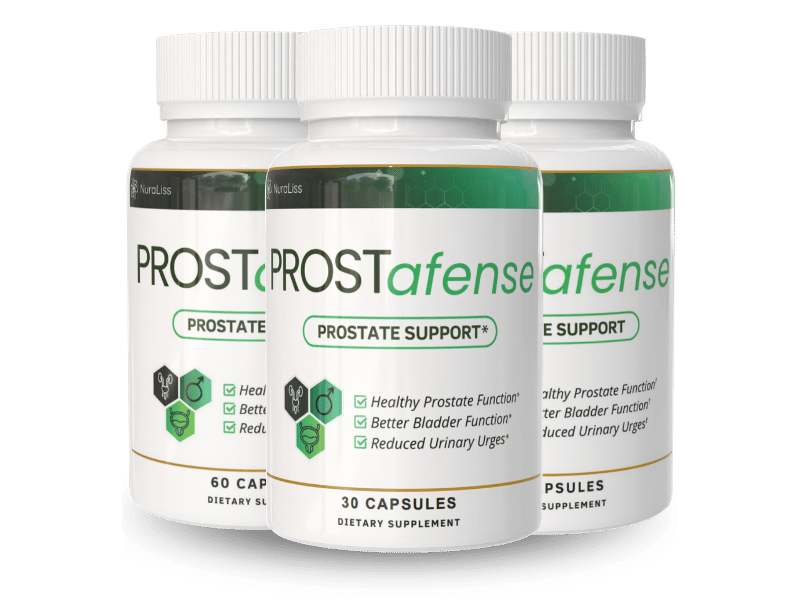
- ProstaFense: 400 mg proprietary blend split across 10 botanical extracts. Even if saw palmetto is the largest-proportion ingredient, reaching 320 mg within a 400 mg blend shared with nine other extracts is not possible. Only the micronutrients are individually dosed: selenium 70 mcg, zinc 5 mg (as zinc oxide—a less bioavailable form than zinc picolinate or citrate). Read our full review →
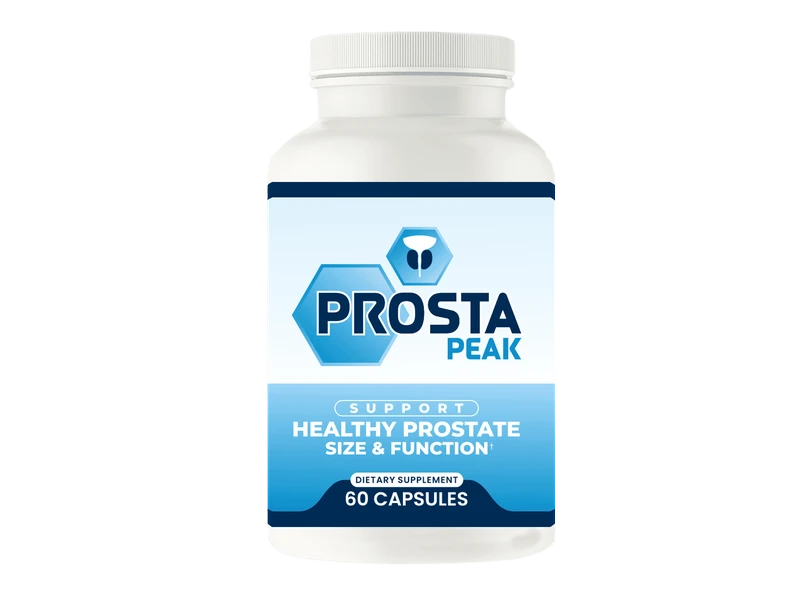
- ProstaPeak: 18 named ingredients in a proprietary blend with no individual doses disclosed. Even assuming a generous 1,200 mg total capsule payload, dividing that among 18 ingredients yields an average of roughly 67 mg each—well below the clinical threshold for saw palmetto (320 mg), quercetin (1,000 mg), or curcumin (500+ mg). Read our full review →
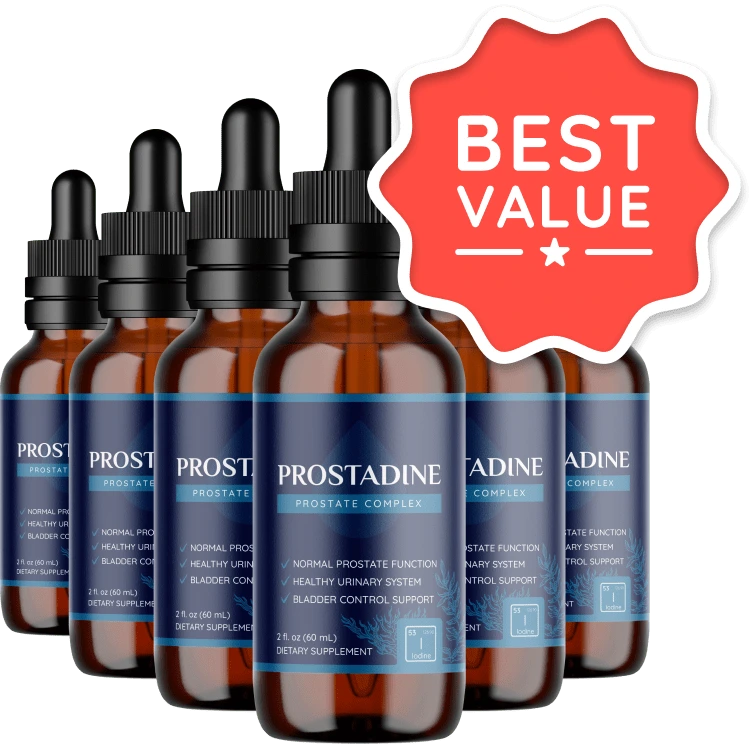
- Prostadine: Liquid dropper format (2 mL per day) with 9 ingredients including saw palmetto, pomegranate, shilajit, neem, and four marine algae extracts. A 2 mL liquid serving has a limited dissolved-solids payload. While the liquid format may offer faster oral absorption, the total active ingredient mass deliverable in 2 mL is constrained. Read our full review →
This is not a flaw unique to these three brands—it is the structural reality of proprietary blends in the prostate supplement category. The vendor saves money on expensive standardized extracts, and the buyer cannot verify what they are actually ingesting.
4. Capsule vs Liquid: Does Delivery Format Matter?
Prostate supplements come primarily in two formats: capsules and liquid droppers. Each has trade-offs worth understanding:
- Capsules (two-capsule daily serving): Most common format. A two-capsule serving can hold 1,200–1,500 mg of active ingredients—enough to deliver clinical doses of two or three well-chosen botanicals, but not enough to cover 10–18 ingredients at meaningful amounts. The advantage is straightforward compliance and shelf stability.
- Liquid droppers (1–2 mL daily serving): Offer sublingual or oral absorption that bypasses first-pass liver metabolism for certain compounds, potentially improving bioavailability. The limitation is total dissolved-solids capacity: a 2 mL dropper physically cannot carry as much raw botanical mass as two large capsules. Liquid formats work best for formulas with fewer, highly concentrated ingredients rather than broad multi-botanical blends.
Neither format is inherently superior. The deciding factor is always the same: are the active ingredients present at clinical doses, regardless of delivery vehicle?
5. Red Flags: What to Skip Immediately
When evaluating prostate supplement sales pages, these warning signs should prompt you to close the tab:
1. Claims of Treating or Curing BPH, Prostatitis, or Prostate Cancer
Under federal regulations, dietary supplements can only make structure/function claims (such as "supports healthy prostate function"). Any vendor claiming their product "shrinks an enlarged prostate," "eliminates BPH symptoms," or acts as "a natural alternative to finasteride" is operating in direct violation of FDA guidelines and should be avoided immediately.
2. Fabricated Mechanisms Like "Toxic Mineral Buildup"
Some sales pages claim that prostate problems are caused by "toxic minerals accumulating in the prostate tissue" and that their formula "flushes" these toxins. This mechanism has no basis in peer-reviewed urological research. Age-related prostate changes are driven by hormonal metabolism, inflammation, and cellular proliferation—not mineral toxicity. A vendor who invents a disease mechanism to sell a supplement is not operating in good faith.
3. Unverifiable Creator Credentials
Be skeptical of sales pages that attribute the formula to a named doctor or researcher whose credentials cannot be independently verified through medical board databases, institutional affiliations, or PubMed-indexed publications. A stock photo of a person in a white coat is not a credential.
4. No Clinical Studies Cited on the Sales Page
Legitimate formulators who have used clinically studied ingredients at proper doses are eager to cite the research. When a sales page cites zero PubMed references, names no formulator or medical advisor, and provides no third-party testing documentation, the manufacturer likely has nothing to substantiate.
5. Hidden Auto-Ship Subscriptions and Restrictive Refund Policies
Some vendors offer a discounted "trial" that buries an automatic monthly subscription in the checkout terms. Always verify that your purchase is a one-time payment with no hidden autoship enrollment. Check whether the money-back guarantee applies to opened bottles—a guarantee that only covers unopened, sealed bottles is functionally useless for evaluating a supplement you need to actually take.
6. The Buyer's Decision Framework
Use this four-step checklist before placing an order for any prostate supplement:
- Check for label transparency: Does the Supplement Facts panel disclose every individual ingredient dose, or does it hide active compounds inside a proprietary blend? Full transparency is always preferable.
- Verify dosage alignment: Does the label deliver therapeutic quantities? At minimum, look for saw palmetto at or near 320 mg standardized extract, or pygeum at 100–200 mg, or beta-sitosterol at 60–130 mg. If the total blend weight is shared across 10+ ingredients, the math makes clinical dosing implausible.
- Confirm manufacturing standards: Verify that the supplement is produced in a GMP-certified facility and ideally third-party tested for purity and heavy metals.
- Ensure adequate buyer protection: Look for at least a 60-day money-back guarantee that covers opened bottles, with no auto-ship enrollment. Clinical trials on prostate botanicals run 8 to 24 weeks—you need enough guarantee runway to evaluate consistently.
Our Reviewed Products in This Cluster
Based on our hands-on reviews in the Prostate Support Formulas cluster:
- Broadest ingredient roster with anti-inflammatory coverage: ProstaPeak assembles 18 ingredients covering DHT metabolism, inflammation (quercetin, curcumin, boswellia), antioxidant defense, and micronutrient cofactors, backed by a 180-day money-back guarantee (Check ProstaPeak Price →).
- Focused botanical core with disclosed micronutrients: ProstaFense concentrates on five well-researched prostate botanicals plus a mushroom trio, with individually dosed selenium (70 mcg), zinc, and B-vitamins. Competitive 6-bottle pricing at $49/bottle (Check ProstaFense Price →).
- Liquid dropper alternative with marine botanicals: Prostadine offers a different delivery format for men who prefer droppers over capsules, combining saw palmetto with pomegranate, shilajit, and a marine algae quartet (Check Prostadine Price →).
For a deeper biological dive into the hormonal and inflammatory mechanisms behind prostate support ingredients, read our Prostate Support Explained explainer, or browse the complete catalog in our Prostate Support Formulas Category Hub.
Frequently Asked Questions
What is the most important ingredient to look for in a prostate supplement?
Saw palmetto remains the most extensively researched botanical for prostate and urinary support, with a JAMA systematic review covering 18 RCTs and 2,939 men. Look for at least 320 mg of standardized liposterolic extract per daily serving. If the label lists a proprietary blend total rather than individual doses, you cannot verify whether the saw palmetto component reaches this threshold.
Can a prostate supplement treat BPH or replace prescription medication?
No. Dietary supplements cannot treat diagnosed benign prostatic hyperplasia, prostatitis, or any other medical condition. They provide nutritional and phytotherapeutic support for normal prostate function and urinary comfort. If you are experiencing significant urinary symptoms, consult a urologist before relying on any supplement. Men taking alpha-blockers (tamsulosin, alfuzosin) or 5-alpha-reductase inhibitors (finasteride, dutasteride) should consult their physician before adding a botanical supplement, as some ingredients may overlap with these pharmacological pathways.
Why do most prostate supplements use proprietary blends instead of disclosing individual doses?
Proprietary blends allow manufacturers to list expensive, clinically studied ingredient names on their label and marketing materials while potentially including only small, inexpensive amounts of each. This significantly reduces manufacturing costs while making it impossible for consumers to verify whether any individual ingredient reaches its clinically studied dose. When a manufacturer has nothing to hide regarding their dosages, they list them openly on the Supplement Facts panel.
How long should I take a prostate supplement before expecting to notice a difference?
Clinical trials on the key prostate botanicals in this category typically run 8 to 24 weeks before measuring outcomes. Saw palmetto and pygeum studies generally assess results at the 12- to 24-week mark. Beta-sitosterol trials have shown improvements within 8 to 16 weeks. A reasonable evaluation period is at least 90 days of consistent daily use—which is why selecting a product with a guarantee window of at least 60 to 180 days is important for risk-free assessment.
Is a liquid dropper format better than capsules for prostate support?
Not inherently. Liquid droppers may offer faster sublingual absorption for certain compounds, but they carry less total active ingredient mass than two large capsules. Capsule formats can deliver 1,200–1,500 mg of active material per two-capsule serving, while a 2 mL dropper has a more limited dissolved-solids capacity. The critical factor is always whether the active ingredients are present at clinically validated doses, regardless of the delivery vehicle.
Are saw palmetto and pygeum safe to take together?
Yes, the combination of saw palmetto and pygeum has been used safely in clinical trials. A multicenter trial found the saw palmetto–nettle root combination effective for long-term urinary symptom management. However, both botanicals may interact with hormonal medications (5-alpha-reductase inhibitors) and anticoagulants. If you take prescription medications for prostate conditions, blood pressure, or blood clotting, consult your healthcare provider before starting any combination botanical supplement.

Marcus covers Men's Health supplements for NutrasInsights, checking label doses against the published research before any product earns a recommendation.