Metabolism Support Buying Guide (2026): Clinical Doses, Proprietary Blend Math, and Red Flags
Updated September 19, 2026 · By Theo Marchetti
At a Glance
Metabolism support supplements promise to boost fat burning and energy expenditure, but the category is dominated by proprietary blends that hide individual ingredient doses. Before buying, verify that each active compound reaches its clinically studied threshold: berberine at 500–1,500 mg/day, green tea catechins at 400–500 mg EGCG/day, and chromium picolinate at 200–1,000 mcg/day. If a label shows a 200 mg total blend split among eight ingredients, the math guarantees sub-therapeutic dosing across the board.
1. Why Shopping for a Metabolism Supplement Demands Extra Skepticism
The metabolism support and thermogenic supplement market generates billions of dollars annually on a single aspirational promise: accelerate fat loss without changing diet or exercise. Consumers looking for a metabolic edge are routinely confronted with sales pages featuring dramatic before-and-after photos, fabricated countdown timers, and pseudo-scientific claims about "activating your body's natural GLP-1 pathway" or "switching on your fat-burning furnace."
Here is the biological reality. Basal metabolic rate (BMR) is the energy your body expends at rest to maintain core functions: cellular respiration, organ function, thermoregulation. BMR is overwhelmingly determined by lean body mass, age, sex, and thyroid hormone status. No over-the-counter supplement can meaningfully override these physiological drivers.
What well-formulated supplements can do is provide modest, incremental metabolic support through specific biochemical pathways: activating AMP-activated protein kinase (AMPK), enhancing insulin sensitivity, supporting mitochondrial fatty acid oxidation, and stimulating diet-induced thermogenesis. However, achieving these effects depends entirely on two factors: ingredient selection and clinical dosing. The overwhelming majority of retail metabolism support products fail on at least one of these criteria.
2. The Key Ingredients: What Clinical Evidence Actually Supports
When evaluating a metabolism support supplement, ignore marketing labels like "advanced metabolic blend" or "thermogenic complex" and focus exclusively on compounds with published, peer-reviewed clinical trial evidence in human subjects. Here are the core ingredients backed by randomized controlled trials, along with the daily doses required to match clinical outcomes:
Berberine HCl: The AMPK Activator
Berberine is a plant alkaloid with the strongest clinical evidence base in the metabolism support category. It activates AMPK, a cellular energy sensor that upregulates glucose uptake, fatty acid oxidation, and mitochondrial biogenesis. A 2026 systematic review and meta-analysis (PMID 41310257) of randomized controlled trials found berberine significantly reduced body weight (mean difference −0.88 kg, 95% CI: −1.36 to −0.39, p = 0.0003) and BMI (MD −0.48 kg/m²). The clinical dose range is 500–1,500 mg/day, typically split into two or three doses with meals.
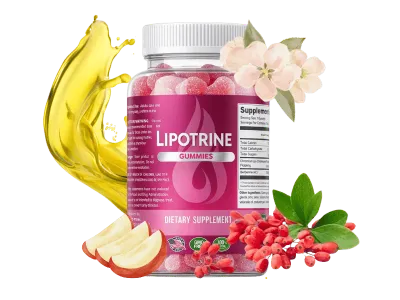
The gummy problem: A single gummy can hold roughly 40–80 mg of powdered berberine HCl. To reach the minimum clinical threshold of 500 mg, you would need 6–12 gummies per day—far more than the one-per-day serving that metabolism gummy products typically recommend. During our Lipotrine review, we documented a disclosed dose of 40 mg per gummy, which is 8% of the minimum studied dose.
Green Tea Extract (EGCG): Thermogenesis and Fat Oxidation
Epigallocatechin gallate (EGCG), the primary catechin in green tea, enhances norepinephrine-mediated thermogenesis by inhibiting catechol-O-methyltransferase (COMT). Clinical trials demonstrate meaningful increases in energy expenditure and fat oxidation at doses of 400–500 mg EGCG per day, often combined with 100–200 mg caffeine. A standardized green tea extract typically contains 40–50% EGCG by weight, meaning you need approximately 800–1,250 mg of extract per day to reach the active EGCG threshold.
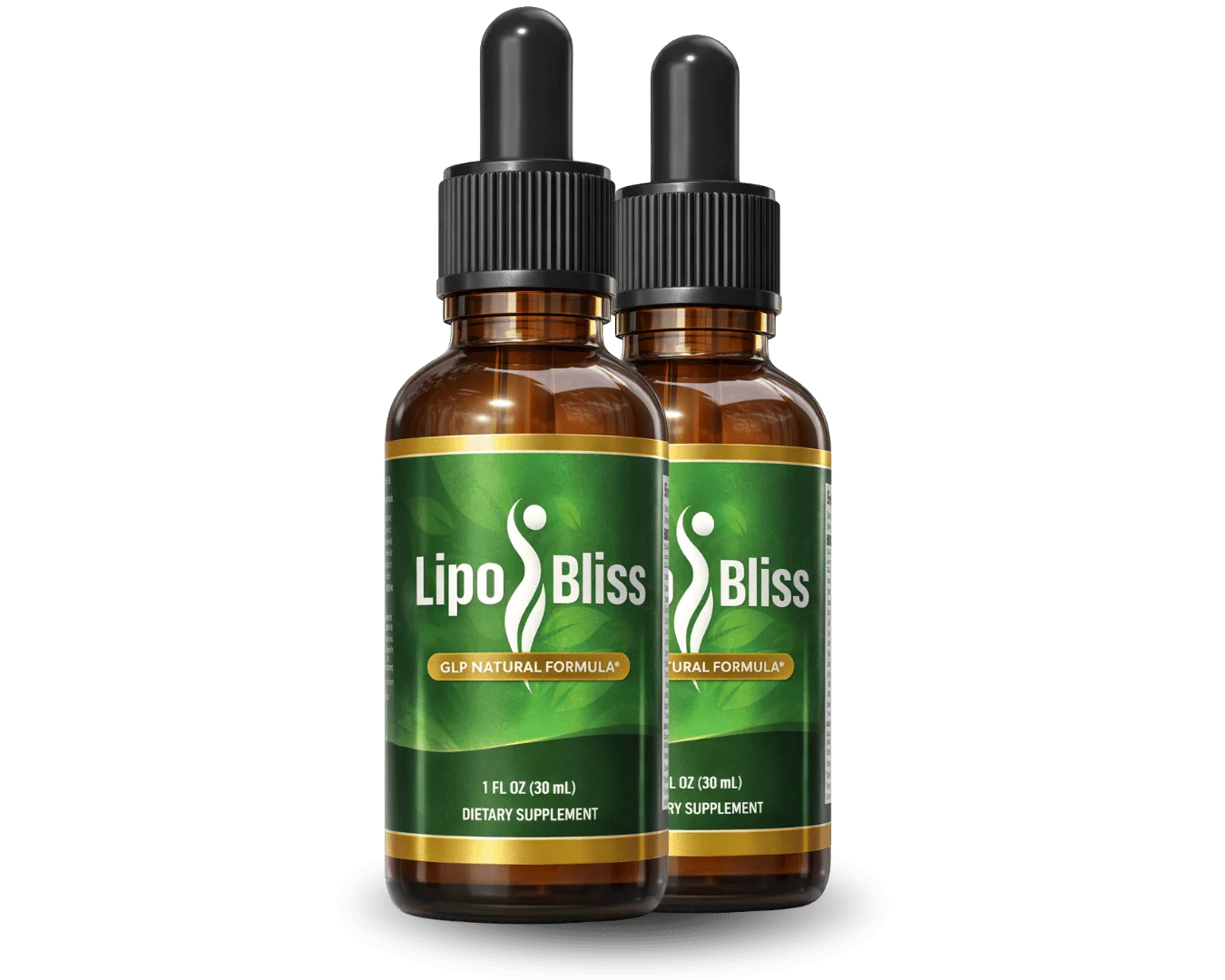
When a proprietary blend lists "Green Tea Leaf Extract" as one of eight ingredients sharing a 200 mg total pool—as we observed in LipoBliss—the maximum possible EGCG content is a fraction of the studied dose.
Chromium Picolinate: Insulin Sensitivity and Carbohydrate Metabolism
Chromium is an essential trace mineral that potentiates insulin signaling by enhancing insulin receptor binding affinity. Clinical studies evaluating chromium for body composition and glucose metabolism use doses of 200–1,000 mcg/day of chromium picolinate (systematic review, PMID 30055769). Evidence for chromium as a standalone weight-loss agent is modest at best; its primary value lies in supporting stable blood glucose and reducing carbohydrate cravings in insulin-resistant populations.
The 7 mcg (20% DV) in LipoBliss and the 25 mcg (71% DV) in Lipotrine both fall dramatically below any studied clinical threshold. Even the Daily Value itself (35 mcg) is set for minimal nutritional adequacy, not therapeutic effect.
Cinnamon Bark Extract: Glucose Disposal
Cinnamon polyphenols (particularly type-A procyanidins in Ceylon cinnamon) can mimic insulin at the cellular level, enhancing glucose transporter translocation. An umbrella review of meta-analyses of RCTs (PMID 41256917, Frontiers in Nutrition, 2025) confirmed beneficial effects on fasting blood glucose, lipid profiles, and blood pressure. Clinical trial dosing ranges from 120–6,000 mg/day, with the most commonly studied dose around 1–3 g/day of whole cinnamon powder or 250–500 mg of concentrated extract.
At 28 mg per gummy (as in Lipotrine), the dose is a rounding error relative to clinical evidence.
Supporting Cast: African Mango, Forskolin, L-Carnitine, Gymnema
Several secondary ingredients appear frequently in metabolism formulas:
- African Mango Seed Extract (IGOB131): A single 10-week RCT used 300 mg/day of the patented IGOB131 extract and reported significant weight and waist circumference reductions. However, this remains a single study with limited independent replication. Any African Mango claim should cite this specific extract and dose.
- Coleus Forskohlii (Forskolin): Activates adenylate cyclase, raising intracellular cAMP. The small RCT evidence uses 250 mg of 10% forskolin extract twice daily (50 mg total forskolin). Micro-doses inside proprietary blends cannot plausibly reproduce this effect.
- L-Carnitine: Shuttles long-chain fatty acids into mitochondria for beta-oxidation. Meta-analyses of supplementation trials show modest fat-loss effects at 2,000–3,000 mg/day. A fractional share of a 200 mg blend is pharmacologically irrelevant.
- Gymnema Sylvestre: Contains gymnemic acids that temporarily suppress sweet taste perception and may support pancreatic beta-cell function. Clinical doses range from 200–800 mg/day of standardized extract. A comparative RCT (PMID 39064727, 2024) found both gymnema and berberine produced significant reductions in weight and blood pressure.
3. The Proprietary Blend Trap: Capsule and Gummy Math
The single most widespread deceptive tactic in the metabolism supplement category is the proprietary blend: grouping multiple ingredients under a single combined milligram total while hiding individual doses. Understanding the basic arithmetic of supplement delivery formats instantly reveals why this matters:
Capsule Constraints
- A standard "size 00" capsule holds 600–750 mg of active powder.
- A two-capsule daily serving offers a maximum payload of 1,200–1,500 mg.
- To deliver clinical doses of berberine (500 mg) + green tea extract (800 mg) + L-carnitine (2,000 mg) alone requires 3,300 mg—exceeding even a four-capsule serving.
Gummy Constraints
Gummies present an even tighter payload bottleneck than capsules. The sugar base, gelatin or pectin matrix, flavoring, and colorants consume 60–80% of the gummy’s mass, leaving only 200–400 mg for active ingredients per gummy. A one-gummy-per-day serving simply cannot deliver meaningful quantities of compounds that require hundreds or thousands of milligrams to reach clinical thresholds.
This is precisely what we documented across all three metabolism support products in our review catalog:
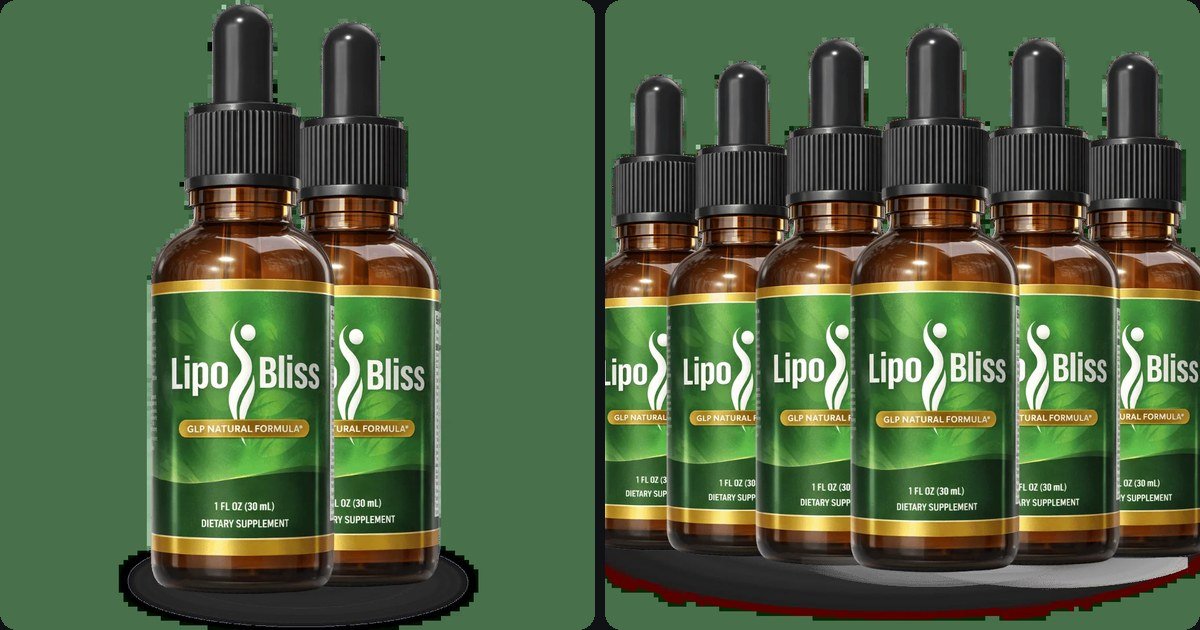
- LipoBliss: Liquid dropper format, 200 mg total proprietary blend containing 8 undisclosed ingredients. Even if one ingredient received the entire 200 mg, it would still fall short of clinical doses for any of the included compounds.
- Lipotrine: Fully transparent label showing 40 mg berberine + 28 mg cinnamon + 25 mcg chromium per gummy. Full credit for disclosure; the doses are 6–40× below published evidence.
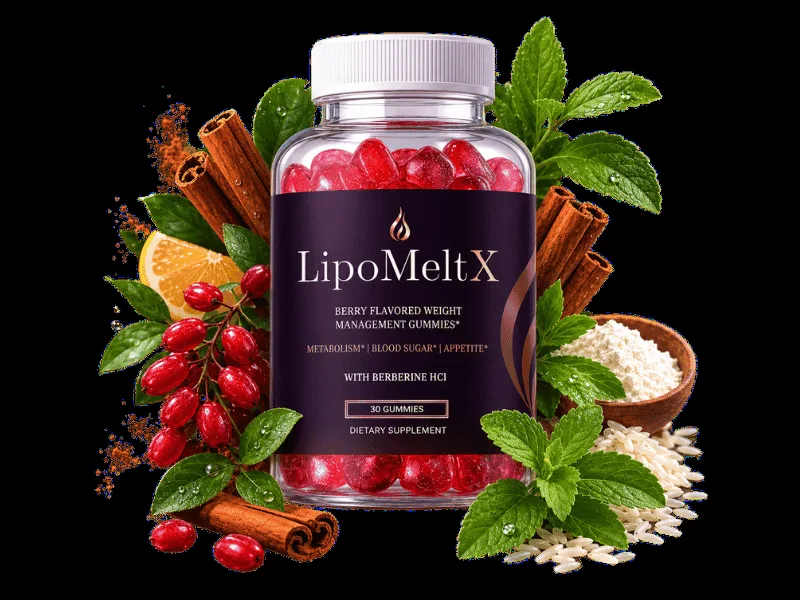
- LipoMeltX: Six ingredient categories with zero disclosed doses. The vendor does not publish a supplement facts panel, making evidence-based evaluation impossible.
4. Red Flags, Deceptive Marketing, and Billing Traps
When browsing metabolism supplement sales pages, watch for these predatory patterns:
1. "GLP-1 Pathway" and Pharmaceutical Mimicry Claims
With the popularity of prescription GLP-1 receptor agonists (semaglutide, tirzepatide), a wave of supplement vendors now position their products as "natural GLP-1 activators." This framing is misleading. The botanical compounds in these supplements operate through entirely different biochemical pathways (AMPK activation, COMT inhibition, insulin receptor potentiation)—none of which replicate the pharmacological mechanism of GLP-1 receptor agonist drugs. Any product claiming to be a "natural Ozempic alternative" should be treated with extreme caution.
2. Fake Scarcity and Urgency Tactics
Dynamic stock counters ("Only 37 personalized bottles remain!"), countdown timers that reset on page refresh, and "today only" pricing that is identical every day are standard conversion-rate optimization tricks. If the scarcity survives an incognito-window test, it was never real.
3. Unverifiable Expert Endorsements
Some sales pages feature a named "doctor" presenting the product via video or testimonial. Verify the physician's credentials independently. During our LipoMeltX review, the sales page featured a "Dr. Richard Lyon" with no verifiable medical board certification or published research.
4. Testimonials with Specific Weight-Loss Numbers
Individual testimonials claiming "I lost 31 pounds in 6 weeks with this supplement" without third-party verification are anecdotal and potentially fabricated. FTC guidelines require that testimonials reflect typical consumer experiences, and dramatic weight-loss claims from a supplement alone are physiologically implausible.
5. Hidden Auto-Ship Subscriptions
Always verify that your purchase is a one-time payment. Check the checkout page terms carefully for recurring billing language. All three products in our current metabolism support catalog sell through BuyGoods with explicit one-time purchase terms and 60-day money-back guarantees—a minimum acceptable standard.
5. The Buyer’s Decision Framework
Before purchasing any metabolism support supplement, run it through this four-step evaluation:
- Check Label Transparency: Does the Supplement Facts panel disclose the exact milligram amount of every active ingredient? If it uses a proprietary blend or publishes no supplement facts panel at all, you cannot evaluate the product. Move on.
- Verify Dose Alignment: For each disclosed ingredient, compare the label dose against the clinical evidence threshold (see Section 2). If every ingredient is dosed at 5–10% of the studied range, the formula is decorative, not functional.
- Evaluate the Delivery Format: Gummies and low-volume liquid droppers face hard physical constraints on total active payload. If a product uses a format that cannot physically deliver clinical doses, no amount of ingredient quality can compensate.
- Confirm Buyer Protections: Look for a minimum 60-day money-back guarantee, explicit one-time purchase terms (no auto-ship), and a reputable payment processor.
What We Found in Our Reviews
Across the three metabolism support products we have reviewed to date, a consistent pattern emerges: the ingredients themselves are real, researched compounds with genuine clinical evidence, but the doses are uniformly inadequate. The best-performing product on our internal rubric scored 2.5 out of 5, and the category average sits at 2.1/5.
- Best for Label Transparency: Lipotrine fully discloses every dose—earning credit for honesty even though the disclosed amounts (40 mg berberine, 28 mg cinnamon, 25 mcg chromium) are well below clinical thresholds (Check Lipotrine Price →).
- Most Ingredients per Serving: LipoBliss includes 9 named compounds plus chromium, but conceals all but one dose behind a 200 mg proprietary blend (Check LipoBliss Price →).
For a deeper dive into the cellular mechanisms behind metabolic rate, AMPK activation, and thermogenesis, read our detailed explainer: How Do Metabolism Support Supplements Actually Work?. Browse all reviewed products in the Metabolism Support Category Hub.
Frequently Asked Questions
What is the most important number to check on a metabolism supplement label?
The individual milligram dose of each active ingredient. A long ingredient list is meaningless if the doses are sub-clinical. Compare each ingredient's label dose against the amounts used in published randomized controlled trials (see Section 2 above). If the product uses a proprietary blend that hides individual doses, you cannot perform this comparison and should consider that a disqualifying factor.
Can a metabolism supplement replace diet and exercise for weight loss?
No. Even the best-studied metabolism support ingredients (berberine, green tea catechins) produce modest effects in the range of 0.5–2 kg over 8–12 weeks when used alongside a controlled diet. No over-the-counter supplement can override a caloric surplus or replace the metabolic benefits of regular physical activity. Supplements are, at best, a minor adjunct to established lifestyle interventions.
Why do so many metabolism supplements use the gummy format?
Gummies are popular because they taste pleasant, remove the "pill fatigue" barrier, and command higher retail prices. However, the gummy matrix (sugar, gelatin/pectin, flavoring) consumes most of the product's mass, leaving limited room for active compounds. This is why gummy-format metabolism supplements consistently deliver doses far below clinical evidence thresholds—the format itself is the bottleneck.
Is berberine safe to take without a prescription?
Berberine is generally well-tolerated at clinical doses (500–1,500 mg/day) in healthy adults, with the most common side effects being mild gastrointestinal discomfort (diarrhea, flatulence), which often resolves by splitting the dose across meals. However, berberine can lower blood glucose and interact with medications metabolized by CYP3A4 and CYP2D6 liver enzymes. Anyone taking diabetes medication, statins, or blood thinners should consult their physician before supplementing with berberine.
How long should I take a metabolism supplement before expecting results?
Clinical trials evaluating berberine and green tea catechins for metabolic parameters typically measure outcomes at 8–12 weeks of consistent daily use. Any product promising visible results in "3 days" or "one week" is making physiologically implausible claims. Realistic expectations for a well-dosed supplement, combined with diet and exercise, are modest improvements in body composition and metabolic markers over 2–3 months.

Theo covers Weight Management supplements for NutrasInsights, checking label doses against the published research so readers can judge a product on the science rather than the sales page.