Nerve Support Formulas Buying Guide (2026): What Specs Matter, Clinical Dose Gaps, and Red Flags
Updated September 14, 2026 · By Julian Bellamy
At a Glance
Evaluating a nerve support supplement comes down to one core question: does the formula deliver clinically proven active doses, or does it hide microdoses inside an opaque proprietary blend? Look for at least 600 mg of alpha-lipoic acid (or 300 mg R-ALA), active B-vitamins like benfotiamine and methylcobalamin, and 100% label transparency. Never buy from vendors promising overnight neuropathy reversal or locking purchases into deceptive auto-ship billing.
1. Why Shopping for a Nerve Supplement Requires Extreme Skepticism
Few corners of the dietary supplement market are as fraught with aggressive marketing and misleading claims as the peripheral nerve support category. Peripheral nerve discomfort—whether manifesting as persistent tingling in the toes, "pins and needles" after sitting, or burning sensations that flare up at night—can be deeply disruptive to quality of life. Consumers seeking relief are often vulnerable, and unscrupulous manufacturers routinely exploit that distress with extravagant promises of "overnight nerve regeneration."
Before spending money on any capsule, it is critical to understand the biological reality. Peripheral nerves rely on a microscopic capillary network known as the vasa nervorum for oxygen and nutrient delivery. When metabolic stress, oxidative damage, or age-related microcirculatory decline impairs these tiny vessels, nerve axons can misfire, sending phantom sensory signals to the brain.
Targeted dietary supplements cannot cure diabetic neuropathy, decompress pinched spinal nerve roots, or replace medical therapies. What well-formulated supplements can do is support cellular antioxidant defenses, optimize microvascular blood flow to distal extremities, and supply essential cofactors for neuronal mitochondrial energy production. However, achieving those physiological benefits depends entirely on ingredient selection and clinical dosing—two areas where the majority of retail products fall remarkably short.
2. The Key Ingredients: What Clinical Trials Actually Validate
When reviewing a Supplement Facts panel, disregard marketing buzzwords like "quantum neuro-complex" and look exclusively for compounds with published, peer-reviewed clinical trial support in human subjects. Here are the core nutrients that have demonstrated meaningful efficacy, along with the daily dosage thresholds required to match clinical outcomes:
Alpha-Lipoic Acid (ALA): The Foundation Nutrient
Alpha-lipoic acid is the most extensively researched antioxidant for peripheral nerve health. Unlike water-soluble vitamin C or fat-soluble vitamin E, ALA is amphiphilic, allowing it to neutralize free radicals across both cell membranes and watery cytoplasm. In landmark clinical trials, including the SYDNEY 2 trial and the NATHAN 1 study, an oral dose of 600 mg per day produced statistically significant improvements in sensory nerve comfort and conduction parameters after 5 to 12 weeks.
Form Matters: Standard ALA is a 50/50 racemic mixture of R-alpha-lipoic acid (the biologically active enantiomer) and S-alpha-lipoic acid (an inert byproduct). If a formula utilizes stabilized R-ALA (such as sodium R-lipoate), a dose of 200 mg to 300 mg can match or exceed 600 mg of generic racemic ALA due to dramatically higher plasma bioavailability.
Benfotiamine: Fat-Soluble Vitamin B1
Standard thiamine hydrochloride (water-soluble B1) has poor intestinal absorption and low tissue saturation. Benfotiamine is a lipid-soluble thiamine precursor that delivers up to five times greater cellular thiamine levels. It activates the enzyme transketolase, which diverts toxic glucose metabolites away from damaging the endothelial cells of the vasa nervorum. Clinical studies utilize 300 mg to 600 mg daily for peripheral nerve protection.
Acetyl-L-Carnitine (ALCAR)
ALCAR transports long-chain fatty acids into neuronal mitochondria to sustain high-energy ATP synthesis and supports peripheral axon repair. Multiple multicenter trials have demonstrated improved nerve conduction velocity and sensory comfort with ALCAR, but effective clinical dosing is substantial: 1,500 mg to 3,000 mg per day. If a supplement contains only 50 mg to 100 mg of ALCAR, it is purely cosmetic labeling.
Bioactive B-Vitamins (B6 & B12)
Ensure the formula uses Methylcobalamin rather than synthetic Cyanocobalamin for vitamin B12. For vitamin B6, look for Pyridoxal-5-Phosphate (P5P) and verify that the dosage does not exceed 50 mg to 100 mg per day; excessive long-term intake of standard pyridoxine HCl can ironically trigger sensory neuropathy—a risk detailed in our ingredient safety guidelines.
Microvascular Botanicals
Herbal extracts like Butcher's Broom (Ruscus aculeatus) and Horse Chestnut contain saponins and flavonoids that reduce capillary permeability, support venous tone, and promote microvascular blood flow to cold or numb toes. Calming botanicals such as Passionflower and Feverfew help downregulate sensory hyperexcitability and soothe nighttime discomfort.
3. The Proprietary Blend Trap: The Mathematics of Capsule Space
The single most widespread tactic in the nerve supplement industry is the use of proprietary blends. A proprietary blend groups multiple ingredients under a single collective milligram total (e.g., "Advanced Nerve Support Blend: 575 mg"), allowing the vendor to conceal the exact amount of each constituent compound.
To understand why this is a dealbreaker for informed buyers, consider standard capsule physics:
- A standard "size 00" capsule holds approximately 600 mg to 750 mg of active powdered material.
- If a daily serving is two capsules, the absolute maximum total ingredient weight is around 1,200 mg to 1,500 mg.
- If a product includes six active compounds—such as ALA (needs 600 mg), ALCAR (needs 1,500 mg), Benfotiamine (needs 300 mg), plus three botanicals—the required clinical payload exceeds 2,500 mg per day.
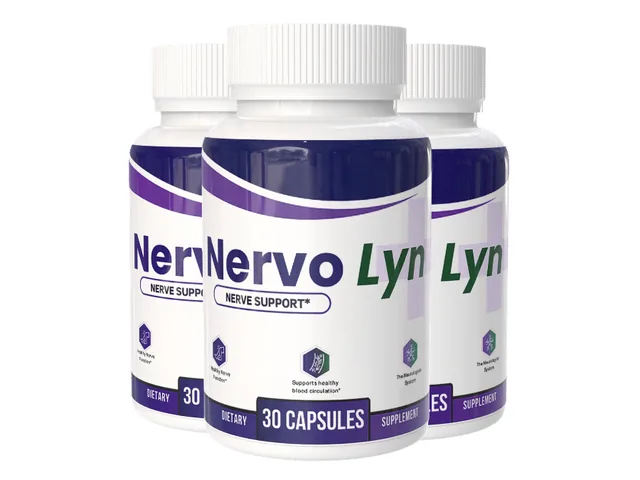
When a manufacturer squeezes six or seven compounds into a 575 mg proprietary blend—as we observed during our NervoLyn Review—it is physically and mathematically impossible for any individual ingredient to reach clinical efficacy. The vendor can legally highlight alpha-lipoic acid on the front label, but inside the capsule, you may be receiving as little as 20 mg: a sub-therapeutic microdose that delivers zero clinical benefit.
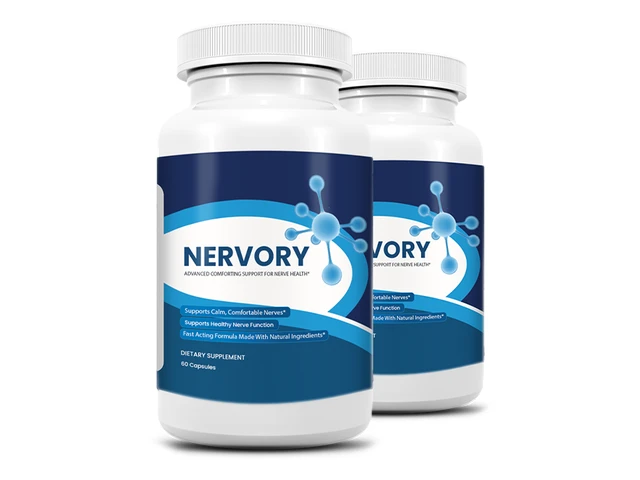
By contrast, formulas that practice 100% label transparency, such as Nervory, clearly disclose every individual milligram on the Supplement Facts panel. When a manufacturer has nothing to hide regarding their dosages, they list them openly.
4. Red Flags, Deceptive Marketing, and Billing Traps
When browsing nerve supplement sales pages, keep a vigilant lookout for these common predatory practices:
1. Claims of Curing or Reversing Neuropathy
Under federal regulations, dietary supplements can only make structure/function claims (such as "supports healthy peripheral nerve function"). Any vendor claiming their product "reverses diabetic nerve damage," "eliminates sciatica in 7 days," or acts as an "alternative to prescription gabapentin" is operating in direct violation of FDA guidelines and should be avoided immediately.
2. Fake Scarcity & Artificial Countdown Clocks
Be wary of sales funnels that display flashing banners like "Special 50% discount expires in 14:59" or "Only 4 bottles remaining in stock today." If you refresh the page or open it in an incognito window and the timer resets to 15:00, the scarcity is completely fabricated to force an impulsive purchase.
3. Hidden Recurring Auto-Ship Subscriptions
Some low-integrity retailers offer a "trial bottle for $19.95" or discount packages that subtly bury an automatic monthly continuity subscription in the checkout terms. Unsuspecting buyers discover recurring charges of $79 to $99 every 30 days that require arduous credit card disputes to cancel. Always verify that your purchase is a one-time payment with no hidden autoship enrollment.
4. Restrictive Refund Policies Disguised as Guarantees
A vendor may advertise a "90-day 100% money-back guarantee" on their sales video, but their fine print reveals that the guarantee applies only to unopened bottles in original packaging. If you open and test one bottle for 30 days and experience no benefit, you are disqualified from receiving a refund. Look for retailers that back their products with an empty-bottle satisfaction guarantee processed through reputable merchant platforms like BuyGoods or MaxWeb.
5. The Buyer's Decision Framework & Recommendations
To simplify your selection process, use this four-step decision framework before placing an order:
- Check for 100% Label Transparency: Reject any supplement that bundles its primary nerve compounds into an undisclosed proprietary blend.
- Verify Dosage Alignment: Does the label deliver therapeutic quantities (e.g., 300–600 mg ALA, fat-soluble benfotiamine, bioactive B12)?
- Confirm Manufacturing Standards: Verify that the supplement is produced in a cGMP-certified facility in the United States and third-party tested for purity and heavy metals.
- Ensure an Unconditional Refund Window: Choose a brand that provides at least a 60-day empty-bottle refund policy with straightforward customer support.
Our Category Standouts
Based on our hands-on reviews in the Nerve Support Formulas cluster:
- Top Pick for Formulation Transparency: Nervory delivers a completely transparent botanical profile with zero proprietary blends and zero artificial binders (Check Nervory Price →).
- Convenient Single-Capsule Daily Option: NervoLyn provides broad microcirculatory botanical cofactors in a simple single-capsule routine for general wellness (Check NervoLyn Price →).
For a deeper biological dive into cellular mechanisms, explore our detailed explainer in Nerve Support Formulas Explained, or browse the complete catalog in our Nerve Support Formulas Category Hub.
Frequently Asked Questions
What is the single most important ingredient to verify on a nerve supplement label?
Alpha-lipoic acid (ALA) remains the single most clinically validated compound for peripheral nerve sensory comfort. Ensure the label clearly discloses at least 600 mg of standard racemic ALA or 200–300 mg of stabilized R-alpha-lipoic acid (R-ALA) per daily serving, rather than hiding an undisclosed microdose inside a proprietary blend.
Can a dietary supplement cure peripheral neuropathy or regenerate dead nerves?
No. Dietary supplements cannot regrow dead nerve fibers, reverse diabetic polyneuropathy, or replace physician-directed medical treatment. High-quality supplements provide physiological support by neutralizing reactive oxygen species, supporting microvascular perfusion through the vasa nervorum, and optimizing mitochondrial cellular energy in surviving peripheral axons.
Why do so many commercial nerve supplements use proprietary blends?
Proprietary blends allow manufacturers to legally list expensive, clinically validated ingredients on their marketing materials while adding only tiny, inexpensive fractions of the necessary doses. This significantly reduces manufacturing costs while keeping consumers from discovering that the formula is sub-therapeutic.
How long should I take a nerve formula before expecting results?
Peripheral nerve tissue regenerates and stabilizes slowly (often at a rate of just 1 mm per day under optimal biological conditions). In clinical trials evaluating alpha-lipoic acid and benfotiamine, noticeable improvements in tingling and nocturnal comfort typically required 4 to 8 weeks of consistent daily use, with maximum benefits observed after 3 to 6 months.
Are nerve support supplements safe to take alongside prescription medications?
While generally well-tolerated, potential interactions exist. Alpha-lipoic acid can increase cellular insulin sensitivity and lower blood glucose, which may require dosage adjustments for patients on diabetes medications. Additionally, botanicals that influence vascular tone or platelet aggregation (like Butcher's broom) warrant medical supervision alongside anticoagulants or blood pressure drugs. Always consult your physician before starting a new regimen.

Julian is a staff editor at NutrasInsights focused on Joint & Mobility. He researches ingredient evidence and compares label doses against the studies vendors cite before any product earns a recommendation.