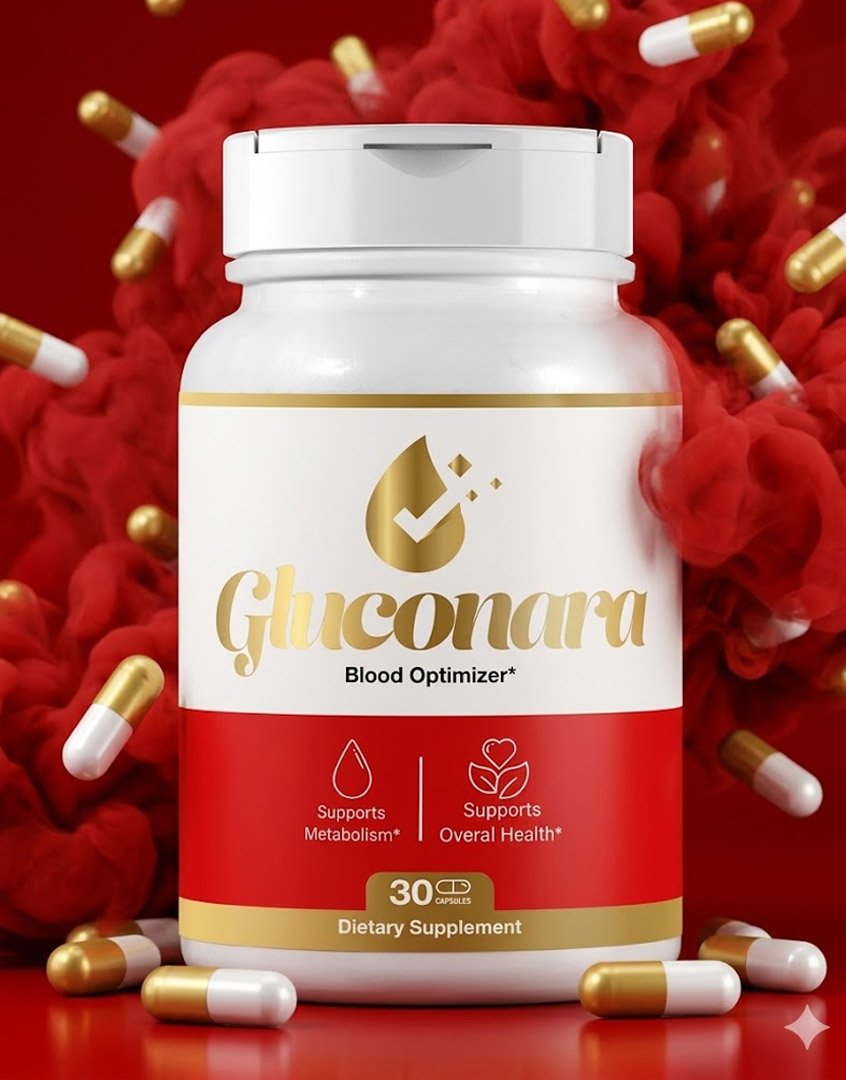
Gluconara Review: Eight Ingredients, One Disclosed Dose, One Proprietary Blend (2026)
 By Theo Marchetti · Updated September 25, 2026
Key Takeaways
Gluconara is a once-daily capsule marketed for blood sugar support and energy. It lists eight ingredients — turmeric, cocoa bean, berberine HCl, gymnema sylvestre, cinnamon bark, chromium picolinate, bitter melon, and banaba leaf — but discloses the dose for only one: chromium picolinate at 100 mcg. The remaining seven share a 528 mg proprietary blend. With seven ingredients dividing 528 mg, the average per-ingredient allocation is roughly 75 mg — well below the clinical thresholds published for every single component.
- Blood sugar support capsule with an eight-ingredient botanical formula — Gluconara combines one disclosed mineral (chromium picolinate at 100 mcg) with seven undisclosed botanicals inside a 528 mg proprietary blend, targeting glycemic balance, energy, and metabolic health in a convenient one-capsule daily format.
- Several ingredients carry genuine published evidence for glycemic endpoints: berberine for glycemic control (umbrella meta-analysis, 2023), curcumin for fasting blood glucose (comprehensive meta-analysis of 103 RCTs, 2024), chromium for metabolic markers (systematic review and meta-analysis, 2020), and bitter melon for glycemic control in prediabetes and type 2 diabetes contexts (GRADE-adherent meta-analysis, 2025).
- A 528 mg proprietary blend cannot deliver seven ingredients at clinical doses: berberine trials use 500–1,500 mg/day, curcumin studies use 500–2,000 mg, gymnema sylvestre trials use 200–800 mg, bitter melon studies use 500–2,000 mg, and cinnamon bark studies use 1,000–6,000 mg. Even if a single ingredient consumed the entire 528 mg, it would reach clinical range only for gymnema sylvestre. The disclosed chromium (100 mcg) sits 2× below the ≥200 mcg threshold associated with glycemic improvements.
- 60-day money-back guarantee with no subscription traps: pricing ranges from $49 to $79 per bottle depending on bundle size, with free shipping on the 6-bottle order. Orders processed through BuyGoods.
Blood sugar support supplements have become one of the fastest-growing segments of the nutraceutical market, driven by rising consumer awareness of glycemic health and its downstream effects on energy, weight management, and long-term metabolic resilience. Buyers increasingly seek multi-ingredient formulas that address several glycemic pathways — insulin signaling, glucose uptake, hepatic glucose output, and carbohydrate metabolism — in a single daily dose. Gluconara enters this space with an eight-ingredient capsule that checks several trending categories: berberine for AMPK-mediated glucose metabolism, turmeric for inflammatory modulation, gymnema sylvestre for its traditional 'sugar destroyer' reputation, chromium for insulin receptor sensitivity, cinnamon bark for glucose transporter activation, and bitter melon for its insulin-mimetic compounds. The ingredient selection reads like a credible shortlist of the most-studied botanicals in glycemic health. The challenge, as with many products in this cluster, is not the selection — it is whether the formula delivers enough of each ingredient to match the doses that produced results in published trials.
What Is Gluconara, Mechanically?
Gluconara is a dietary supplement sold as blood sugar support capsules, with a recommended serving of one capsule daily taken with water 30 minutes before meals. The supplement facts panel discloses one individually dosed ingredient — Chromium (as Chromium Picolinate) at 100 mcg, providing 286% of the Daily Value. The remaining seven ingredients are grouped into a 528 mg proprietary blend: Turmeric (Curcuma longa) Rhizome, Cocoa (Theobroma cacao) Bean, Berberine HCl, Gymnema Sylvestre Leaf, Cinnamon (Cinnamomum cassia) Bark, Bitter Melon (Momordica charantia), and Banaba (Lagerstroemia speciosa) Leaf. The product label does not mention GMP certification or third-party testing explicitly. Orders are processed through BuyGoods. For a quick visual summary, see our Gluconara Overview.
Who Gluconara Is For
Gluconara targets adults seeking a single-capsule approach to blood sugar management. The vendor's sales page frames the product around the promise of 'blood sugar freedom' — stable numbers, reduced cravings, increased energy, and clearer mental focus — without explaining the biological mechanisms through which these outcomes would occur.
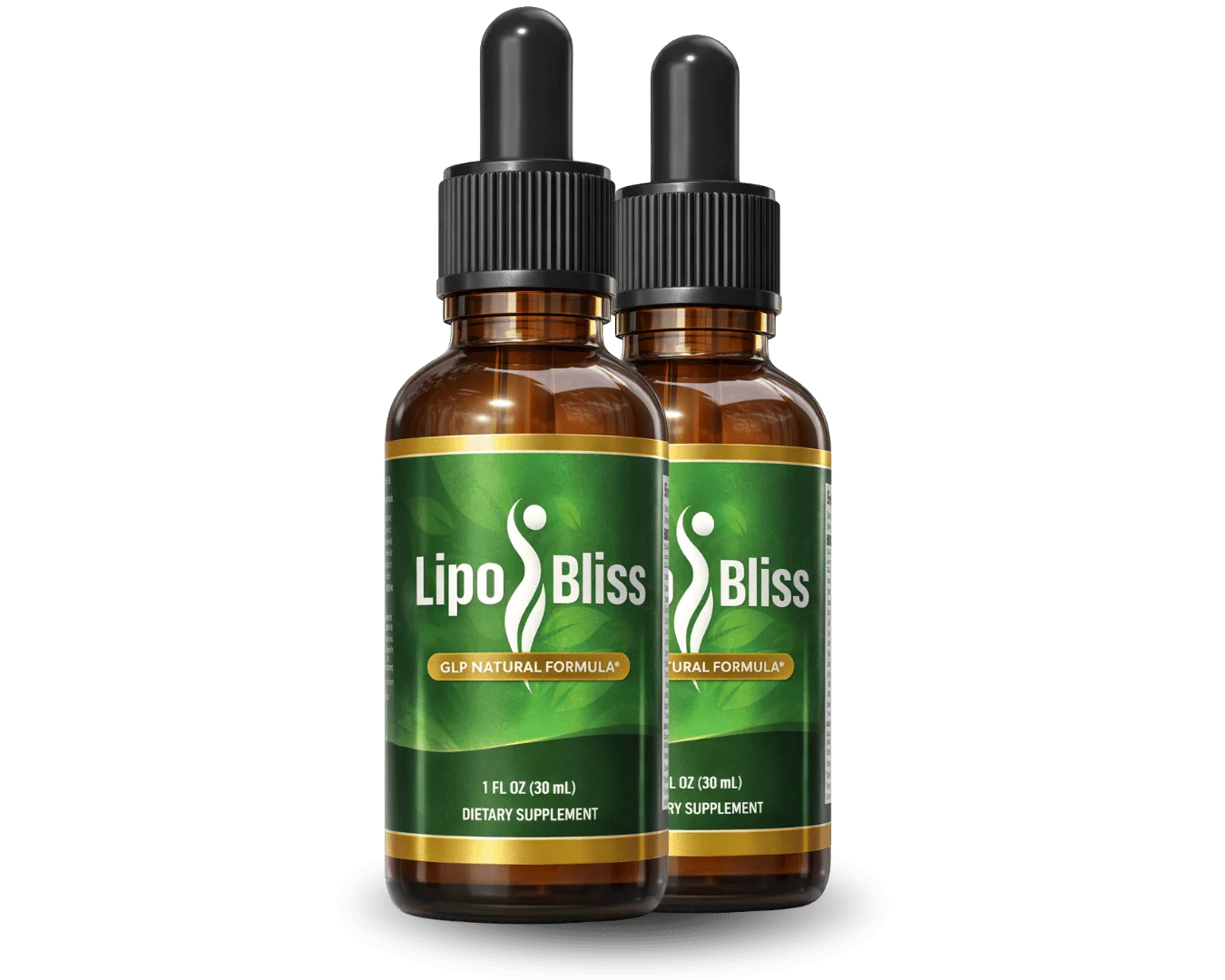
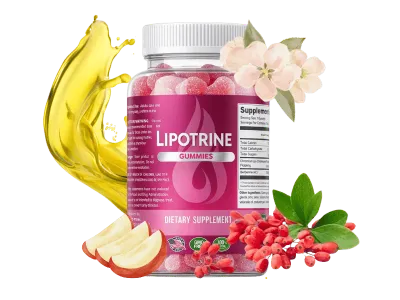
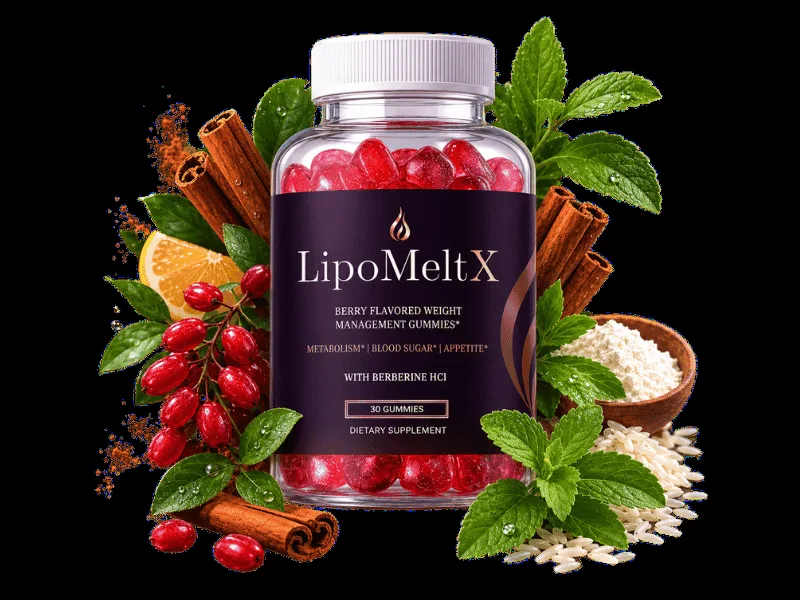
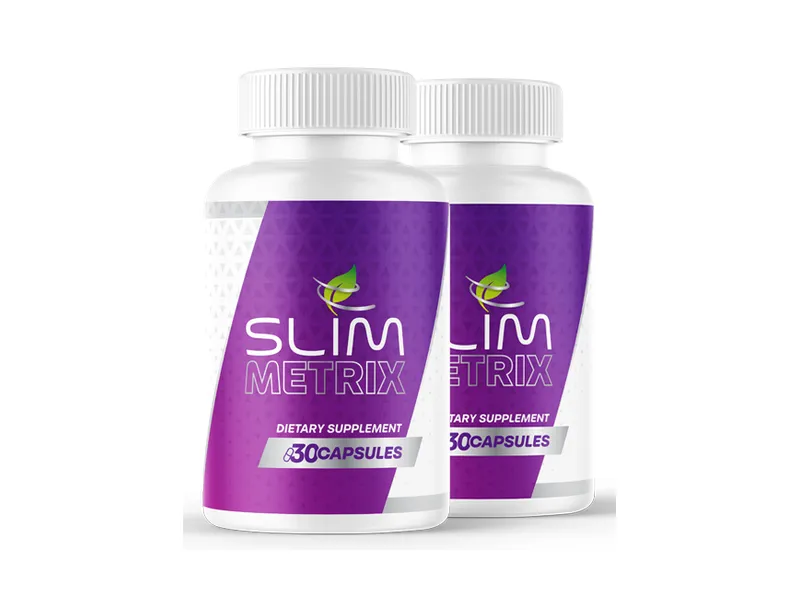
This review evaluates what the formula actually delivers. We compare each ingredient's label allocation against the doses used in published clinical trials, assess the sales page's claims against the evidence, and contextualize Gluconara within the metabolism-support cluster where four other products — LipoBliss, Lipotrine, LipoMeltX, and SlimMetrix — have already been reviewed.
Gluconara
Eight-ingredient blood sugar capsule — chromium picolinate 100 mcg plus a 528 mg proprietary blend of turmeric, cocoa, berberine, gymnema, cinnamon, bitter melon, and banaba. One capsule daily.
$158 for 2 bottles ($79/bottle, 60-day supply), $207 for 3 bottles ($69/bottle, 90-day supply, most popular), $294 for 6 bottles ($49/bottle, 180-day supply, best value, free shipping). Prices confirmed from the official page in September 2026.
60-day money-back guarantee on all orders. No autoship or recurring charges. Orders processed through BuyGoods. Physical containers may need to be returned for refund processing.
This offer is temporarily unavailable — showing our current alternative pick.Living With It
The daily routine is straightforward: one capsule with water, 30 minutes before a meal. The timing instruction — pre-meal — aligns with how berberine and gymnema sylvestre are typically administered in clinical settings, where pre-meal dosing may support postprandial glucose management. Whether the amounts in this blend are sufficient to produce that effect is a separate question from the timing itself.
Because the proprietary blend does not disclose individual ingredient doses, stacking Gluconara with other supplements requires caution. If you already take a standalone berberine capsule (commonly dosed at 500 mg), a curcumin supplement (500–1,000 mg with piperine), or a cinnamon extract (1,000 mg), you have no way to assess overlap or total intake. The 100 mcg of chromium picolinate may also stack with amounts in a daily multivitamin (many provide 25–120 mcg). If you take medications for blood sugar management, consult your physician before adding any supplement containing berberine, chromium, gymnema, or banaba — all four may interact with glucose-lowering drugs or alter insulin sensitivity through different pathways.
What Works in Its Favor
- Well-chosen ingredient roster targeting multiple glycemic pathways. The eight ingredients span AMPK activation (berberine), insulin receptor sensitization (chromium, banaba), glucose transporter modulation (gymnema, cinnamon), inflammatory modulation (turmeric), and insulin-mimetic activity (bitter melon) — a multi-pathway approach that reflects current understanding of glycemic physiology rather than betting on a single mechanism.
- Several ingredients have published meta-analyses or systematic reviews supporting their use for glycemic endpoints. Berberine (2023 umbrella meta-analysis), curcumin (2024 comprehensive meta-analysis across 103 RCTs), chromium (2020 systematic review and meta-analysis), bitter melon (2025 GRADE-adherent meta-analysis), and cinnamon (2024 dose-response meta-analysis) each carry meaningful peer-reviewed evidence.
- Capsule format avoids the payload limitations of gummy alternatives. Unlike gummy-based supplements in this cluster, a capsule does not need to allocate mass to pectin, sweeteners, or flavorings — the full capsule volume is available for active ingredients, and at 528 mg the blend is nearly double the 276 mg in SlimMetrix's comparable blend.
- Pre-meal dosing instruction aligns with clinical administration protocols. The recommendation to take the capsule 30 minutes before a meal is consistent with how berberine and gymnema sylvestre are typically dosed in clinical trials targeting postprandial glucose, suggesting the formulator considered the timing-absorption relationship.
- Competitive bulk pricing at $49 per bottle on the 6-bottle tier with no subscription. The 180-day supply brings the per-day cost to approximately $1.63 — comparable to other products in this cluster. The absence of autoship billing and the 60-day refund policy reduce financial risk in a category where recurring charges are common.
- Gymnema sylvestre inclusion reflects traditional and emerging evidence. Known as 'gurmar' ('sugar destroyer'), gymnema sylvestre has centuries of use in Ayurvedic practice for glycemic support and is the subject of a 2026 molecular review identifying it as a multi-target agent for metabolic endpoints — a distinctive ingredient choice not found in other products in this cluster.
Key Specs
- Serving size
- 1 capsule daily, 30 minutes before meals
- Disclosed mineral
- Chromium (as Chromium Picolinate) 100 mcg (286% DV)
- Proprietary blend total
- 528 mg — 7 ingredients, individual doses undisclosed
- Blend ingredients
- Turmeric Rhizome, Cocoa Bean, Berberine HCl, Gymnema Sylvestre Leaf, Cinnamon Bark, Bitter Melon, Banaba Leaf
- Manufacturing
- No GMP certification or third-party testing explicitly stated; orders via BuyGoods
- Guarantee
- 60-day money-back guarantee, non-subscription purchase
Performance
Gluconara presents a familiar evaluation challenge in this cluster: one disclosed dose that falls below the clinical threshold and seven undisclosed ingredients locked inside a proprietary blend. We assess each layer against the published evidence.
Chromium Picolinate — 100 mcg (disclosed). This is the only precisely evaluable ingredient. A 2020 systematic review and meta-analysis (Asbaghi et al., Pharmacological Research) found chromium supplementation significantly reduced fasting plasma glucose (WMD: −19.00 mg/dL) in patients with type 2 diabetes. The effective dose range across included trials was 200–1,000 mcg daily. At 100 mcg, Gluconara delivers 2× less than the minimum studied threshold. For context, this is still 4× the dose in Lipotrine (25 mcg) and double the 50 mcg in SlimMetrix — the highest chromium dose in this cluster, but still below the clinical floor.
Berberine HCl — dose not disclosed. A 2023 umbrella meta-analysis confirmed berberine's effects on glycemic markers at doses of 500–1,500 mg/day. The landmark 2008 trial by Yin et al. established 1,500 mg/day as the benchmark, split across three daily doses. With the entire blend totaling 528 mg for seven ingredients, berberine's share is mathematically constrained. Even if berberine were the dominant ingredient consuming half the blend (~264 mg), it would still fall roughly 2× below the minimum effective dose — and consuming half the blend would leave only ~264 mg for six other ingredients.
Turmeric (Curcuma longa) Rhizome — dose not disclosed. A 2024 comprehensive meta-analysis across 103 RCTs (Dehzad et al., Phytotherapy Research) rated the evidence for curcumin's effect on fasting glucose as high-credibility. A 2023 GRADE-assessed dose-response meta-analysis confirmed effects on glycemic indices. Clinical doses range from 500 to 2,000 mg curcumin daily, and most positive trials used formulations enhanced with piperine or liposomal delivery to overcome curcumin's notoriously poor bioavailability. Gluconara lists raw turmeric rhizome with no standardization or bioavailability enhancer — even at a full 528 mg (which it cannot be), the curcumin content would be only 3–5% of the raw rhizome mass (~16–26 mg curcumin), a fraction of clinical doses.
Gymnema Sylvestre Leaf — dose not disclosed. A 2026 molecular review identifies gymnema as a multi-target antidiabetic agent, with gymnemic acids as the primary bioactive compounds. Clinical trials have used 200–800 mg/day of standardized extract (typically 25% gymnemic acids). At ~75 mg average allocation from the blend, Gluconara would deliver roughly 3–11× below the studied range. Without standardization to gymnemic acid content, the actual bioactive yield is uncertain.
Cinnamon (Cinnamomum cassia) Bark — dose not disclosed. A 2024 dose-response meta-analysis (Moridpour et al., Phytotherapy Research) found that cinnamon supplementation's effects on glycemic markers remain inconclusive, with effective doses in positive trials ranging from 1,000 to 6,000 mg/day. At ~75 mg average: 13–80× below the studied range.
Bitter Melon (Momordica charantia) — dose not disclosed. A 2025 GRADE-adherent meta-analysis evaluated bitter melon for glycemic control in prediabetes and type 2 diabetes. Clinical doses range from 500 to 2,000 mg/day. At ~75 mg average: 7–27× below the studied range. Notably, a 2012 Cochrane review found no statistically significant difference in glycemic control, making this one of the less evidence-certain ingredients in the formula.
Cocoa (Theobroma cacao) Bean — dose not disclosed. Cocoa flavanols have evidence for cardiovascular health and insulin sensitivity, but the clinical literature focuses on high-flavanol cocoa preparations at 200–600 mg flavanols/day. Raw cocoa bean powder, as listed here, has variable flavanol content depending on processing. At ~75 mg of cocoa bean, the flavanol yield would be minimal.
Banaba (Lagerstroemia speciosa) Leaf — dose not disclosed. A 2025 review identifies corosolic acid as banaba's primary bioactive compound for glycemic effects. Clinical doses range from 16–48 mg corosolic acid/day, requiring 800–2,400 mg of standard 2% extract. At ~75 mg of banaba leaf: yields approximately 1.5 mg corosolic acid — 11–32× below the studied range.
The structural conclusion mirrors what we have found across this cluster: the proprietary blend model allows the manufacturer to list eight clinically relevant ingredients without committing to effective quantities of any of them. At 528 mg total, Gluconara's blend is larger than SlimMetrix's 276 mg or LipoBliss's 200 mg — but the math is still decisive. Seven ingredients sharing 528 mg yields an average of ~75 mg each, and not a single ingredient in this formula has published evidence of efficacy at that dose level.
What the Sales Page Gets Right — and What It Doesn't
The eight named ingredients are all real compounds with published research relevant to glycemic health — this is not a formula of obscure or fabricated ingredients. Berberine, curcumin, gymnema, chromium, cinnamon, and bitter melon each have peer-reviewed meta-analyses or systematic reviews supporting their use at appropriate doses. The one disclosed dose — chromium picolinate at 100 mcg — is the highest chromium dose in the metabolism-support cluster, providing 286% of the FDA Daily Value. The capsule format avoids the sugar and pectin constraints of gummy alternatives. The 60-day refund window and absence of autoship billing reduce financial risk. The pre-meal timing instruction reflects clinical protocols for berberine and gymnema administration.
The vendor's sales page uses the term 'pancreatic sludge' to describe a supposed mechanism behind blood sugar problems. This is a fabricated concept with no basis in medical or scientific literature — no peer-reviewed study, textbook, or clinical guideline uses this term. It is a marketing construct designed to create urgency around a problem that does not exist in the form described. The page also states that '180 days produces much more advantageous long-term effects' without citing any study to support this specific timeline. No clinical research is referenced anywhere on the sales page despite repeated blood sugar claims. No doctor or expert endorsement appears. Pricing displays inflated original prices — a single bottle is not offered, pushing buyers toward multi-bottle bundles with 'YOU SAVE' amounts calculated against unsubstantiated list prices. The label does not explicitly mention GMP certification or third-party testing, and no Certificate of Analysis is available. The return policy requires shipping containers back to process refunds.
Verdict
Gluconara earns a recommendation for a specific buyer: someone who wants a capsule-based blood sugar support supplement with broad ingredient coverage across multiple glycemic pathways, prefers the convenience of a single daily dose, and is willing to use the 60-day guarantee as their evaluation window. The ingredient selection is genuinely well-conceived — berberine, gymnema sylvestre, chromium, turmeric, cinnamon, and bitter melon are among the most-studied botanicals for glycemic health, and their inclusion together reflects a formulator who understands the multi-pathway nature of glucose metabolism.
What buyers need to weigh carefully is the proprietary blend and the dose question. The one disclosed ingredient — chromium picolinate at 100 mcg — is below the ≥200 mcg threshold associated with glycemic improvements in clinical trials, though it is the highest chromium dose in this cluster. The seven undisclosed ingredients share 528 mg, yielding an average of ~75 mg each — mathematically insufficient for clinical-level dosing of any single component. The sales page's use of the fabricated term 'pancreatic sludge' and its failure to cite any research are transparency gaps that stand out in a YMYL category where evidence should be front and center.
If the multi-ingredient approach and the 60-day guarantee appeal to you, the 6-bottle bundle at $49/bottle ($1.63/day) is the most cost-effective entry. Compare this against a standalone berberine capsule at a disclosed 500 mg dose ($0.30–$0.60/day) paired with a standalone chromium picolinate at 200 mcg ($0.10–$0.20/day) — the a-la-carte approach delivers verified doses of the two most evidence-backed ingredients for a fraction of the cost per day. For reviews of other metabolism-support formulas in this cluster — including Lipotrine (fully transparent doses), LipoBliss, LipoMeltX, and SlimMetrix — see our Metabolism Support cluster page.
This review reflects our independent editorial analysis of the manufacturer's published label and the peer-reviewed literature — see our Editorial Policy and How We Evaluate. You can also view our Gluconara Overview for a fast product snapshot. NutrasInsights may earn a commission from qualifying purchases; see our Affiliate Disclosure.
Frequently Asked Questions
What ingredients does Gluconara contain?
Gluconara contains eight ingredients in two tiers: (1) one disclosed mineral — Chromium (as Chromium Picolinate) at 100 mcg (286% DV); and (2) a 528 mg proprietary blend of seven botanicals — Turmeric (Curcuma longa) Rhizome, Cocoa (Theobroma cacao) Bean, Berberine HCl, Gymnema Sylvestre Leaf, Cinnamon (Cinnamomum cassia) Bark, Bitter Melon (Momordica charantia), and Banaba (Lagerstroemia speciosa) Leaf. No individual doses are disclosed for any ingredient in the proprietary blend.
Is 100 mcg of chromium picolinate an effective dose for blood sugar support?
Clinical trials investigating chromium picolinate for glycemic improvement have generally used 200–1,000 mcg daily. At 100 mcg, Gluconara provides 286% of the FDA Daily Value but remains 2× below the minimum supplemental range associated with glycemic effects in published meta-analyses. For comparison, SlimMetrix provides 50 mcg and Lipotrine provides 25 mcg — Gluconara offers the highest chromium dose in this cluster, though all three fall short of clinical research thresholds.
How does Gluconara compare to other supplements in this cluster?
Gluconara is one of five metabolism-support supplements reviewed on this site. Lipotrine is a gummy with three fully transparent ingredients (all below clinical doses). LipoBliss is a capsule with a 200 mg proprietary blend. LipoMeltX is a capsule with a separate formulation approach. SlimMetrix is a capsule with ten ingredients and a 276 mg proprietary blend. Gluconara's advantages are a larger blend (528 mg), the highest chromium dose in the cluster (100 mcg), and a distinctive ingredient selection including gymnema sylvestre and bitter melon. Its disadvantage is the proprietary blend model that prevents dose verification for seven of eight ingredients.
Is Gluconara safe to take with diabetes medications?
Gluconara contains multiple ingredients that may interact with glucose-lowering medications: berberine (inhibits CYP2D6, CYP2C9, CYP3A4 and may lower blood glucose independently), chromium picolinate (may enhance insulin sensitivity), gymnema sylvestre (may stimulate insulin secretion), bitter melon (contains insulin-mimetic compounds), cinnamon (may affect glucose transporter activity), and banaba leaf (corosolic acid has demonstrated hypoglycemic effects). The undisclosed doses make interaction risk assessment impossible. Consult your physician before adding Gluconara to any prescription regimen.
Ready to try Gluconara?
See current pricing, bundle deals, and availability on the official page.
Theo is a staff editor at NutrasInsights focused on Weight Management. He researches ingredient evidence and compares label doses against the studies vendors cite before any product earns a recommendation.