Blood Sugar Support Buying Guide (2026): Clinical Doses, Proprietary Blend Math, and Red Flags
Updated September 28, 2026 · By Owen Fitzgerald
At a Glance
Blood sugar support supplements promise to help regulate glucose and curb sugar cravings, but the category runs almost entirely on proprietary blends that hide individual ingredient amounts. Before buying, check every active compound against its clinically studied threshold: berberine at 500–1,500 mg/day, chromium picolinate at 200–1,000 mcg/day, and alpha-lipoic acid at 300–1,800 mg/day. A capsule or liquid-dropper serving that squeezes seven or eight herbs into 200–530 mg total cannot deliver a clinically meaningful dose of any single one.
1. Why Shopping for a Blood Sugar Supplement Demands Extra Scrutiny
Blood sugar regulation sits close to a diagnosed medical condition — type 2 diabetes and prediabetes affect more than a third of American adults — which makes this one of the highest-stakes categories in the supplement aisle. It is also one of the most heavily marketed with claims that misrepresent what a dietary supplement can legally and physiologically do. Sales pages routinely promise to "reverse diabetes naturally," describe a product as a "natural Ozempic" or "nature's metformin," or invoke invented biology like a build-up of "pancreatic sludge" that a formula supposedly flushes away.
None of that is how glucose metabolism works, and no over-the-counter supplement diagnoses, treats, cures, or prevents diabetes. What certain botanical and mineral ingredients can do, when dosed at the level used in the clinical trials that studied them, is offer modest structure/function support for already-healthy glucose metabolism — activating AMPK, slowing carbohydrate digestion, or potentiating insulin receptor signaling. Whether a specific product can plausibly deliver that support comes down to two questions: does it use ingredients with real clinical evidence, and does the label disclose enough to confirm the dose is anywhere near the range that evidence used?
2. The Core Ingredients: What Clinical Evidence Actually Supports
Set aside marketing language like "advanced glucose complex" and look at the handful of compounds this category actually draws from, along with the daily doses used in the trials that studied them:
Berberine HCl: The Strongest Evidence Base
Berberine is a plant alkaloid that activates AMPK, the cellular energy sensor that drives insulin-independent glucose uptake and can reduce the liver's own glucose output. A landmark trial published in Metabolism (Yin et al., 2008) used 1,500 mg/day and reported a 25.9% reduction in fasting blood glucose. A 2023 umbrella meta-analysis (PMID 38016844) confirmed the effect on fasting glucose and insulin resistance across multiple systematic reviews. The clinical range is 500–1,500 mg/day, typically split into two or three doses with meals. Berberine inhibits CYP450 liver enzymes and should not be combined with metformin or other glucose-lowering medication without physician supervision.
Cinnamon Bark Extract: Dose-Dependent, Format-Sensitive
Cinnamon polyphenols enhance insulin receptor phosphorylation and GLUT4 translocation. A meta-analysis by Davis & Yokoyama (PMID 22579946) and a 2023 dose-response meta-analysis (Jamali et al., PMID 37818728) both found significant fasting-glucose and HbA1c improvements, with benefits appearing as low as 120 mg/day for concentrated standardized extract or above 1,500 mg/day for whole cinnamon powder. Cassia cinnamon (the common grocery-store variety) contains coumarin, a compound with hepatotoxic potential at chronic high doses — Ceylon cinnamon is the safer choice for daily long-term use.
Chromium Picolinate: Modest and Mixed
Chromium potentiates insulin receptor signaling as a component of the peptide chromodulin. Clinical trials use 200–1,000 mcg/day. The evidence is genuinely mixed — some trials show modest fasting-glucose improvement, others find no significant effect on HbA1c. The Daily Value is only 35 mcg, so a label showing 25–100 mcg is providing nutritional adequacy, not a therapeutic dose from the trials.
Alpha-Lipoic Acid (ALA): A Mitochondrial Cofactor
ALA is an antioxidant and mitochondrial cofactor studied at 300–1,800 mg/day for metabolic endpoints, with 600 mg/day the most commonly used dose. A 2020 dose-response meta-analysis (PMID 32091656) confirmed dose-dependent effects on cardiometabolic markers, meaning a sub-threshold dose is unlikely to reproduce the trial outcomes.
Banaba Leaf Extract (Corosolic Acid): Early-Stage Evidence
Banaba's proposed mechanism — GLUT4 activation independent of insulin, similar to the alpha-glucosidase-inhibiting pathway — is plausible but supported mainly by small, short-term studies (PMID 23082086). Products typically standardize to 1–2% corosolic acid at 32–48 mg/day of extract. Treat banaba as a plausible supporting ingredient, not a headline compound to buy a product for on its own.
Gymnema Sylvestre: The "Sugar Destroyer"
This Ayurvedic herb is named for its reputed ability to blunt the perception of sweetness. A 2021 meta-analysis of 10 studies and 419 participants (PMID 34467577) found significant reductions in fasting glucose, postprandial glucose, and HbA1c versus baseline. The clinical range is 400–1,000 mg/day of leaf extract standardized to 25–75% gymnemic acids — a meaningful gram-level dose that most proprietary blends cannot accommodate alongside six or seven other ingredients.
Bitter Melon: Traditional Use, Inconsistent Trial Results
Bitter melon (Momordica charantia) contains insulin-mimetic compounds including charantin and polypeptide-p. Evidence is inconsistent: a 2012 Cochrane review (PMID 22895968) found no statistically significant glycemic effect, while more recent evaluations have reported modest benefits. Clinical doses studied run 500–2,000 mg/day. Given the mixed evidence base, a product built primarily around bitter melon deserves more skepticism than one anchored in berberine or gymnema.
3. The Proprietary Blend Trap: Capsule and Liquid Dropper Math
The single most common deceptive tactic in this category is the proprietary blend: grouping seven, eight, or even seventeen ingredients under one combined milligram total while disclosing nothing about the individual amounts. Basic arithmetic on the two delivery formats used across the products we've reviewed shows why this matters.
Capsule Constraints
- A standard "size 00" capsule holds 600–750 mg of active powder.
- A two-capsule daily serving offers a maximum payload of roughly 1,200–1,500 mg.
- Reaching clinical doses of just berberine (500 mg) plus gymnema (400 mg) plus a meaningful cinnamon dose (120 mg concentrated extract) already consumes most of that budget — before adding chromium, ALA, banaba, or bitter melon.
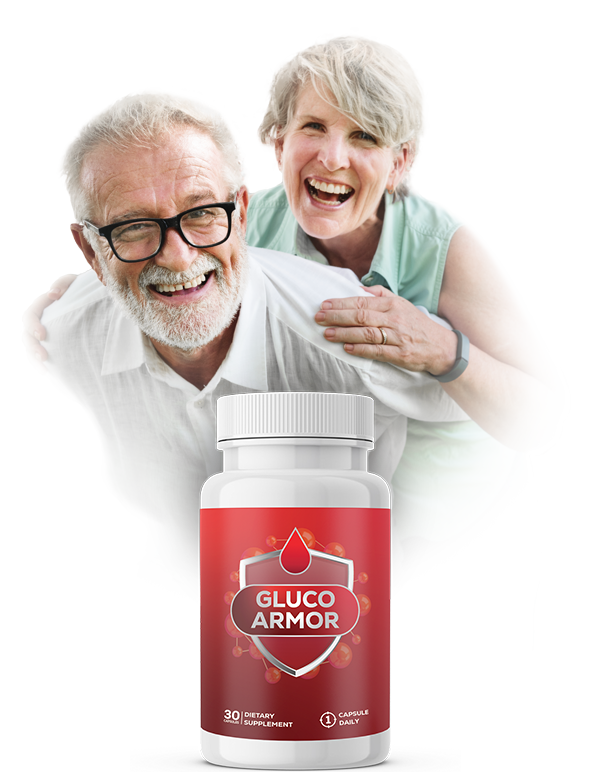
In our GlucoArmor review, the formula packs 17 named ingredients — vitamins, minerals, and seven glucose-relevant botanicals — into a two-capsule serving, and every single dose is undisclosed behind a proprietary blend. The vendor's own sales page names only six of the ingredients it claims to include; the full list had to be compiled from third-party sources. The ingredient selection is genuinely strong (berberine-adjacent botanicals, gymnema, ALA, cinnamon, chromium, and banaba all have published evidence), but with zero dose disclosure across 17 ingredients sharing a ~1,200–1,500 mg capsule budget, none of them can be verified to reach a clinically meaningful amount.
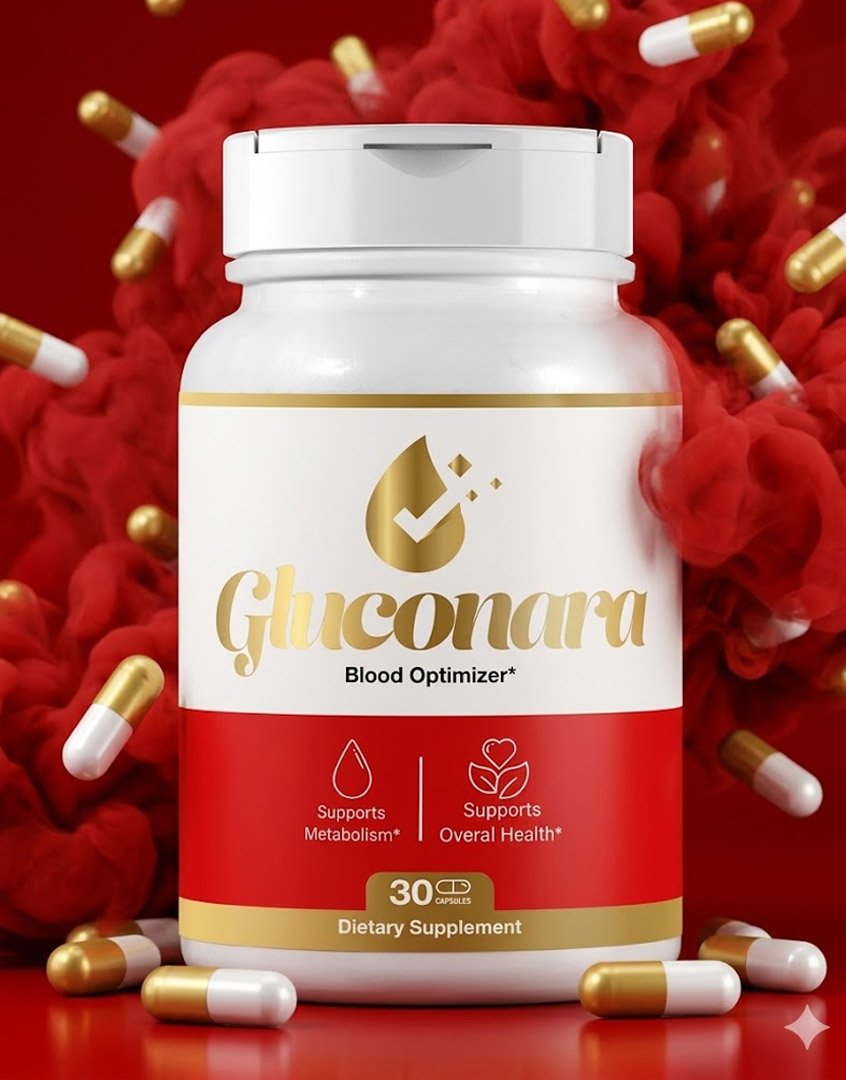
In Gluconara, eight ingredients (turmeric, cocoa, berberine, gymnema, cinnamon, bitter melon, and banaba) share a 528 mg proprietary blend — an average of about 66 mg per ingredient if split evenly, well under 15% of berberine's minimum studied dose. Only chromium picolinate is disclosed individually, at 100 mcg — half the 200 mcg threshold used in the trials that showed any effect.
Liquid Dropper Constraints
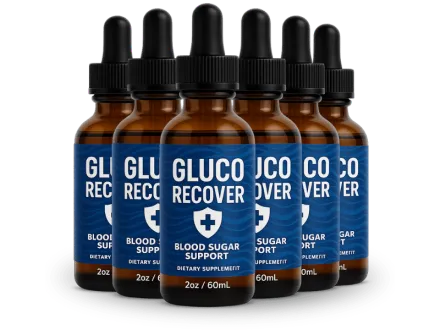
Gluco Recover uses a 1 mL liquid dropper format — unusual for this category, but it doesn't change the dose math. The label discloses 7 mcg of chromium picolinate, which is 96–99% below the >200 mcg range associated with glycemic improvement, and a 200 mg proprietary blend split among eight herbs (gymnema, coleus forskohlii, cayenne, ginseng, maca, green tea, astragalus, L-carnitine). Divided evenly, that's roughly 25 mg per herb — a fraction of the 400–1,000 mg/day gymnema needs on its own.
The pattern is consistent across all three products we've reviewed in this cluster: real, evidence-backed ingredient selection paired with a total blend size that makes clinically meaningful dosing of any single ingredient structurally impossible.
4. Red Flags, Deceptive Marketing, and Billing Traps
Watch for these patterns when evaluating a blood sugar support sales page:
1. "Reverse Diabetes Naturally" and "Natural Metformin" Claims
Berberine and metformin do share a mechanism (AMPK activation, reduced hepatic glucose output), but a retail supplement delivering an undisclosed micro-dose is not interchangeable with a precisely dosed pharmaceutical studied for over 60 years under physician supervision. Any product claiming to reverse or cure diabetes is making an illegal disease claim — no dietary supplement can do that.
2. Fabricated Pseudo-Scientific Terminology
During our Gluconara review, the vendor's sales page repeatedly used the term "pancreatic sludge" — a fabricated concept with no basis in medical literature, used to manufacture a problem the product then claims to solve.
3. Unverifiable Creator Credentials
GlucoArmor's sales page credits a creator, Daniel Roy, with no stated medical, nutrition, or scientific background. If a formulator's credentials aren't independently verifiable, treat any claim of clinical expertise behind the formula with skepticism.
4. Copy-Paste Errors That Reveal Template Reuse
Gluco Recover's sales page contains a section that abruptly references prostate health instead of blood sugar — a copy-paste artifact suggesting the same sales template is reused across unrelated products. That's a signal the copy was never written specifically for this formula.
5. Citations Named But Not Linked
Some vendor pages reference "12 clinical studies" or similar by count without linking to a single one. A real citation names the journal, the year, and ideally a PMID or DOI you can verify independently — the same standard this guide holds itself to.
6. Hidden Auto-Ship Subscriptions
Always confirm the purchase is a one-time payment before checkout. All three products in our current blood sugar support catalog sell through BuyGoods or MaxWeb with explicit one-time purchase terms and 60-to-90-day money-back guarantees — a minimum acceptable standard for this category.
5. The Buyer’s Decision Framework
Before purchasing any blood sugar support supplement, run it through this four-step check:
- Check Label Transparency: Does the Supplement Facts panel disclose the exact amount of every active ingredient? A proprietary blend with no per-ingredient breakdown means you cannot verify the dose — treat that as a disqualifying factor, not a minor inconvenience.
- Verify Dose Alignment: For each disclosed ingredient, compare the label amount to the clinical range in Section 2. If every disclosed dose sits at 5–15% of the studied range, the formula is decorative rather than functional.
- Evaluate the Delivery Format: A two-capsule or single-dropper serving has a hard ceiling on total payload. If the format cannot physically fit clinical doses of the ingredients listed, no amount of ingredient quality compensates.
- Confirm Buyer Protections: Look for a minimum 60-day money-back guarantee, explicit one-time purchase terms, and a reputable payment processor (BuyGoods and MaxWeb both offer standardized refund handling).
What We Found in Our Reviews
Across the three blood sugar support products we've reviewed to date, the pattern is consistent: the ingredient selection draws from real, published research (berberine, gymnema, cinnamon, chromium, ALA, banaba, and bitter melon all appear across the category), but every product hides most or all of its doses behind a proprietary blend sized too small to deliver a clinically meaningful amount of more than one or two ingredients at most. None of the three currently discloses a full, gram-level dose for its headline botanical. See the full breakdown and ranking in our Best Blood Sugar Support in 2026 guide.
For the underlying biochemistry — AMPK activation, alpha-glucosidase inhibition, and why the marketing consistently outruns the dose — read our companion explainer: How Do Blood Sugar Support Supplements Actually Work?. Browse every product we've evaluated in the Blood Sugar Support Category Hub.
Frequently Asked Questions
What is the single most important number to check on a blood sugar supplement label?
The individual milligram or microgram dose of each active ingredient. A long, impressive-looking ingredient list means nothing if the doses are sub-clinical or undisclosed. Compare each disclosed ingredient against the ranges in Section 2 above — berberine at 500–1,500 mg/day, gymnema at 400–1,000 mg/day, chromium at 200–1,000 mcg/day. If the label uses a proprietary blend that hides individual amounts, you cannot perform this comparison at all, which should itself count against the product.
Can a blood sugar supplement replace medication for diagnosed diabetes or prediabetes?
No. No dietary supplement is approved to diagnose, treat, cure, or prevent diabetes, and none of the ingredients covered in this guide have been studied as a replacement for prescribed glucose-lowering medication. Anyone diagnosed with diabetes or prediabetes should manage their condition under a physician's care; a supplement is, at best, a minor adjunct discussed with that physician, never a substitute.
Is it safe to combine a blood sugar supplement with metformin or another glucose-lowering medication?
Not without medical supervision. Berberine in particular inhibits CYP450 liver enzymes and can have additive glucose-lowering effects when combined with metformin or sulfonylureas, raising the risk of hypoglycemia. Anyone on prescription glucose-lowering medication should talk to their physician before adding any of the ingredients in this guide.
Why do some blood sugar products use a liquid dropper instead of capsules?
A liquid dropper format is uncommon in this category but doesn't change the underlying dose math. As shown with Gluco Recover, a 1 mL serving still has to fit its herbal blend into a small total volume — in that case 200 mg split across eight ingredients — so a liquid format is not a shortcut to higher doses. Judge it the same way you would a capsule: by whether the disclosed amounts reach the clinical range.
How long should I take a blood sugar supplement before expecting results?
The clinical trials behind these ingredients typically measured glycemic outcomes at 8–12 weeks of consistent daily use, and only at the doses listed in Section 2. Any sales page promising visible blood sugar changes in a few days is making a claim the evidence doesn't support. Realistic expectations for a correctly dosed product are modest improvements in fasting glucose or post-meal glucose over two to three months, evaluated alongside diet and physical activity — not instead of them.

Owen is a staff editor at NutrasInsights covering Energy & Vitality and Metabolic Health supplements. He checks label doses against the published research before any product earns a recommendation.